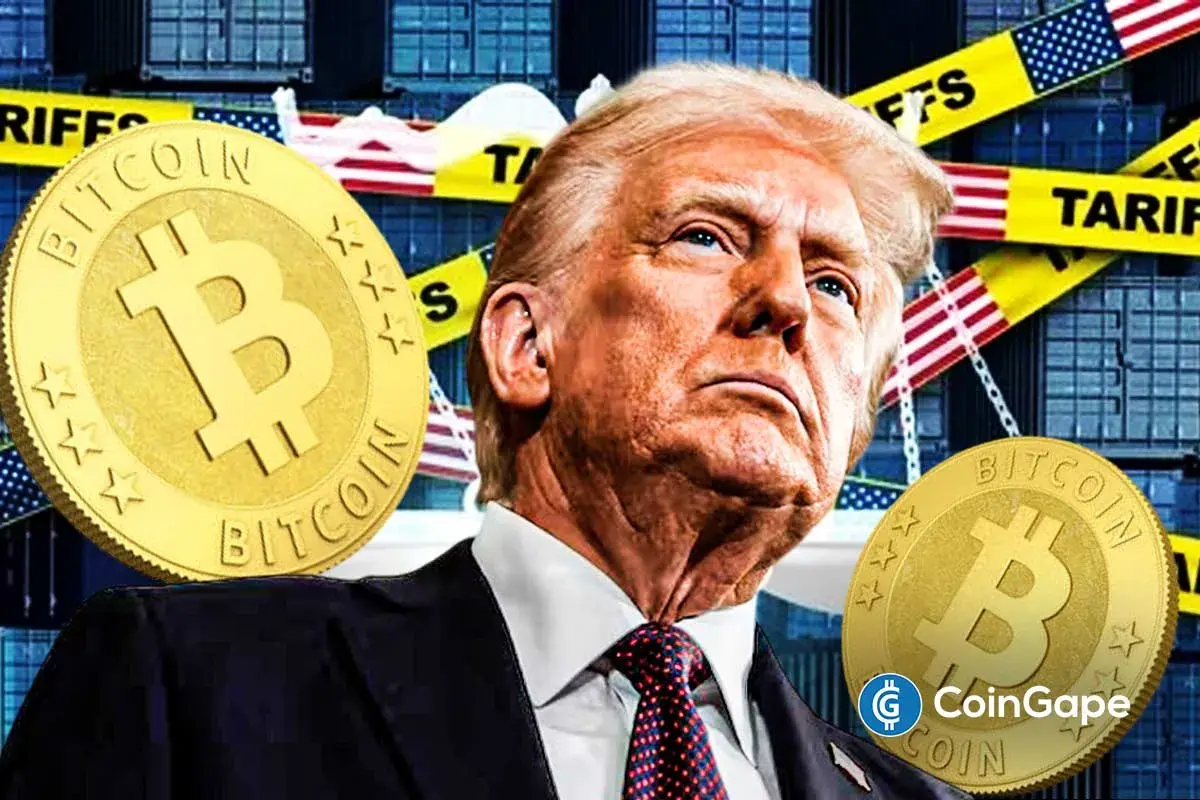
The United States is proposing new Section 301 tariffs on 14 trading partners, among them China and the European Union, following a months‑long investigation into alleged unfair trading practices.
According to a CNBC report, the proposals include a 20% levy on certain Chinese goods, with a possible increase if China does not comply with a trade truce reached last year. The tariffs would require a public hearing and a comment period before they could take effect, and officials say implementation is not expected before January 2027.
The proposals come as financial markets remain sensitive to several factors, including speculation about a Federal Reserve rate hike next month and ongoing concerns about inflation. The Fed’s preferred price index, the PCE, rose 3.8% year‑over‑year in October, above the central bank’s 2% target.
Political opposition is also anticipated. Democrats, who are expected to control Congress in January, have voiced criticism of the tariffs, arguing that they would increase costs for consumers.
Potential Impact on Crypto Assets
Crypto markets have previously reacted to tariff announcements. In April of the previous year, Bitcoin fell from around $88,000 to $74,000 after the announcement of reciprocal tariffs, before recovering later in the month. Analysts note that renewed tariff measures could again pose downside risk for Bitcoin and other digital assets, especially if a broader trade dispute escalates.