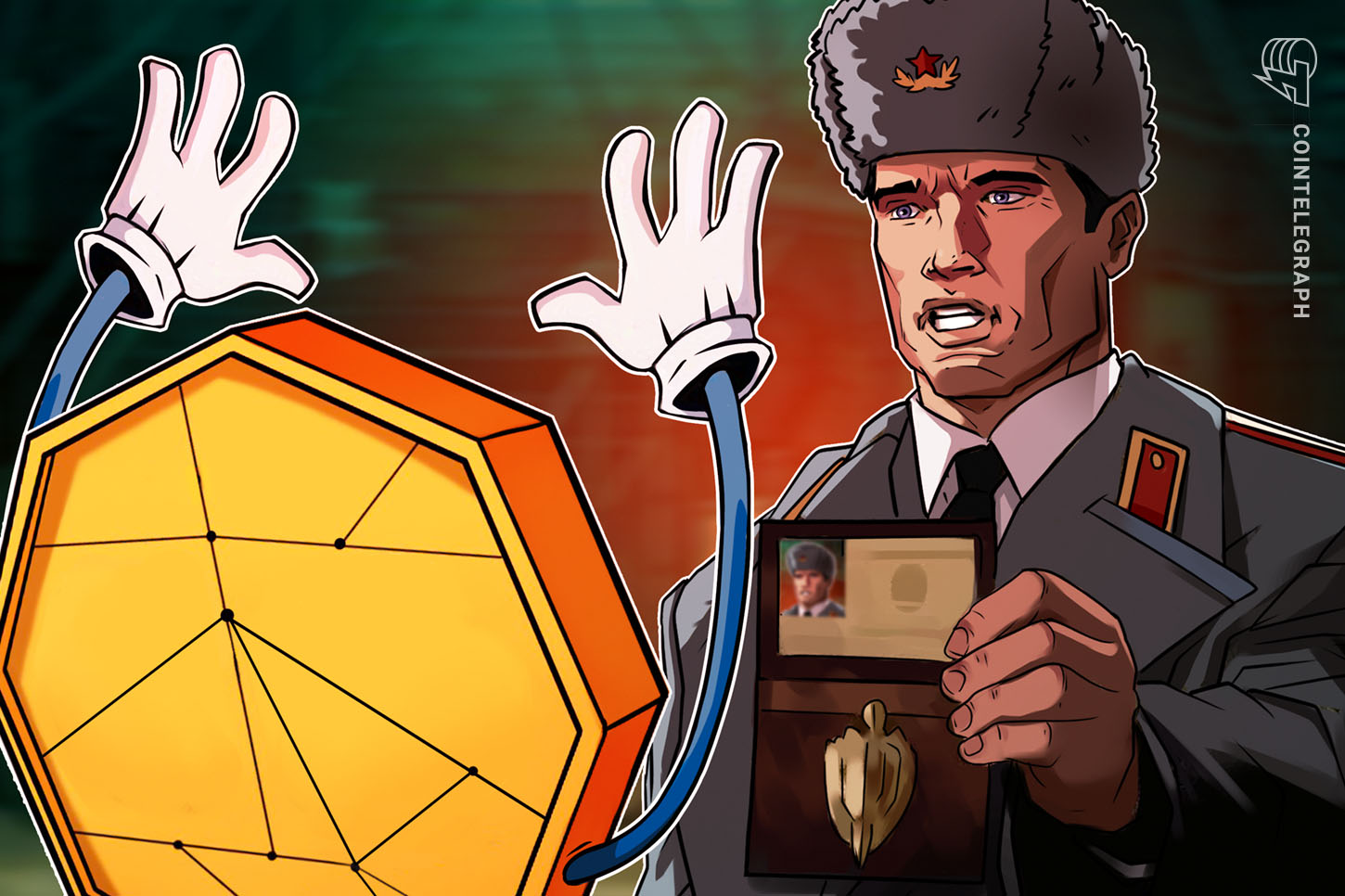
The UK Foreign, Commonwealth & Development Office announced Thursday that it has sanctioned three cryptocurrency exchanges and two payment platforms suspected of facilitating transactions for sanctioned Russian entities seeking to evade financial restrictions.
Three of the sanctioned service providers were linked to Kyrgyzstan, while two facilitated transactions with the Kremlin-backed A7 network. The UK Foreign Ministry stated that cutting off these platforms makes it harder for sanctioned entities to move and access funds.
According to the FCDO, the A7 financial network claimed to have moved more than $90 billion in the past year, representing nearly half of Russia's annual military expenditure.
Illicit Transaction Volumes
Blockchain analytics platform Chainalysis found that two of the sanctioned payment processors, Cryptomus and Heleket, received funds from thousands of illicit counterparties. The analysis showed transaction activity peaking at 900 entities within a single month in late 2025.
Chainalysis also determined that three other sanctioned platforms—the Kyrgyzstani TokenSpot exchange, Grinex, and Meer—collectively received over $308 million from the same HTX deposit address.
Related Sanctions Actions
In May, UK authorities added Huobi Global, the operator of crypto exchange HTX, to their sanctions package. HTX subsequently disputed the decision, arguing that the designation applies only to Huobi Global as a separate legal entity and that its online exchange and user funds remain unaffected.
Separately, blockchain analytics firm CertiK reported that the Russian ruble-backed A7A5 stablecoin processed $110 billion in cumulative onchain transactions through June, continuing to expand despite Western sanctions efforts.