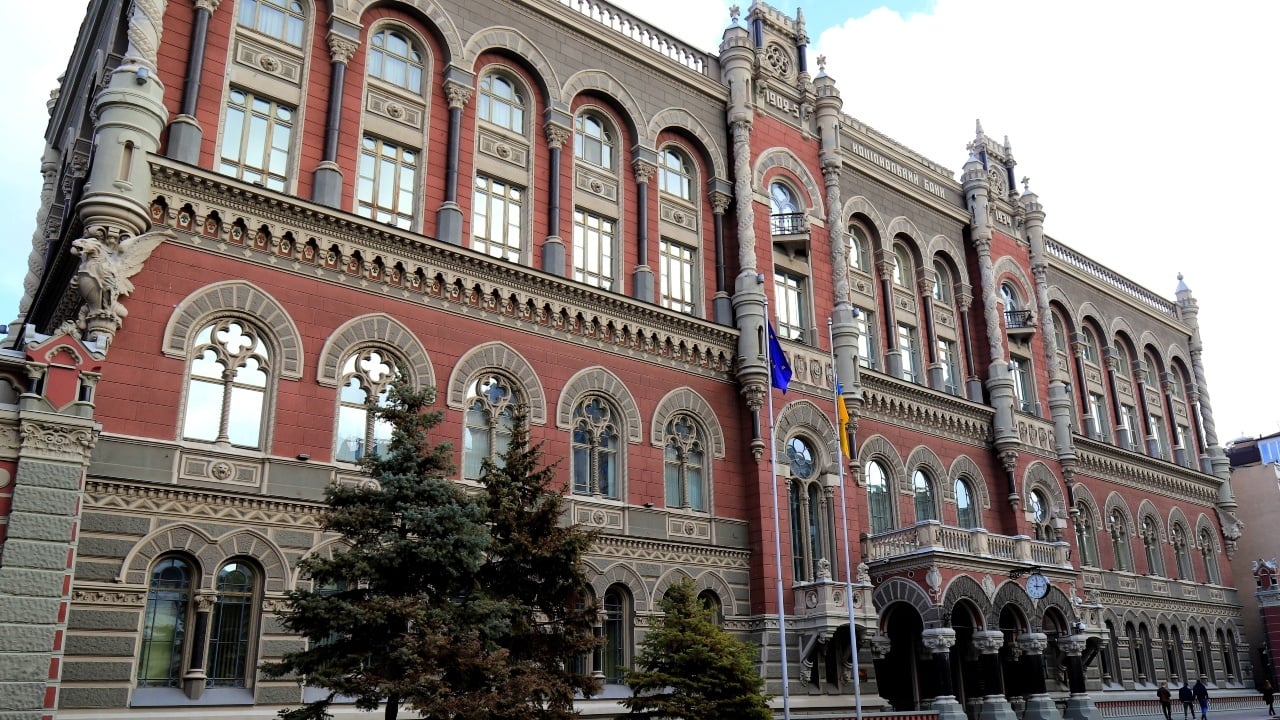
The National Bank of Ukraine (NBU) has rejected the current draft of legislation regulating virtual assets, citing risks to monetary sovereignty, financial stability, and fair competition. The central bank said it cannot support Draft Law No. 10225-d in its current form, according to a public statement.
Legislative Transparency Concerns
The NBU criticized the drafting process for lacking transparency. The central bank said it received the final text late on Nov. 4 and only then discovered that several compromises reached during working group discussions—involving lawmakers, the National Securities and Stock Market Commission (NSSMC), and other stakeholders—had been removed. NBU Deputy Governor Oleksiy Shaban raised these concerns during a committee meeting the following day, but the central bank said the meeting’s format did not allow for a comprehensive discussion. This reportedly prompted the regulator to issue a public warning.
Foreign Tokens and Financial Stability
The NBU warned that the draft would allow foreign tokens to enter the Ukrainian market without adequate regulatory oversight, potentially threatening monetary policy transmission and financial infrastructure stability. The central bank wants explicit authority to assess risks and restrict the circulation of foreign tokens in Ukraine, mirroring its existing mandate over domestic tokens. It also argued that simplified access for foreign virtual assets creates loopholes allowing issuers to bypass requirements imposed on domestic counterparts, potentially creating unsupervised market segments. The NBU called for rules governing foreign virtual assets that eliminate regulatory arbitrage and ensure consistent compliance standards to protect national financial security.
Market Monopolization Risks
The NBU initially favored allowing an unlimited number of compliant trading platforms but agreed to a temporary compromise restricting the initial phase to three operators selected through a competitive tender. However, the final draft leaves the number of permitted operators to the NSSMC’s discretion for the next five years without mandatory safeguards against anti-competitive practices. The central bank wants clear, transparent authorization rules written into law to reduce corruption risks and prevent market monopolization.
“Sustainable market development is only possible with clear rules, proper regulation, and effective risk control,” the NBU stated in its official conclusion. “The failure to incorporate the NBU’s key objections makes it impossible to support Draft Law No. 10225-d in its current form.”
The central bank called on lawmakers to return the draft legislation for further refinement in consultation with all relevant stakeholders. It reaffirmed its willingness to continue working toward a regulatory framework that supports an innovative cryptocurrency market without undermining public confidence in the hryvnia or compromising national economic security. The NBU reiterated its support for regulating Ukraine’s cryptocurrency market in alignment with the European Union’s Markets in Crypto-Assets (MiCA) framework.