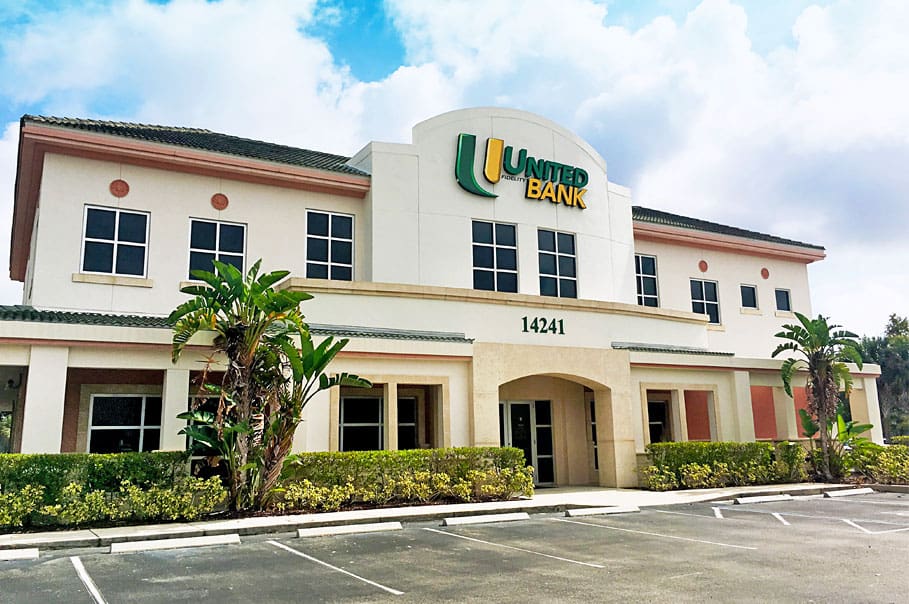
United States regulators have closed United Fidelity Bank, determining that the lender was operating in an unsafe condition and could become unable to meet its obligations or depositors' demands.
The closure marks the largest US bank failure since Republic First Bank's collapse in April 2024. United Fidelity held approximately $5.9 billion in assets and $5.4 billion in deposits as of September 30. The failure is expected to cost the FDIC's Deposit Insurance Fund just over $1.8 billion.
Asset Acquisition and Customer Transition
First Citizens won a competitive auction to acquire substantially all of the failed bank's assets and deposits. The transaction includes approximately $3.1 billion in loans and $4.5 billion in deposits. First Citizens received an estimated $2.6 billion discount on the assets and paid no deposit premium.
Depositors will transition to First Citizens automatically and can continue using existing checks, ATMs, and debit cards while retaining deposit-insurance coverage. United Fidelity's 22 branches across Indiana, Illinois, Florida, Colorado, and the US Virgin Islands are reopening under First Citizens.
Regulatory History
Three years prior to its closure, the Office of the Comptroller of the Currency placed United Fidelity under a consent order after identifying unsafe or unsound practices. These included issues involving corporate governance, capital planning, credit underwriting, liquidity management, concentration risk, and interest-rate risk.
Bank Failure Context
United Fidelity is the seventh US bank to fail in 2026, though the previous six were substantially smaller. It remains the largest collapse since Republic First Bank, which held roughly $6 billion in assets before Fulton Bank acquired its deposits and assets in 2024.
First Citizens, which is now acquiring United Fidelity, also acquired Silicon Valley Bank's deposits and loans in 2023 following SVB's $209 billion asset failure.