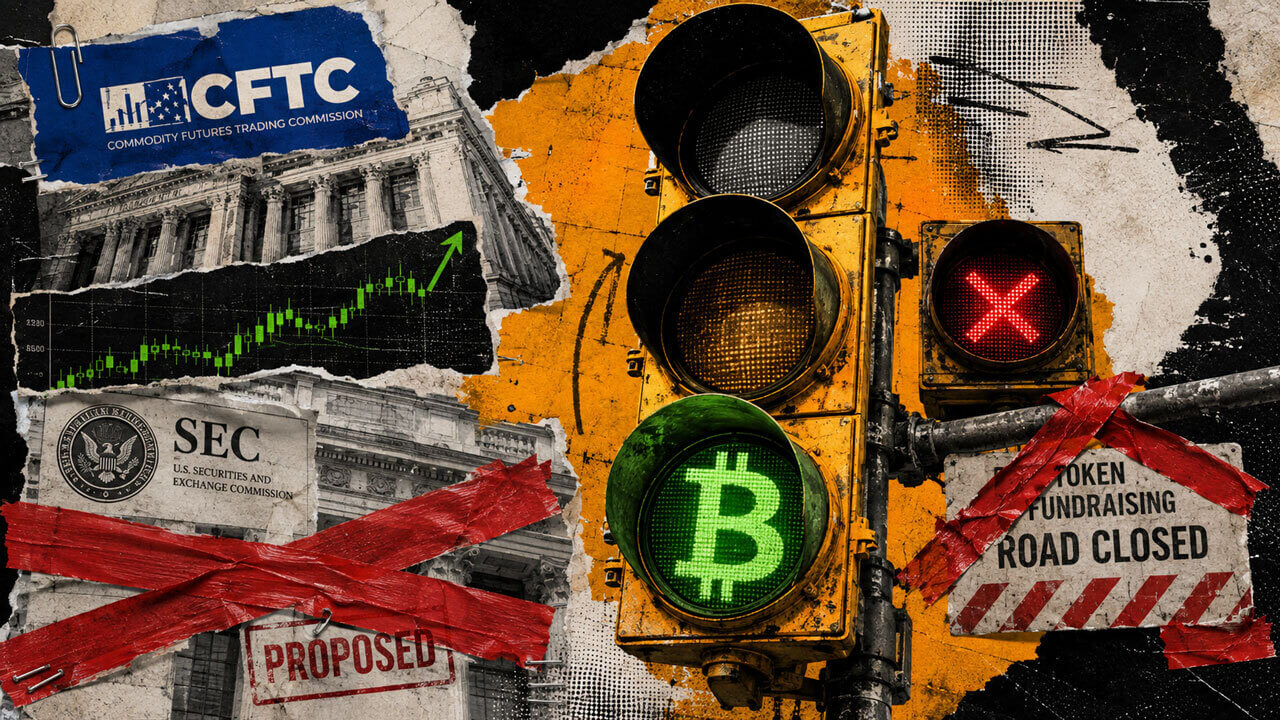
Regulatory approvals for the American cryptocurrency market have progressed out of sequence, allowing regulated institutions to trade derivatives while rules enabling founders to finance new token projects remain under review. On May 29, the Commodity Futures Trading Commission (CFTC) approved a Bitcoin perpetual contract for a regulated US exchange, with Bitnomial and Kalshi offering live products. Meanwhile, the Securities and Exchange Commission (SEC) proposed a legal framework for crypto project fundraising on Aug. 18, which still requires public comments and a final vote.
The discrepancy means that regulated institutions have a clearer path to trade crypto derivatives in the United States than founders have to legally raise capital for the underlying tokens. Standard futures contracts carry specific expiration dates, whereas perpetual contracts have no expiry, relying instead on periodic funding payments to track the underlying market. The CFTC's framework allows designated contract markets to list perpetuals under existing review procedures, such as Kalshi's BTCPERP contract offering up to six times leverage.
In contrast, the SEC's proposed Regulation Crypto Assets remains in a public comment period running through Oct. 20. The proposal outlines provisions including a $5 million startup exemption, public tiers up to $75 million, and a safe harbor for tokens to separate from initial investment contracts. However, no issuer can use the framework until it is finalized.
Congress is pursuing a separate legislative schedule through the CLARITY Act, which advanced out of the Senate Banking Committee in May to define statutory authority boundaries between the SEC and CFTC. As a result of these divergent timelines, sophisticated trading capabilities and derivatives volume can expand domestically, while project creators continue to rely on conventional exemptions, private financing, or offshore structures.