The Trump administration announced a set of Pacific anti-crime initiatives that includes $5 million to train regional officers in cryptocurrency investigations, part of a broader U.S. effort to disrupt organized criminal networks operating across the Pacific.
The funding is for the Pacific Alliance for Combating Illicit Finance and Cybercrime, known as PACIFIC. Under the program, U.S. federal agencies will train officers in cryptocurrency tracing, beneficial-ownership investigations and digital forensics. The initiative also aims to help Pacific governments update anti-money laundering and cybercrime laws in line with Financial Action Task Force and Budapest Convention standards.
Broader regional package
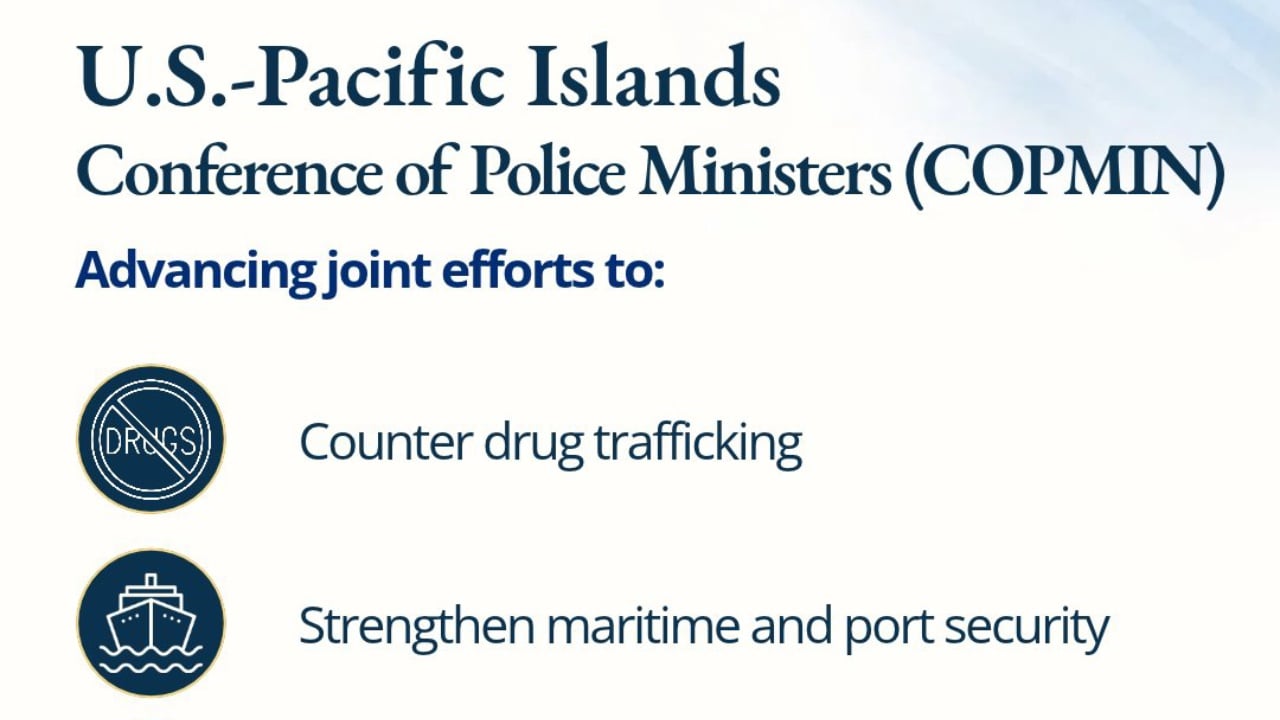
The crypto training allocation sits within a larger U.S. commitment. The State Department said more than $44 million was allocated to launch a cross-regional response to criminal networks, including efforts to secure the maritime Pacific domain, strengthen partnerships and disrupt criminal money flows. Nearly $18.2 million of that total is intended to improve Pacific nations' preparedness and their ability to detect and thwart financial flows supporting narcotics groups in the region.
The State Department described the networks threatening Pacific communities as operating like a single criminal enterprise, with each link depending on the others. It said breaking that chain requires action at every link, beginning where drugs and precursor chemicals enter legitimate trade.
Policy context
The announcement follows a broader U.S. focus on cartels and criminal organizations, including Mexico's Sinaloa cartel, over their use of digital assets to launder proceeds from illegal drug sales. The State Department said PACIFIC is meant to protect the trusted digital economy that U.S. cloud and telecommunications programs are helping build across the region.