Thirty-nine banking associations in the United States have jointly formed the BankChain Alliance to address concerns over client and capital flight into blockchain-based stablecoins. Initiated by the Texas Banking Association, the consortium represents thousands of community and mid-sized commercial banks aiming to develop a 24/7, nationwide, bank-governed and permissioned blockchain by 2027.
The proposed network is designed to feature the security and compliance of traditional banking while enabling near-instant settlement of digital assets for the fintech sector. The alliance has selected Kathy Kraninger, a former Director of the Consumer Financial Protection Bureau, as interim chair to help navigate the evolving regulatory environment.
Key Features of the Proposed Network
- Tokenized Deposits: Allows clients to convert standard bank deposits into digital tokens on a shared ledger, unlocking instant liquidity and transactions without requiring funds to be withdrawn from the bank.
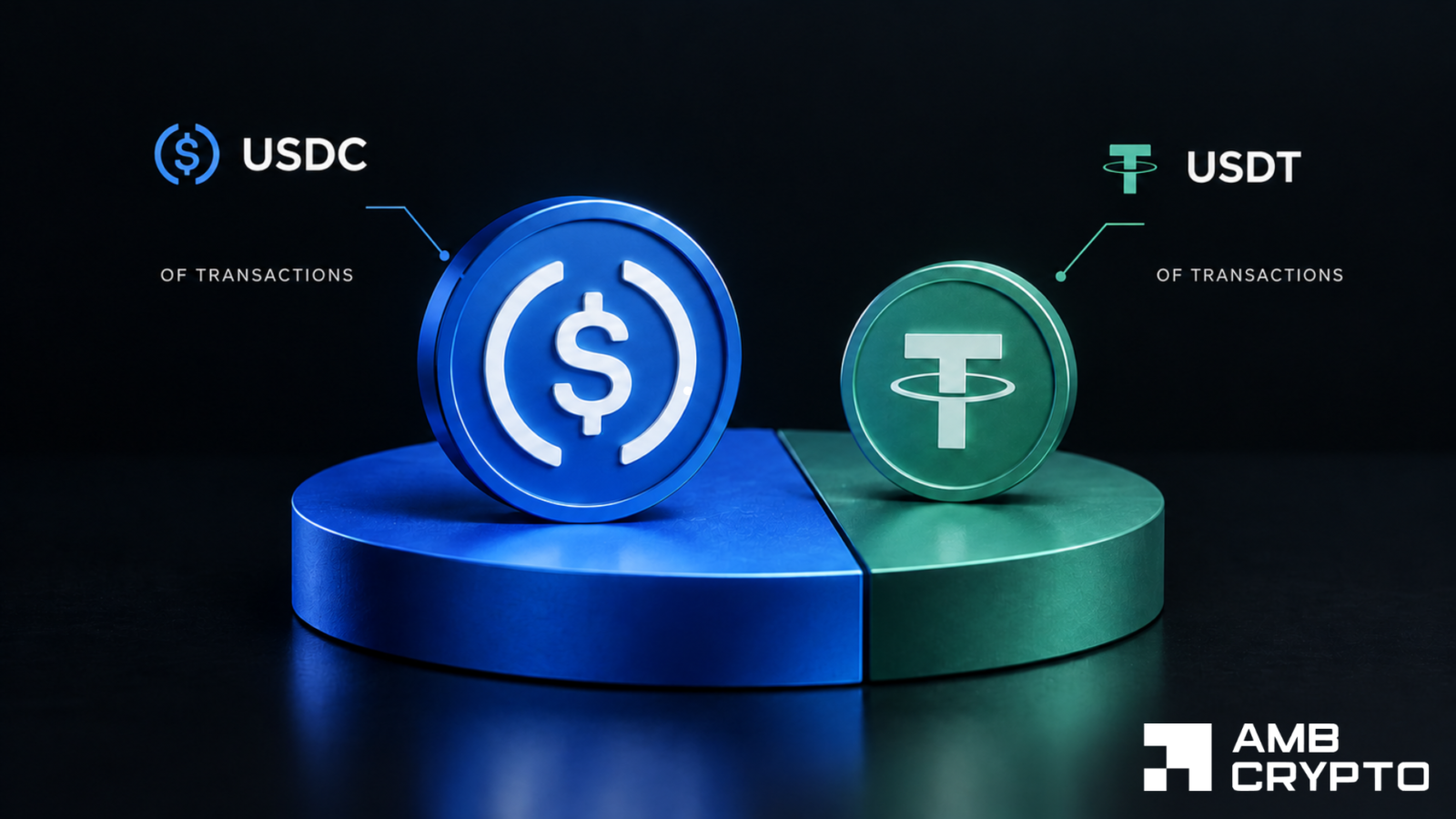
- Native Stablecoins: Plans to issue FDIC-compliant and fully backed stablecoins to provide clients with a regulated alternative to private alternatives like USDT and USDC.
- Smart Contracts: Embeds smart contracts for automatic settlements upon fulfilling predefined conditions, with applications such as escrow releases and supply chain financial management.
The consortium is currently seeking a technology partner to build the network. The initiative coincides with a political standoff in Washington regarding the CLARITY Act, with banks working to provide compliant blockchain systems while the legislation faces stalling.