US employers added 165,000 jobs in October, exceeding economists' forecast of 65,000, the Bureau of Labor Statistics reported. The surprise increase raised market-implied odds of a December Federal Reserve rate hike to 78% from 70%, according to Reuters.
The unemployment rate declined to 4.1% from September's 4.2%. The BLS also revised August and September payrolls upward by a combined 84,000 jobs.
Revisions Reveal Stronger Hiring Momentum
August payroll growth was revised to 186,000 from 133,000, while September's gain increased to 60,000 from 29,000. The BLS said the revisions reflect new employer reports and recalculated seasonal factors. Together, the changes challenge the impression of a sharply weakening labor market.
October's gain exceeded the previous 12-month average of 48,000 jobs. Professional and business services added 70,000 positions, health care added 42,000, and transportation and warehousing gained 25,000 jobs.
The household survey recorded 421,000 additional people in the labor force. Participation reached 61.9%, while the number of unemployed people changed little at approximately 7.1 million.
Still, the report contained signs of pressure beneath the headline. Employment among people working part-time for economic reasons rose by 339,000 to 4.8 million. These workers wanted full-time positions but could not secure them or faced reduced hours.
Average hourly earnings rose 0.4% from September to $38.00, exceeding the 0.3% consensus forecast. Annual wage growth reached 3.1%, versus expectations of 2.9%, according to Wu Blockchain. The Associated Press called the monthly increase the largest since January. However, annual hourly pay growth still trailed inflation, leaving household purchasing power under pressure.
Fed Rate Bets Reshape the Market Outlook
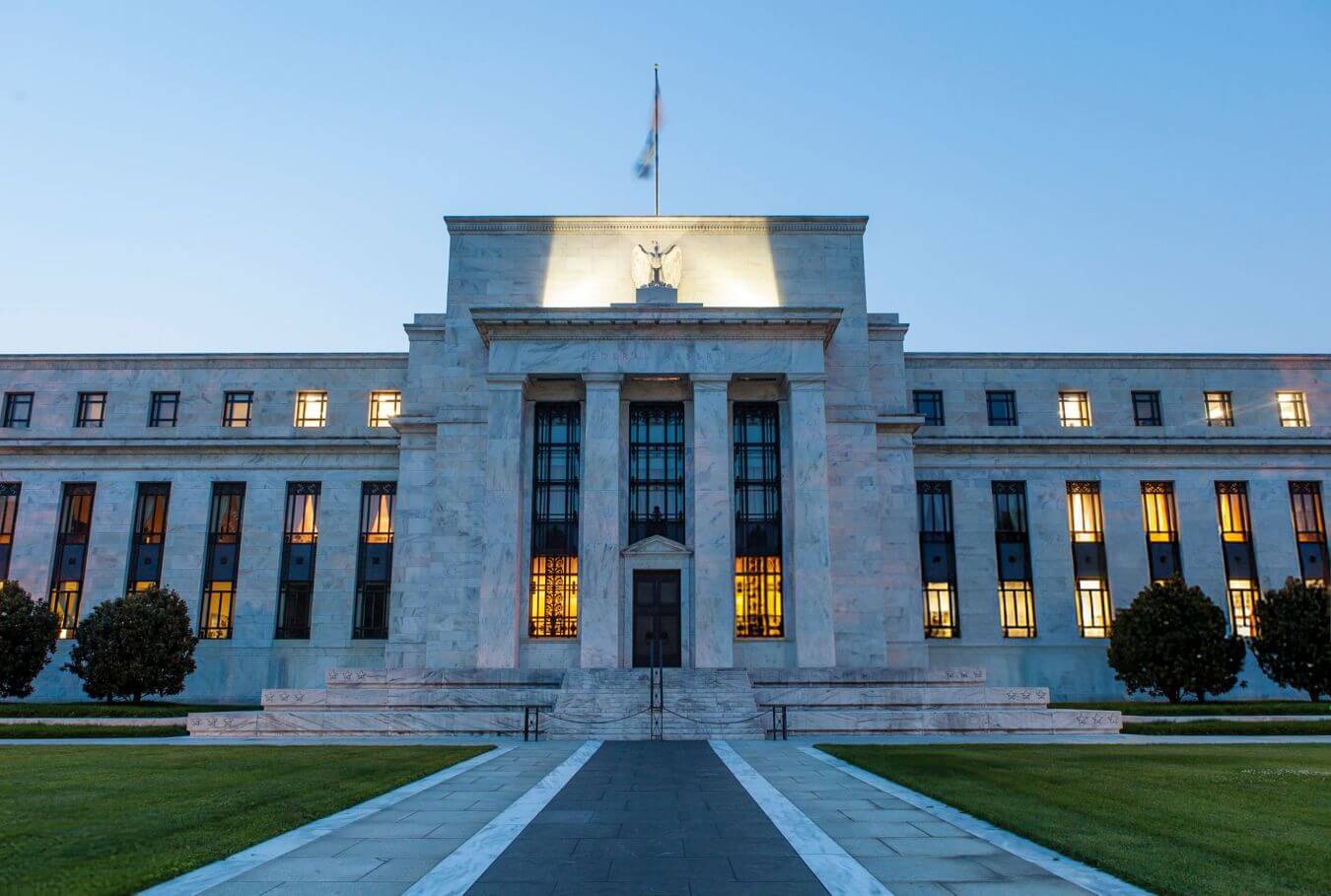
The Federal Reserve held its benchmark rate at 3.75%–4.00% on October 28. Two policymakers preferred a quarter-point increase. The central bank also warned that inflation remained elevated.
After the employment release, the two-year Treasury yield rose five basis points to 4.52%, Reuters reported. The dollar index gained 0.7% to 102.18. Those moves reflected a reassessment of near-term monetary policy.
For cryptocurrency investors, higher expected rates can raise financing costs and weigh on appetite for speculative assets. However, this report does not establish Bitcoin's immediate price direction.
Investors will receive October consumer inflation data on November 10. The next employment report follows on December 4, ahead of the Federal Reserve's December 8–9 meeting. The upcoming releases will test whether stronger hiring coincides with persistent price pressures. No December rate increase has been announced, and market-implied probabilities are not Federal Reserve decisions.