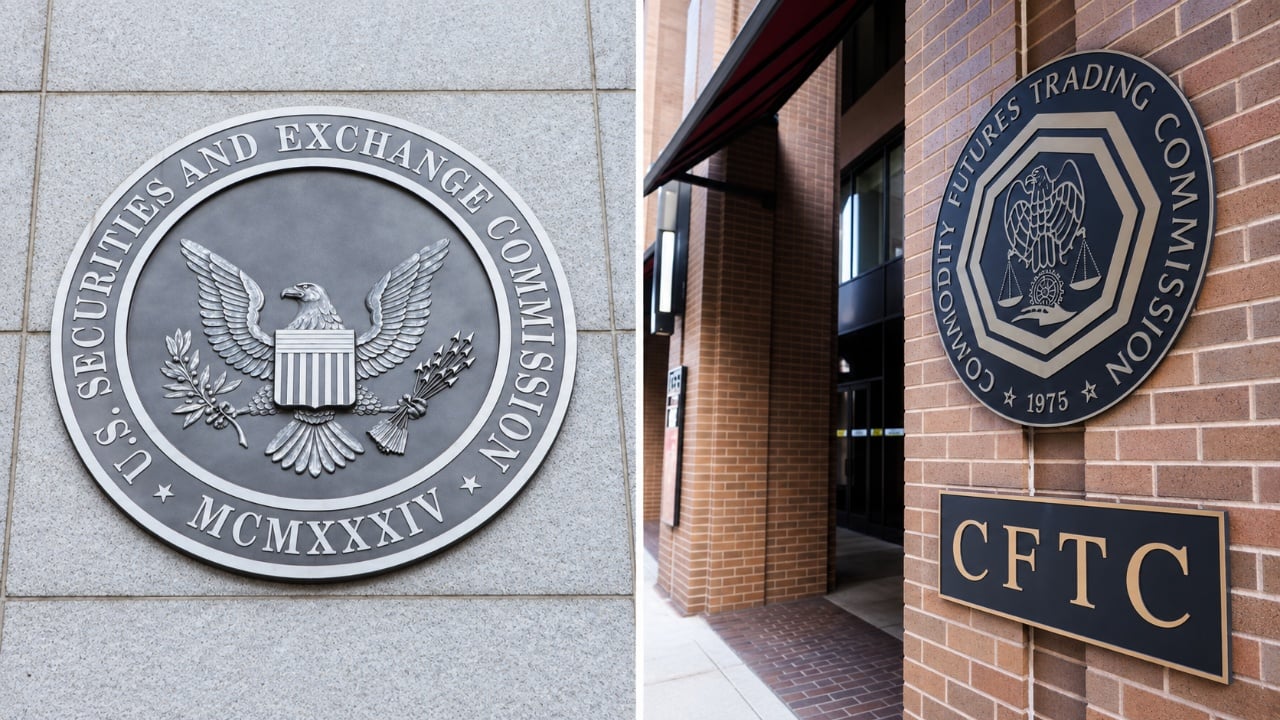
The U.S. Commodity Futures Trading Commission and Securities and Exchange Commission are advancing separate but complementary regulatory frameworks to govern cryptocurrency trading and asset safekeeping, signaling a coordinated federal approach to digital asset oversight.
The CFTC opened consultation on October 5 on a national framework for retail crypto commodity transactions, with Chairman Michael S. Selig describing the effort as a federal option for crypto asset exchanges. The proposed framework would create a specialized registration category for exchanges offering retail trades involving leverage, margin, or financing arrangements. Selig clarified that requiring all crypto exchanges to register federally would require congressional action.
The regulatory framework would establish customer protections including proof of reserves—demonstrating assets held for pooled customer property—and requirements for registered intermediaries to maintain segregated customer accounts under disclosure and capital rules. The CFTC also proposes clarifying that transferring cryptocurrencies to an external noncustodial wallet within 28 days generally satisfies an exception to registered-exchange trading requirements.
SEC Chairman Paul S. Atkins signaled additional regulatory proposals in an October 1 statement, arguing that outdated requirements should not force blockchain-based markets offshore. The SEC is advancing custody changes that would permit self-custody in certain circumstances and allow state trust companies as custodians for registered investment advisers and regulated funds.
The SEC previously provided temporary relief through the September 17 Innovation Exemption for qualifying trading venues and liquidity providers handling tokenized stocks—shares represented on a blockchain. Federal anti-fraud and anti-manipulation provisions remain applicable to these offerings.
The agencies invited public comment through the Federal Register, with submissions due within 60 days of publication.