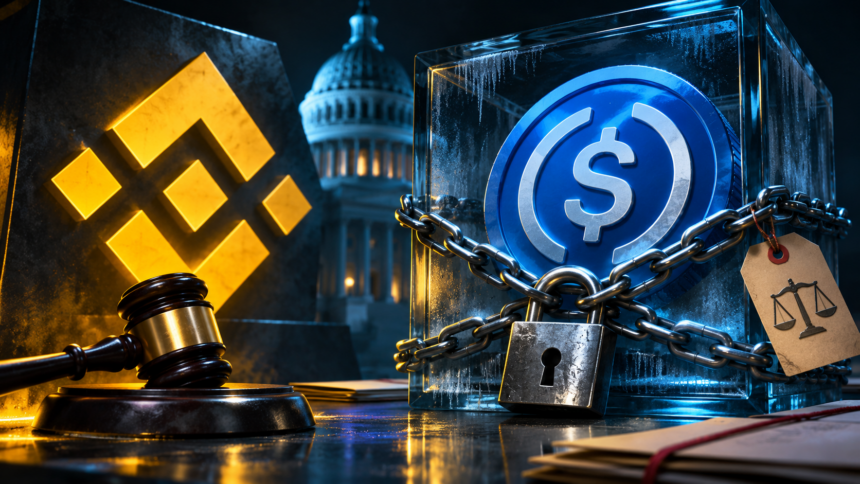
US authorities filed a civil forfeiture complaint on November 23 in the District Court for the District of Columbia seeking more than $1.1 billion in USDC linked to the October 29 Binance hack. The assets are spread across 36 cryptocurrency addresses on 18 blockchains.
Federal investigators attribute the October 29 attack to North Korean hacking groups, including the Lazarus Group. The original theft was valued at approximately $6 billion.
Freezing vs. Recovering
The government obtained a temporary restraining order on November 12, with both Binance and Circle consenting to the restriction. However, freezing stolen assets differs from returning them to their owners.
Civil forfeiture proceedings target property believed connected to criminal activity. The process involves three stages: restricting access to assets, obtaining legal authority over them, and determining final distribution. The November 23 filings advance the second stage but do not establish that the third has been completed.
Prosecutors are seeking forfeiture of the assets to the United States, which is not the same as a court ordering their immediate return to Binance.
Circle's Technical Limitations
Circle, the USDC stablecoin issuer, can restrict transfers from particular blockchain addresses but lacks the technical ability to move the tokens directly. According to the complaint, Circle does not have direct control over the wallets holding the frozen USDC.
Instead, Circle proposed issuing an equivalent amount of replacement USDC and transferring those tokens to US authorities upon receiving a forfeiture order. This arrangement raises questions about how the original frozen tokens will be treated in Circle's reserve and supply reporting.
Cross-Border Complications
An Abu Dhabi court also directed cryptocurrency companies, including Circle, to preserve digital assets associated with the Binance theft on November 18. The involvement of authorities in both the United States and the United Arab Emirates means the final disposition of the funds will require coordination across multiple jurisdictions.
Stablecoin Centralization in Focus
The case highlights the tension surrounding centralized stablecoin control. Critics of decentralized finance have long opposed the ability of issuers to freeze tokens, yet Circle's freezing authority helped preserve a large amount of cryptocurrency for potential recovery.
Transparency will be essential as the case proceeds. Token holders should understand why assets were frozen, under what legal authority restrictions remain in place, and how ownership disputes are resolved.
Until a court ruling and final distribution occur, the $1.1 billion should be understood as assets subject to an ongoing recovery effort rather than funds already returned to Binance.