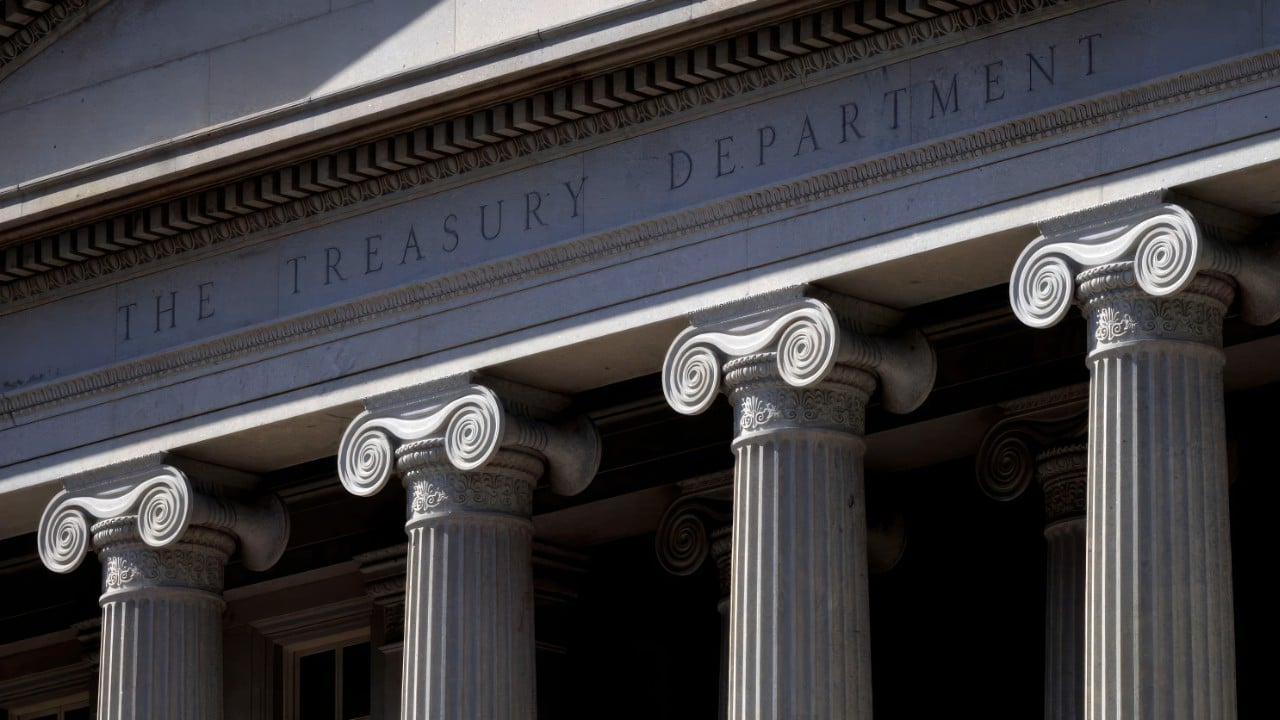
The U.S. Treasury Department is expanding its banking sanctions campaign against Iran-linked financial activity. Treasury Secretary Scott Bessent announced that the U.S. plans to sanction another bank this week as part of Operation Economic Outcast, extending pressure on foreign financial institutions that process Iranian transactions.
The campaign leverages the central role of U.S. correspondent banking in international payments. Foreign banks typically maintain accounts with American institutions to settle dollar-denominated transactions, giving U.S. authorities leverage over financial activity conducted globally. Losing access to these accounts can severely restrict a bank's ability to serve customers involved in international trade.
Targeting Indirect Access to Dollar System
The Treasury's strategy covers financial channels associated with Iranian oil sales, sanctions evasion, weapons procurement, cyber operations, and support for regional proxy groups. The campaign extends beyond institutions with direct Iranian ties to intermediaries, service providers, and companies that facilitate transactions across multiple jurisdictions.
On August 28, the Treasury proposed sanctions targeting Banque Misr UAE, demonstrating how the strategy operates. According to Treasury's assessment, the UAE branches processed approximately $1.8 billion between January 2024 and June 2026 for 103 companies potentially connected to Iranian shadow banking networks. Treasury alleged that customers included front companies used by Iran's Ministry of Defense and the Islamic Revolutionary Guard Corps to evade sanctions and launder money.
The Financial Crimes Enforcement Network's notice of proposed rulemaking would prohibit U.S. financial institutions from opening or maintaining correspondent accounts for Banque Misr UAE and require them to prevent foreign correspondent accounts from processing transactions involving the targeted branches.
Expanding Beyond Traditional Banking
Operation Economic Outcast combines banking restrictions with sanctions targeting oil brokers, shipping companies, technology suppliers, and digital asset networks. The Treasury has identified a crypto and oil-payment network that allegedly processed more than $100 million in cryptocurrency for oil sales supporting Iran's military and affiliated groups.
The Treasury has already targeted digital wallets, exchanges, and intermediaries accused of helping Iran bypass conventional financial restrictions. In May, Treasury Secretary Bessent stated that the government had seized approximately $1 billion in Iran-linked cryptocurrency, demonstrating that the financial pressure strategy covers both traditional assets and blockchain-based transfers.
FinCEN's proposal remains subject to public comment before finalization. The notice appeared in the Federal Register on September 1, with written comments due by October 1.