Crypto cards are converting stablecoins into everyday spending balances. Research from Cryptorank shows that cumulative stablecoin card top‑up volume reached $13.8 billion by August 2026, an increase of nearly $10 billion over the previous 12 months.
Stablecoins Move Into Consumer Payments
Historically, stablecoins have been used mainly for exchange settlement, trading and cross‑border transfers. Card programs now link those balances directly to merchant purchases, allowing payments that start in USDC or USDT and end as conventional card transactions.
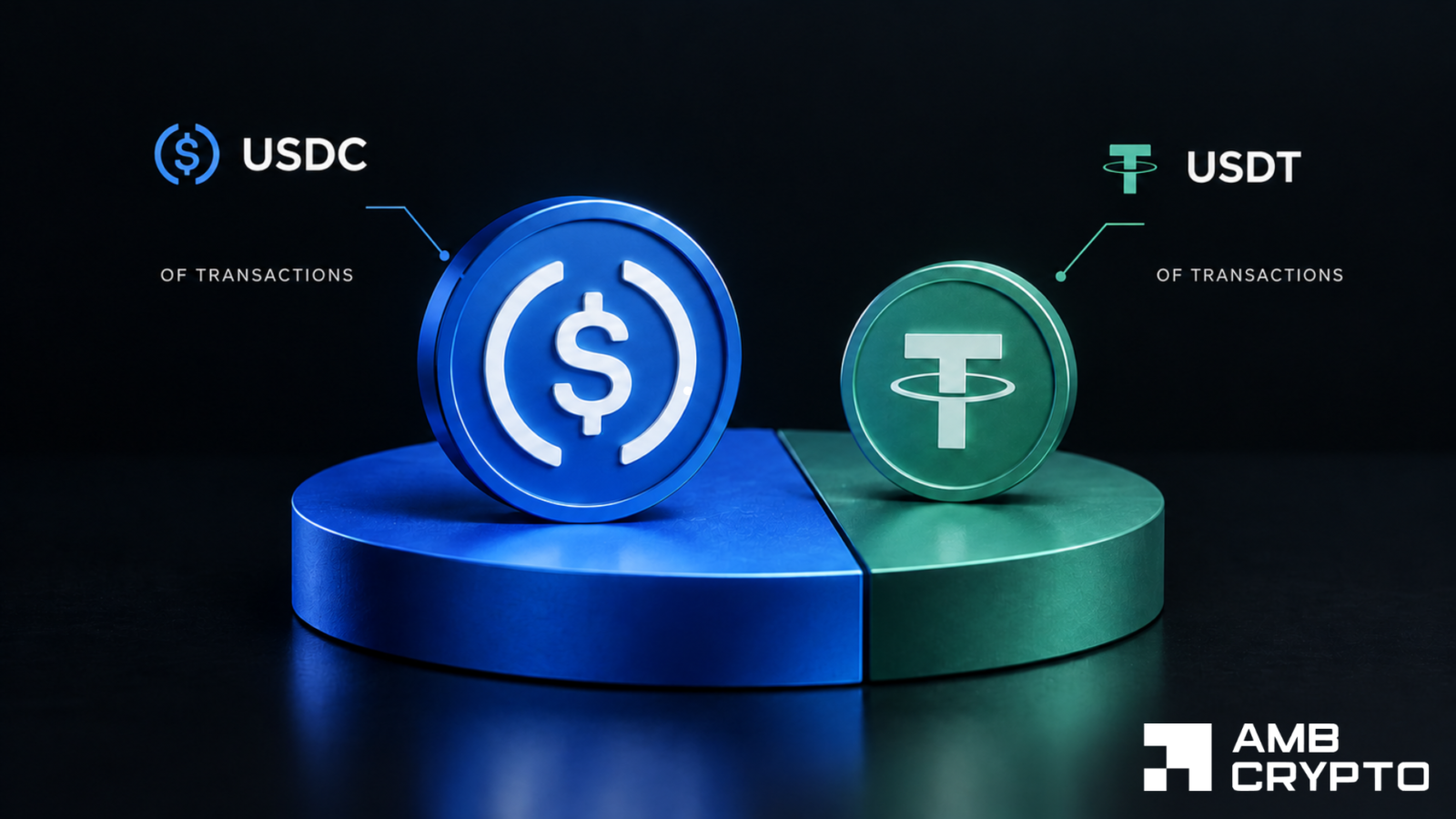
USDC currently leads tracked card spending, while USDT is gaining share. This contrasts with the broader stablecoin market, where USDT remains dominant by total supply.
Multi‑Chain Settlement
Cryptorank data indicates that the Base network accounts for about $1.2 billion of stablecoin card spending, followed by Solana ($635 million), Polygon ($544 million) and Optimism ($509 million). Other networks such as Arbitrum, Scroll, Ethereum and Stellar also process notable volumes.
Reliance on Traditional Payment Infrastructure
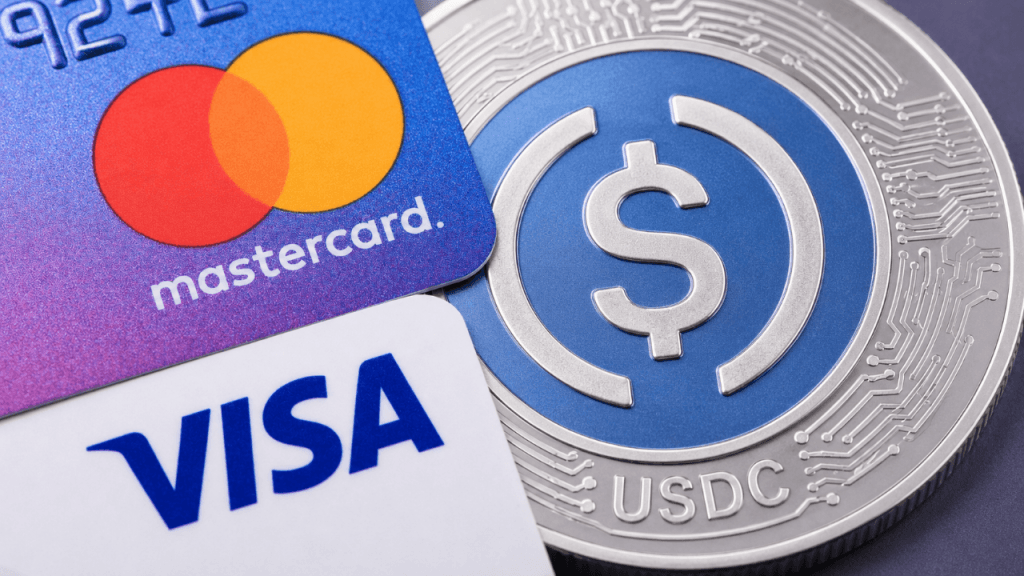
Despite their blockchain origins, most crypto cards still depend on established payment rails, including processors, regulated issuers, identity verification and Visa or Mastercard networks to complete transactions.
Competition among card providers is shifting toward factors such as custody solutions, foreign‑exchange costs, rewards and capital efficiency. Some cards now allow users to borrow stablecoins against crypto holdings, blurring the line between payment and credit products.
Future Outlook
The next challenge will be sustaining growth as cashback subsidies diminish. Continued expansion without aggressive rewards would demonstrate that stablecoins can serve as practical consumer money while merchants retain existing payment infrastructure.