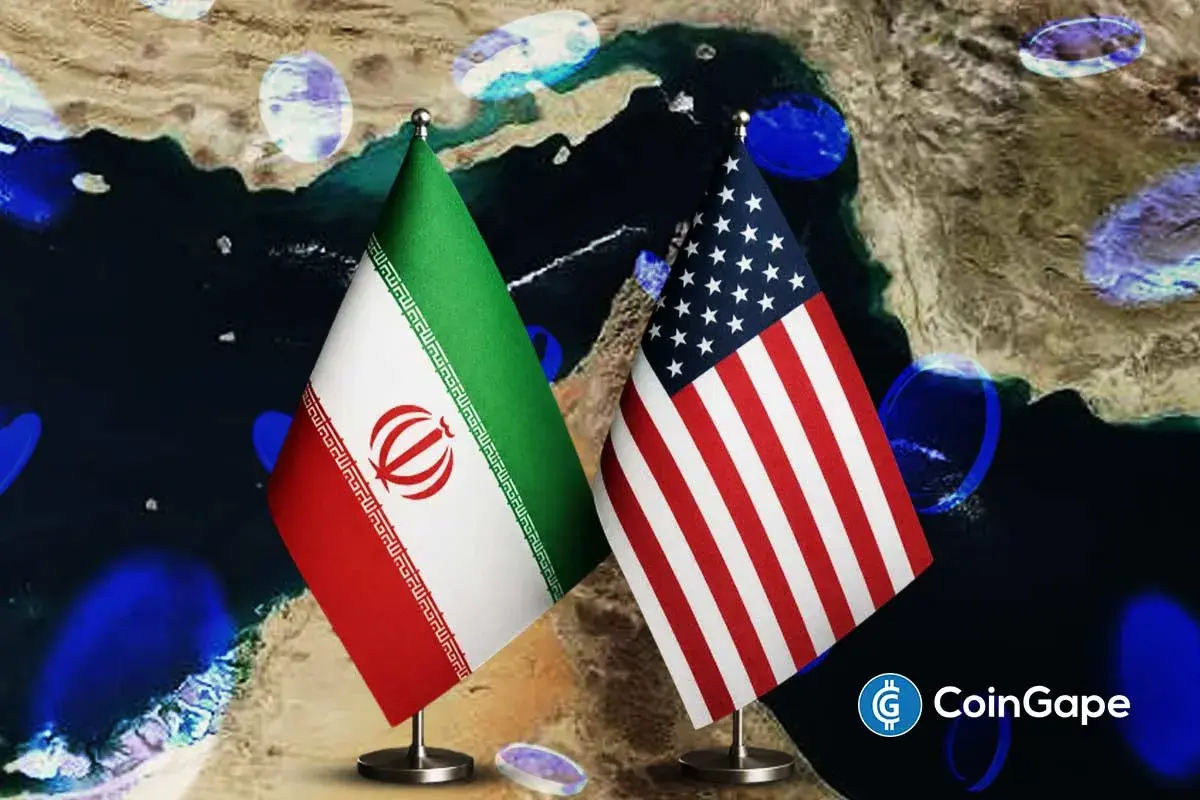
Vice President JD Vance has reportedly sent a letter to Iranian hard-liner Mohsen Rezaei, secretary of Iran's Supreme National Security Council, in an attempt to revive nuclear negotiations. The move, first reported by the Wall Street Journal, comes days before President Trump's self-imposed post-midterm deadline on potential military action.
Rezaei, a longtime commander of the Islamic Revolutionary Guard Corps (IRGC), is considered one of the hardest-line figures close to Supreme Leader Mojtaba Khamenei. The letter does not propose a finished peace deal but rather outlines a negotiation framework that insists the nuclear file must be included to prevent renewed U.S. strikes after the November 3 midterms.
Trump has publicly kept the military option open while previously ruling out action before the midterms. Neither the White House nor Vance's office has officially confirmed the letter. When asked about the outreach, Trump reframed it around medical supplies rather than diplomacy.
This dual approach—private engagement combined with public military posturing—mirrors the administration's broader strategy toward Iran since Vance moved to hold U.S.-Iran talks in Switzerland, a development that briefly pushed Bitcoin to $64,000.
On the Iranian side, Rezaei has recently warned of potential strikes on Gulf digital infrastructure, including undersea cables and data centers, if hostilities resume. Iran's Foreign Minister has confirmed a 7-day plan to end the war and reopen the Strait of Hormuz, though the proposal has not advanced beyond the offer stage. Russia's foreign minister has separately visited Tehran to explore diplomatic channels.
Market Implications
Financial markets have begun treating each development in Iran diplomacy as a live risk event. Oil prices are particularly sensitive to signals affecting the Strait of Hormuz, through which approximately 20 percent of global crude flows. A credible de-escalation could ease supply-risk premiums, while a breakdown or confirmed strike order could push oil higher and trigger a broader risk-off move in cryptocurrency markets.
Bitcoin, as a 24/7 liquid risk barometer, has tended to front-run these geopolitical moves. A near-term U.S.-Iran deal could potentially clear the path for Bitcoin to reach higher levels, according to analyst commentary.
The U.S. Treasury has targeted over $1 billion in crypto assets as part of its Iran economic crackdown. Tether has reported that wallet freezes cut Iran-linked stablecoin volumes by 94 percent since 2023. Any diplomatic breakthrough could influence how aggressively these enforcement tools continue to be deployed.
Key signals to watch include any Iranian confirmation of the letter, Hormuz shipping data, and Bitcoin's market reaction around the midterm results as early indicators of the diplomatic trajectory.