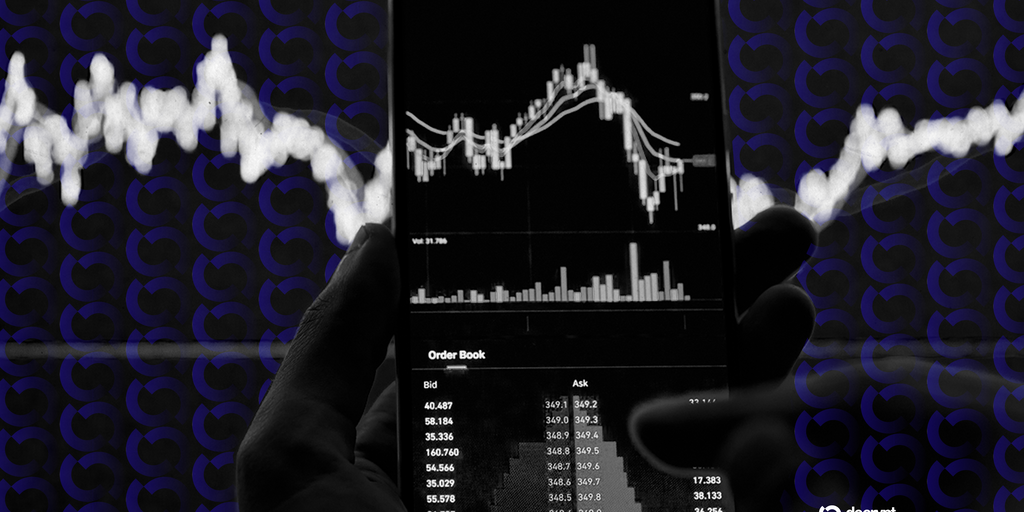
Venice (VVV), the native token of privacy-focused AI platform Venice AI, reached an all-time high of $34.51 on September 21, gaining roughly 17% in a single day. Since bottoming out at $0.92 last December, VVV has climbed approximately 3,000%, with a market cap near $1.6 billion, making it the third-largest AI-focused cryptocurrency by market value.
How VVV Works
VVV serves as an access key to Venice AI, a chatbot and image generator founded by Erik Voorhees, an early Bitcoin entrepreneur who previously founded ShapeShift. Rather than charging per prompt like traditional AI services, Venice allows users to stake VVV tokens to claim a daily allocation of platform computing resources. Users can also pay with fiat currency for private inference plans.
When users lock staked VVV into a smart contract, Venice mints a second token called DIEM. DIEM holders receive one dollar's worth of API credit daily. The platform also purchases and permanently burns VVV from the open market using a portion of its revenue, reducing token supply over time.
Privacy as Core Proposition
Venice's primary differentiator is its approach to user privacy. Unlike mainstream chatbots that typically retain copies of user inputs to improve models and screen for abuse, Venice states it maintains no logs, requires no account, and applies no content filters. This privacy-first design distinguishes the platform in a market where concerns about data usage have grown.
In August, Venice reported a $100 million annualized revenue run rate, up from $70 million the previous month. The platform raised $65 million in Series A funding in July at a $1 billion valuation, led by crypto fund Dragonfly, marking its first outside capital since launching in 2024.
Token Supply Dynamics
Annual VVV issuance has been reduced multiple times since launch, declining from 14 million tokens yearly to 2.5 million as of September 1. A further reduction to 2 million tokens annually was scheduled for October 1, a supply compression that traders have been monitoring closely.
Key Considerations
Venice does not train its own frontier AI model; instead, it routes prompts to open-source systems like Llama and DeepSeek, which generally underperform OpenAI's and Google's top-tier models in public evaluations. Additionally, token concentration presents a structural consideration: the 100 largest VVV wallets control approximately 98% of the token supply, giving a small number of holders significant price influence.