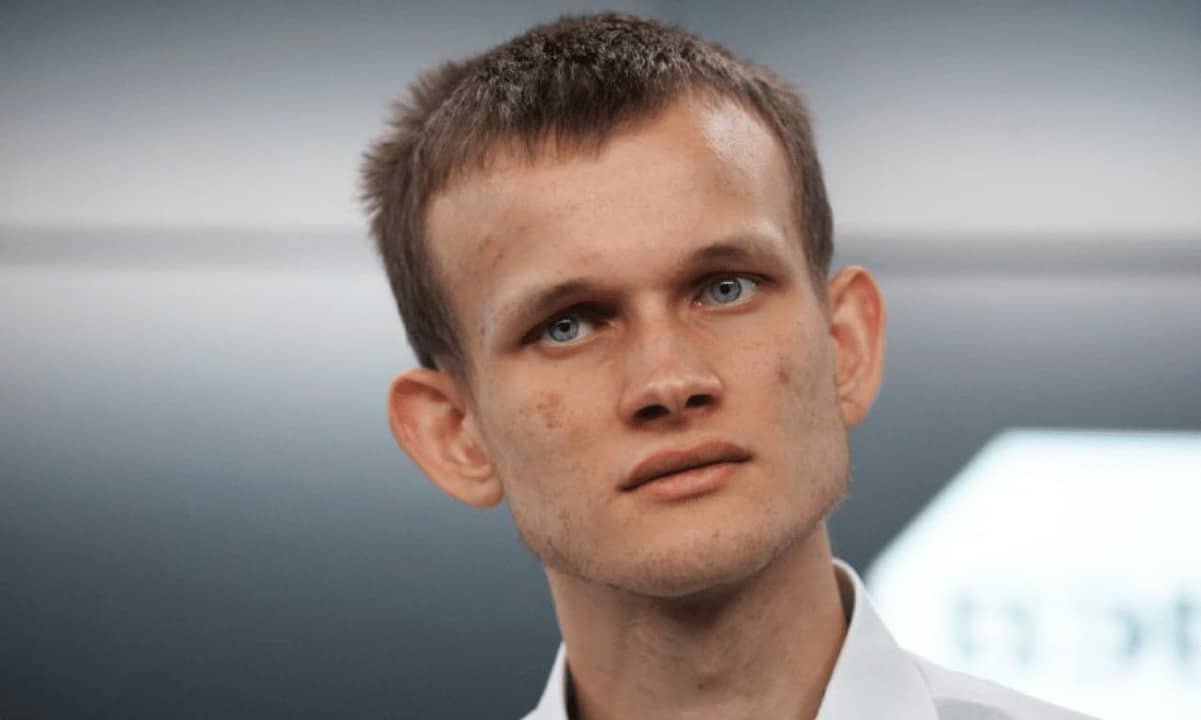
Vitalik Buterin has warned that advances in AI-assisted mathematics could weaken ECDSA and other cryptographic systems sooner than previously expected, but he cautioned the cryptocurrency industry against rushing into wallet migrations in response.
In a post addressing concerns raised by Ethereum researcher Justin Drake, Buterin acknowledged that AI could potentially discover mathematical shortcuts that have eluded cryptographers for decades. However, he stopped short of endorsing Drake's more urgent timeline, which suggested ECDSA could theoretically be broken within months rather than years.
The Migration Debate
Drake had urged large fund holders to move assets to fresh addresses whose public keys remain hidden behind hashes as a precautionary measure. Buterin rejected this approach, writing that users should not "scramble to move their funds to new wallets today." He noted that botched wallet migrations have historically cost him more money than security breaches.
For users concerned about security, Buterin suggested that multisig wallet holders change keys after each operation, rather than pursuing immediate wholesale migration.
Broader Cryptographic Concerns
Buterin's concerns extend beyond ECDSA to lattice-based cryptographic systems used in areas such as ML-DSA and fully homomorphic encryption. He argued that Ethereum's technical roadmap has favored hash-based cryptography, including signatures like WOTS and SPHINCS, to reduce exposure to both quantum-vulnerable and potentially AI-vulnerable systems where alternatives exist.
The issue extends beyond blockchain technology. Public-key encryption underpins communications infrastructure, privacy networks, websites, VPNs, and traditional financial systems that cannot be easily replaced by hash-based alternatives.
Cryptographers Question the Threat
Drake's warning has drawn pushback from cryptography experts. Yehuda Lindell, head of cryptography at Coinbase, stated there is "no evidence whatsoever" that long-standing assumptions underlying elliptic-curve cryptography are nearing failure. Lindell also rejected the notion that recent AI achievements in mathematics provide evidence against ECDSA's security.
If elliptic-curve cryptography were suddenly compromised, the consequences would extend far beyond cryptocurrency wallets to affect digital certificates, banking software, and other critical systems relying on public-key encryption.