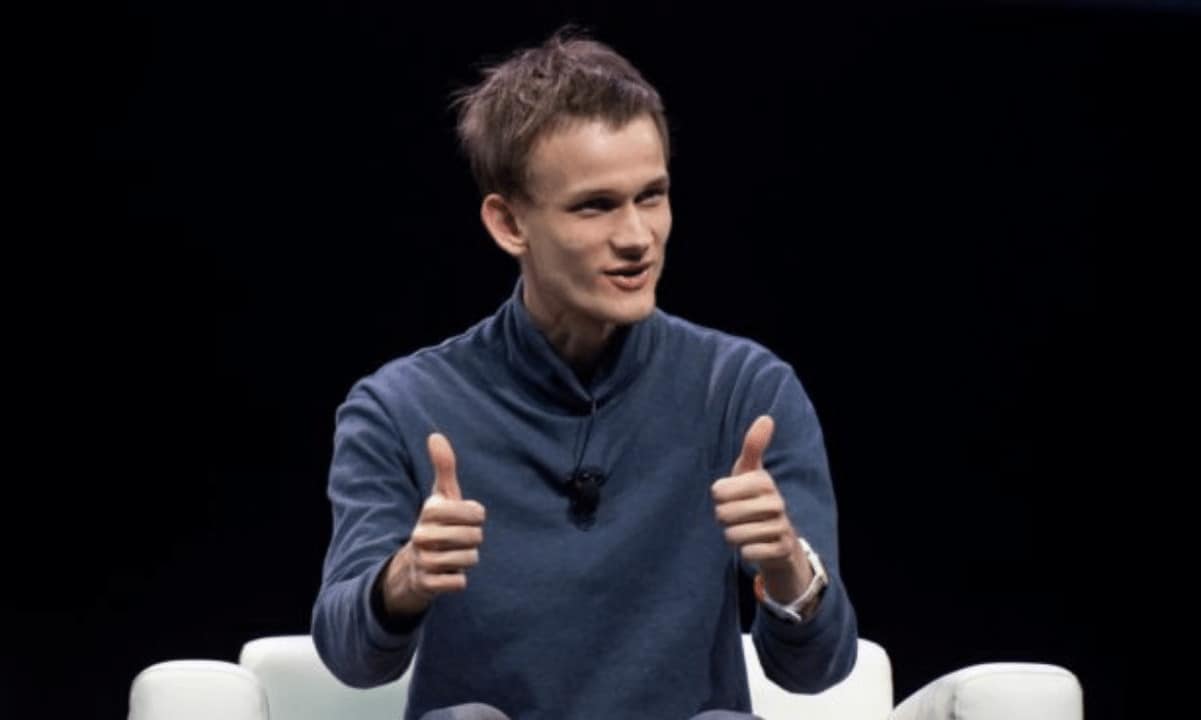
Ethereum co-founder Vitalik Buterin said on X Monday that he supports AI model Kimi 3.1's deliberate exclusion of advanced offensive cyberattack capabilities from its training data. Buterin views the trade-off as worthwhile because it provides defenders additional time to prepare and harden systems.
Buterin framed the issue as a distinction between restricting use cases versus restricting users. "Discriminating against use cases is MUCH less bad than discriminating against users," he wrote, arguing that the world needs time to upgrade systems and review existing code before powerful cyberattacks become widespread.
When asked whether other laboratories would develop these capabilities regardless, Buterin acknowledged they would. "Yes of course they will," he replied, indicating the filtering is intended to delay such development rather than prevent it entirely.
Buterin cautioned about potential consequences of mishandling AI risk. Poor management could lead to "a dystopia of highly locked down models" requiring KYC verification and surveillance, where access to AI systems varies based on credentials and nationality.
The position generated disagreement from developer Youssof Al Toukhi, who characterized the arrangement as an "elitism system" that restricts intelligence access. Toukhi cited an incident where Hugging Face attackers were analyzed using frontier models, but safety guardrails prevented requests, forcing a switch to an open model.
Buterin has previously addressed AI and cybersecurity concerns. In May, he countered fears that AI-powered bug detection would overwhelm developers by arguing that AI-assisted formal verification could strengthen crypto defenses. He suggested models could write code alongside its proof, allowing developers to verify the intended outcomes.
In October, Buterin warned that AI-assisted mathematics could weaken ECDSA and similar cryptographic systems sooner than expected, though he advised against immediate fund transfers.