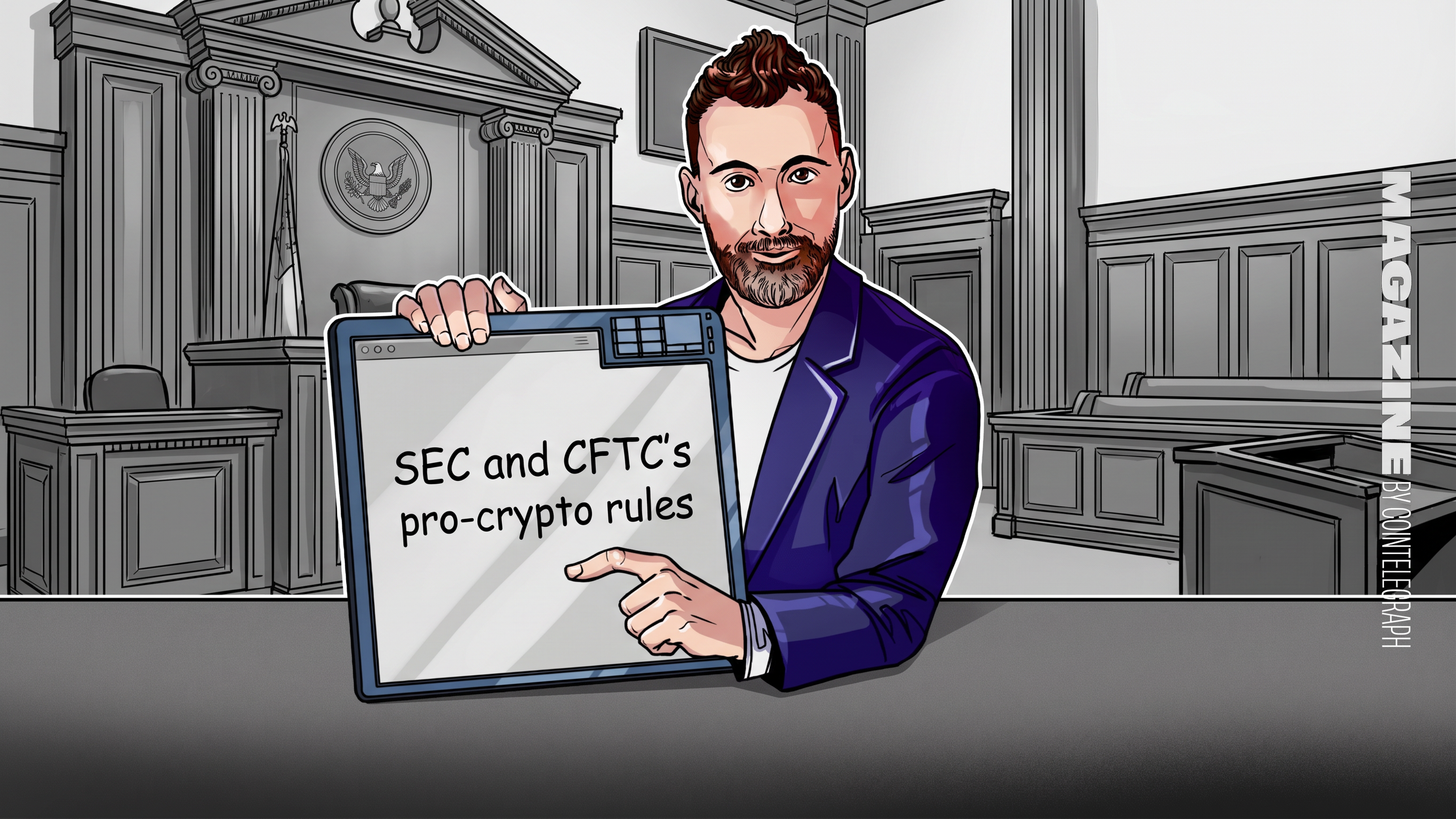
The failure of Congress to advance comprehensive digital asset legislation has prompted Wall Street to establish its own standards. When the Senate did not advance the CLARITY Act in September 2026, the regulatory vacuum accelerated industry-led solutions for tokenized assets and cryptocurrency infrastructure.
The SEC issued an "innovation exemption" allowing certain venues to trade tokenized U.S.-listed stocks on blockchain networks. However, exemptions remain temporary and can be withdrawn, leaving financial firms to navigate a fragmented regulatory landscape while building for the present.
Building Around Fragmentation
Financial institutions face a complex compliance environment. U.S. firms must answer to federal statutes, federal agencies, state laws and state regulators—each moving at different speeds. Adam Schumann, vice president of legal at OKX, noted that general consistency across jurisdictions remains elusive, forcing firms to develop tailored solutions state by state and country by country.
This patchwork creates substantial operational costs. Aravind Raju, CFO of Uphold, stated that compliance has become one of the company's largest departments due to the need for customized solutions for each state's requirements. As regulatory alignment improves, he expects these resources can be redirected elsewhere.
Infrastructure and Risk Management
Rather than consolidating around shared infrastructure, many institutions launched private, closed networks for tokenized assets and securities ledgers this year. Lewis Tuff, CEO of Twilight, noted that these separate networks cannot easily communicate, forcing each firm to rebuild the same connections independently.
Risk management practices are evolving toward separation rather than consolidation. Traditional early-stage crypto firms bundled trading, custody and clearing functions under one roof. Today's model increasingly separates these functions: traditional custodians hold digital assets while trading venues operate independently. This distribution reduces single points of failure.
Compliance and security practices are also shifting from periodic reviews to continuous monitoring, with verification occurring at every transaction.
Industry Convergence Without Legislation
The industry is converging on practices that any future legislation would likely incorporate: verified counterparties, clear separation between trading and custody functions, and continuous compliance monitoring. This development occurred without congressional action.
Raju predicted that within three years, the terminology may shift as tokenized Treasuries and money funds become routine offerings, moving the sector beyond its current identification with cryptocurrency.
Due Diligence for Advisors
Financial advisors evaluating tokenized platforms should prioritize two fundamental questions: what clients actually own and how they can recover their assets. Key considerations include:
- Who holds the assets
- Who independently verifies the numbers
- What occurs if the platform fails
- Fee structures and conflicts of interest
- Withdrawal restrictions and procedures
Advisors unable to clearly explain ownership structure, risks and recovery processes to clients should continue their due diligence before recommending such platforms.