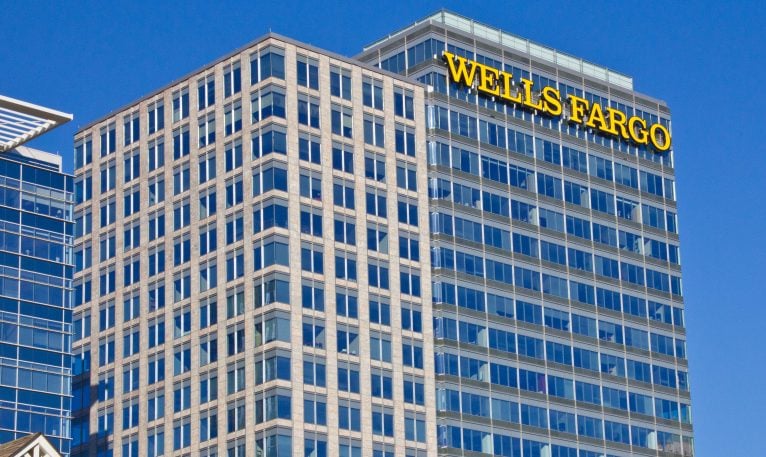
Six companies, including Wells Fargo, Arm Holdings and Intuit, have objected to having their shares tokenized on OKXICE, a planned trading platform backed by crypto exchange OKX and Intercontinental Exchange (ICE), according to a regulatory document reviewed by Reuters.
The latest objections bring the total number of opposing companies to 22, complicating plans by OKX and ICE to offer tokenized versions of 63 stocks. Earlier this week, Microsoft, Alphabet, Goldman Sachs, Qualcomm, Caterpillar, McDonald's and Western Digital filed objections, bringing the count to 16 at that time. Other companies, including Broadcom, Verizon, UnitedHealth and CoreWeave, had previously opposed the tokenization of their shares.
OKX and ICE filed with the US Securities and Exchange Commission on October 5 to launch the platform under a new five-year innovation exemption. The framework allows eligible platforms to trade tokenized stocks without complying with certain requirements imposed on traditional stock exchanges. However, issuers must be notified before their shares are tokenized and can block proposed listings by submitting an objection.
The proposed platform aims to enable continuous trading and faster settlement of US equities through blockchain infrastructure. Under the SEC's exemption, tokenized shares must provide investors with the same rights as traditional equities, including dividend payments and voting rights.
Andrew Cuomo, former New York governor and cochairman of OKXICE, described the objections as a natural response to the introduction of tokenized equity trading. Speaking to reporters Tuesday, Cuomo noted that the framework was designed to allow companies to decide whether to participate and that some companies may wait to see how the market develops before allowing their shares to trade through the new infrastructure. He characterized the framework as a limited experiment with restrictions on the number of participating companies and trading volumes.
Nasdaq has expressed support for tokenization in principle but warned that insufficient regulatory safeguards could fragment liquidity and undermine price discovery.