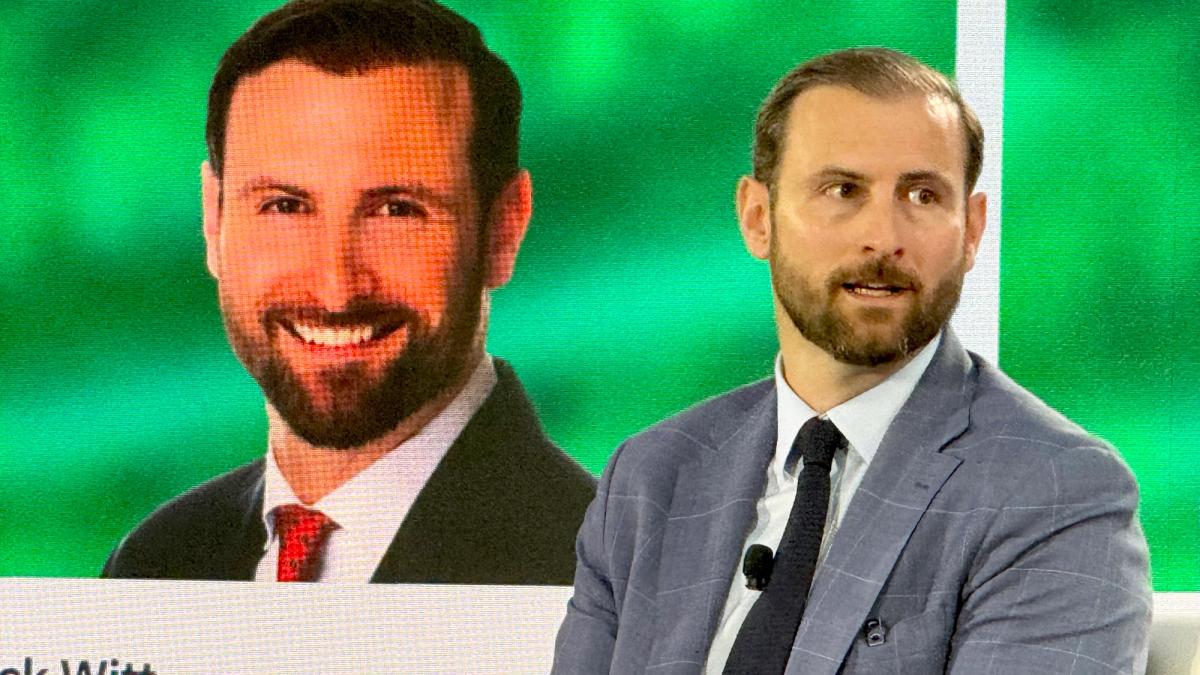
Patrick Witt's departure as President Donald Trump's crypto adviser has left the White House without a named digital assets policy presence, raising questions about the administration's crypto policy direction amid shifting priorities.
Witt, who had served as executive director of the President's Council of Advisors for Digital Assets, confirmed his exit Wednesday night. A White House official told CoinDesk that Witt's work was appreciated and that the "Crypto and Clarity Act will continue to be a priority for the president," but did not identify a replacement.
Policy Leadership Changes
The departure marks another shift in the administration's crypto leadership structure. David Sacks, the former PayPal executive initially named as the incoming AI and crypto czar before Trump returned to office in 2025, stepped down from the czar role in March. Bo Hines, the first director of the digital assets advisory council, left after approximately eight months to take a position running the U.S. arm of Tether.
When President Trump recently appointed Jay Clayton as head of his Super Intelligence Force focused on artificial intelligence, the role dropped its previous crypto component, despite crypto being included in earlier versions of the position.
Legislative Challenges
Witt had been leading the administration's push for the Digital Asset Market Clarity Act, which would establish a regulatory framework for crypto markets. The legislation faced a political roadblock last month, failing to advance in a Senate floor vote before the chamber's recess ahead of elections.
Negotiations over the bill were complicated by President Trump's personal crypto holdings. Democrats had demanded that senior government officials be blocked from personal crypto ties, leading the White House to offer ethics constraints on the president's digital assets involvement, though Democrats concluded the agreement did not go far enough.
Witt had indicated in July that he had military-service commitments with the Georgia National Guard on the horizon but stayed to work on the Clarity Act negotiations.
Uncertainty Ahead
The White House maintains a staff of policy advisers and the administration has multiple crypto regulatory initiatives underway at agencies including the Securities and Exchange Commission. However, the departure leaves unclear who will lead the administration's in-house crypto policy efforts going forward.
Some on Capitol Hill have suggested that the final weeks of the congressional session after November elections could still see legislative action on crypto matters.