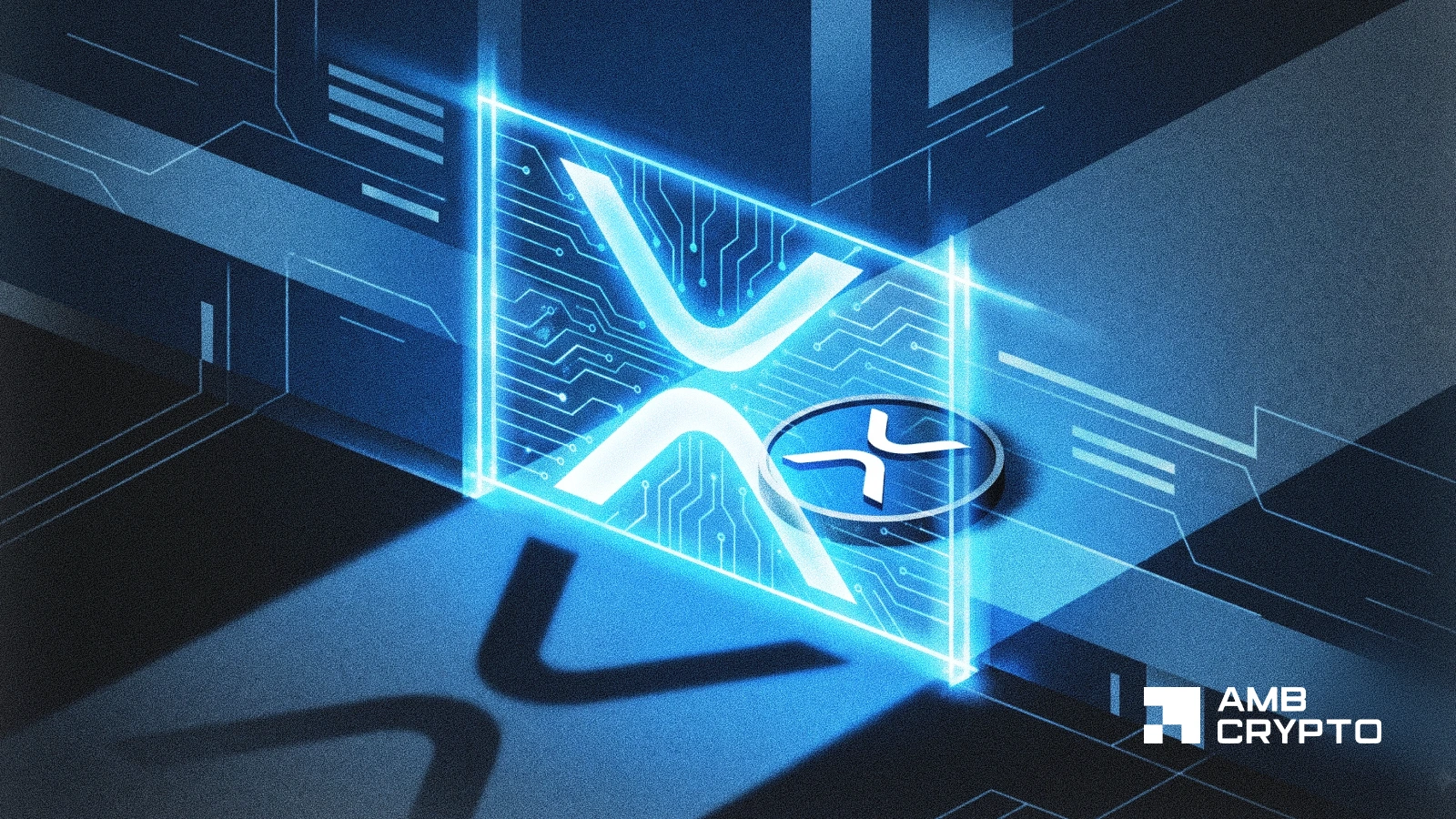
The XRP Ledger is preparing an upgrade that would tighten who can hold permissioned, regulated tokens such as stablecoins or tokenized stocks, closing routes that currently let unapproved users hold those assets without issuer consent.
The upgrade, named fixCleanup3_5_0, bundles four proposals. Its aim is to remove loopholes that allow regulated assets to be held without approval from the issuer, a gap the network says can complicate onboarding of institutional players.
Why issuers want tighter controls
For assets such as tokenized stocks, issuers want to screen buyers as part of compliance checks, including anti-money laundering and manipulation-risk reviews. A permissioned environment lets issuers run identity checks before holders can take positions in their tokens.
Until now, the XRP Ledger has offered ways to bypass those controls. The proposed changes are part of the chain's broader effort to position itself for growth in tokenization.
What happens next
The proposals were pushed out earlier this week. At the time of writing, the upgrade had not yet been merged into the main software, the next stage before validator consensus and potential adoption on the mainnet network.
To advance, the upgrade needs 80% validator support — roughly 29 of 35 trusted validators — sustained for two weeks.
According to the XRP Ledger Foundation, the proposal is part of routine hardening of the protocol and is not related to any security incident. The team has been actively scanning for flaws and vulnerabilities, and has noted that advanced AI models have also raised security risks for blockchains and digital systems generally.
Tokenized asset traction
According to the RWA dashboard, the XRP Ledger is the 10th largest network for tokenized assets, with $642.5M. That places it just below Base, which ranks ninth with $650M.
Among the top 10 networks, Base and the XRP Ledger recorded the largest growth in tokenized assets over the last 30 days, according to the dashboard. The XRP Ledger's value rose 28%, while Base's increased 69%.
Overall, the network is seeing traction on the tokenization front and is seeking to improve its underlying technology to support the segment while adding compliance guardrails for institutional participants.