As liquidity concentrates in a few established assets, discovery in crypto markets is no longer automatic. XT Exchange is positioning itself to pair access to new projects with clear information about their markets.
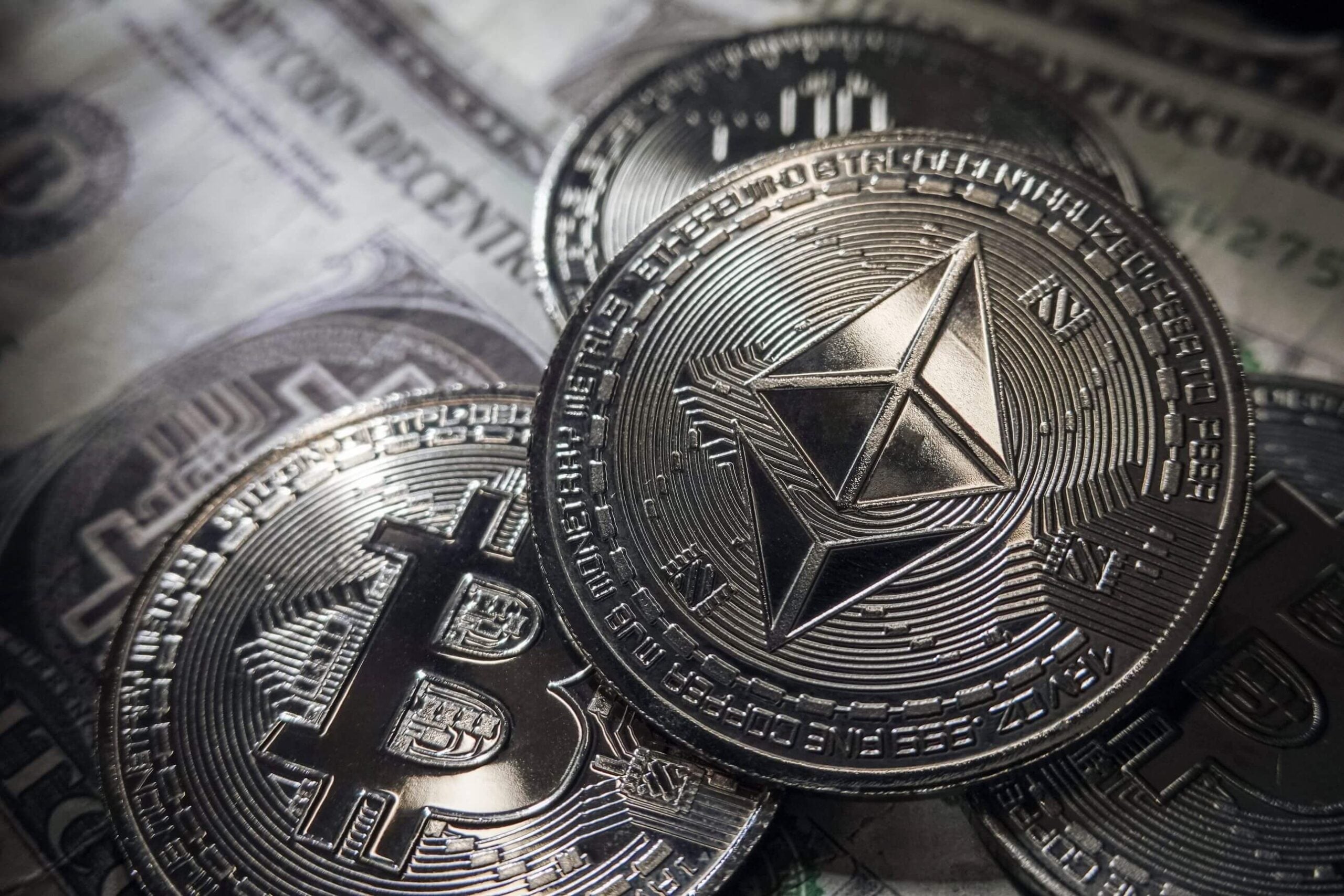
In January 2024, spot bitcoin exchange-traded products began trading on US stock exchanges, making the industry’s reference asset reachable through ordinary brokerage accounts. That milestone changed the conditions for other assets: those without such a route still depend on crypto-native venues to be found, and they compete for attention in a much larger and busier market.
In a small industry, discovery happened on its own. The number of assets was manageable, and anyone paying moderate attention encountered most of what existed. That condition is gone. Token creation is now close to frictionless, and launch infrastructure has made issuing an asset a matter of minutes rather than months. The constraint has moved from creation to visibility.
A listing does two things at once: it gives an asset access—an order book, a price and a route in and out—and it gives an asset attention by putting it in front of people who were not searching for it. Both are valuable to a project at the stage when it most needs them.
XT Exchange has chosen to stay open. It supports more than 1,300 tokens and operates XT Launchpad as a route for new projects to raise funds and reach an audience. That breadth is a position, not an accident: an industry that only lists assets which have already succeeded has outsourced its future to whatever the last cycle produced. Emerging projects need venues, liquidity and price discovery before they are obviously worth it, at a stage when access to a market can make a substantial difference.
“Listing early is a responsibility, not a favor,” said Arman Achmed, COO of XT Exchange. “A new project needs a market before it has proof, and the user looking at that market needs to know how new it is. We owe both of them clarity. That is how the door stays open.”
Staying open comes with a second commitment that XT treats as part of the same product. A new market differs from an established one: fewer holders, a shorter price history, and a price that moves on less volume. Those differences are not a reason to keep new assets out; they are the reason to keep them visible, so that a user looking at a new listing can see what kind of market they are looking at.
That means risk information that reflects the genuine difference between an established asset and a newly issued one. It means listing announcements written as what they are—the opening of a market—rather than as a judgment on the project. It means letting the difference between a large, liquid market and a thin, new one remain visible in the interface. The two commitments reinforce each other: clear information helps users assess a new listing without treating access to a market as an endorsement of the project.
The more established the industry becomes, the stronger the pull toward the assets that already work. Liquidity concentrates, institutional products reinforce the concentration, and the gap between the recognized and the unknown widens on its own. Keeping room for new ideas in that environment does not happen through goodwill; it is the product of deliberate decisions about what gets listed, how it is presented and how plainly its stage is stated.
Discovery was never the same thing as recommendation. Keeping the two clearly apart is how an exchange keeps access open and keeps its users’ trust at the same time, and it is how new ideas keep finding their way into a market that would otherwise settle around the ones it already has.
About XT Exchange
Founded in 2018, XT Exchange is a global digital asset trading platform serving more than 12 million registered users across over 200 countries and regions. Its services span spot, margin and futures trading, TradFi market exposure, a real-world asset marketplace, and everyday payments through XT Pay. Guided by Xplore Crypto Trade with Trust, XT Exchange enters its ninth year with Build the NeXT, reflecting its focus on trust, broader market access, and practical uses for digital assets.