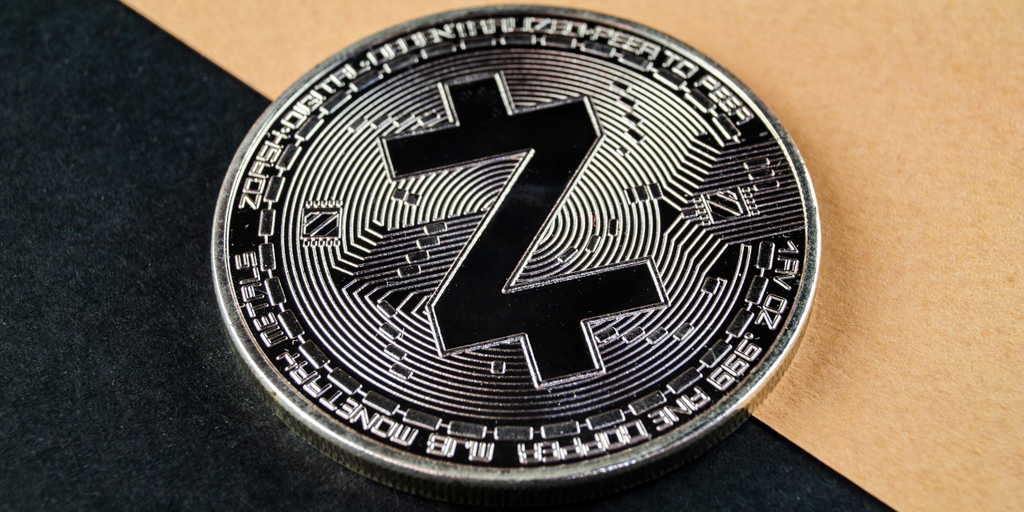
Zakura, a team that builds a Zcash full node, says it expects post-quantum signature opcodes to arrive in Zcash in January. These low-level instructions would enable the network to verify a new type of signature designed to resist potential attacks from quantum computers and advanced AI-driven mathematics.
The goal is to achieve what the team calls "full post-quantum safe transparent pools with hash based signatures," according to an engineering post by Roman Akhtariev. Zcash supports two payment types: shielded transactions that hide the sender, recipient, and amount, and transparent transactions that are publicly visible like Bitcoin payments.
Zakura's approach combines two techniques. First, wallets would rotate to a fresh address after each transaction, keeping public keys hidden until they are revealed onchain. Second, the system would add hash-based backup signatures known as WOTS, which use mathematical schemes that researchers believe could resist the elliptic-curve attacks that quantum computers or advanced AI might exploit.
The address rotation creates a privacy challenge: when a wallet queries a server to check balances across multiple addresses, the server could identify that they belong to the same user. Zakura addresses this using private information retrieval, a cryptographic technique that allows wallets to fetch records without revealing which ones they are requesting. This feature rolled out this week in the Vizor wallet, where users can test it through a "private queries" setting.
The announcement follows comments from Ethereum Foundation researcher Justin Drake, who warned that AI-driven mathematical breakthroughs could break the ECDSA signatures securing Bitcoin and Ethereum potentially within months rather than years. Ethereum co-founder Vitalik Buterin responded that he believed it was "plausible" that AI-driven advancements could compromise encryption within two years.
Zakura's plan covers only Zcash's transparent payment side. The team did not specify how or when the opcodes would be activated across the broader network. The development comes as Zcash faces growing institutional attention, including a proposed U.S. ETF and Europe's first Zcash ETP, as well as a recent upgrade that increased the speed of private payments threefold.