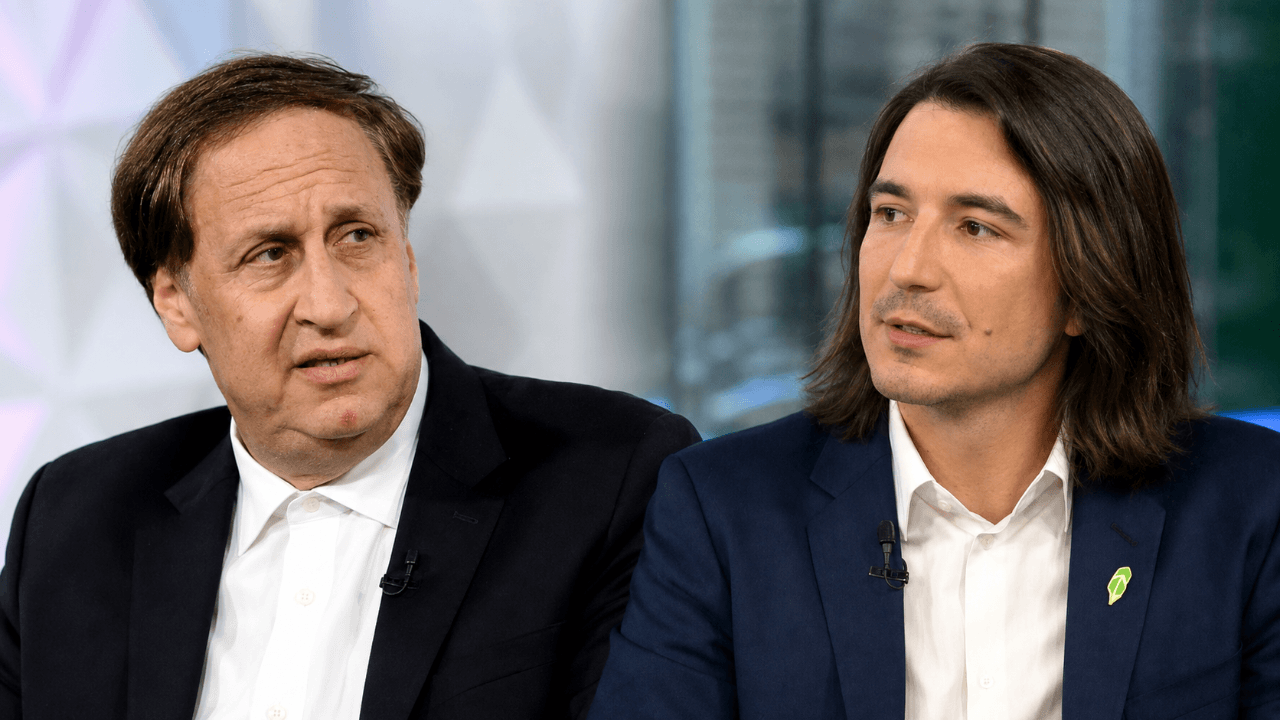
AMC Entertainment CEO Adam Aron has launched a public attack on Robinhood over its AMC-linked Stock Token, calling the product "contemptible, outrageous, inexcusable" and demanding that trading cease.
In a statement, Aron said AMC neither authorized nor endorsed the token and questioned how a product referencing the company could trade outside the U.S. without registration under U.S. securities laws. He called on Robinhood to voluntarily stop trading AMC stock tokens and said AMC had instructed securities counsel to examine whether it could force Robinhood to do so.
Robinhood CEO Vlad Tenev responded briefly with "What's the concern?" while Chief Legal Officer Dan Gallagher told Aron, "We know a little something about the U.S. securities laws. Send your lawyers and we'll educate them." Tenev added, "We stand behind Stock Tokens."
The Core Dispute
Aron argued that tokenized exposure could weaken companies' control over capital raising, confuse investors about shareholder rights, and deepen distrust in financial markets.
According to Robinhood's documentation, Stock Tokens are debt securities issued through a Jersey entity that track the economics of an underlying security without providing voting rights, dividend claims, or direct ownership. This distinction sits at the center of the conflict: Aron views the token as a threat to investor rights and corporate control, while Robinhood positions it as synthetic exposure to stocks made portable and tradable around the clock onchain.
Market Response and Broader Questions
AMC shares rose to roughly $3.07 in premarket trading after Aron's posts, compared to Thursday's $2.54 close. Meanwhile, a meme coin launched on Robinhood Chain in response to the feud reached a market cap of $135 million with $116 million in trading volume.
The dispute highlights a growing tension: tokenized price exposure can now trade continuously, even when traditional equity markets are closed. Critics of the AMC token note that investors do not receive voting rights or a direct claim on the business. Others argue that synthetic exposure to stocks is not new, but Robinhood has made it portable and programmable in ways traditional products are not.