When depositors in Cyprus woke on a Saturday morning in 2013, they discovered their bank accounts frozen. The EU-backed bail-in that followed forced account holders to absorb losses of up to 50% on their savings. More than a decade later, director Graham Stone has released a documentary examining the crisis and its implications for Western banking systems.
In an interview about the film, Stone explains a fundamental legal reality that most depositors overlook: when money enters a bank account, it ceases to be personal property. Instead, the account holder becomes an unsecured creditor to the bank. "You've essentially given the bank an uncollateralized loan, and on paper, you're sitting at the back of the line behind derivative counterparties and secured lenders if things go sideways," Stone said.
The Legal Framework for Account Seizures
The Cyprus crisis prompted governments to formalize deposit seizure procedures. Following the 2013 events, the EU passed the Bank Recovery and Resolution Directive (BRRD). Canada subsequently wrote bail-in language into its federal budget, and the United States strengthened the Orderly Liquidation Authority under Dodd-Frank. These legal frameworks now exist across major Western economies.
How the Crisis Unfolded
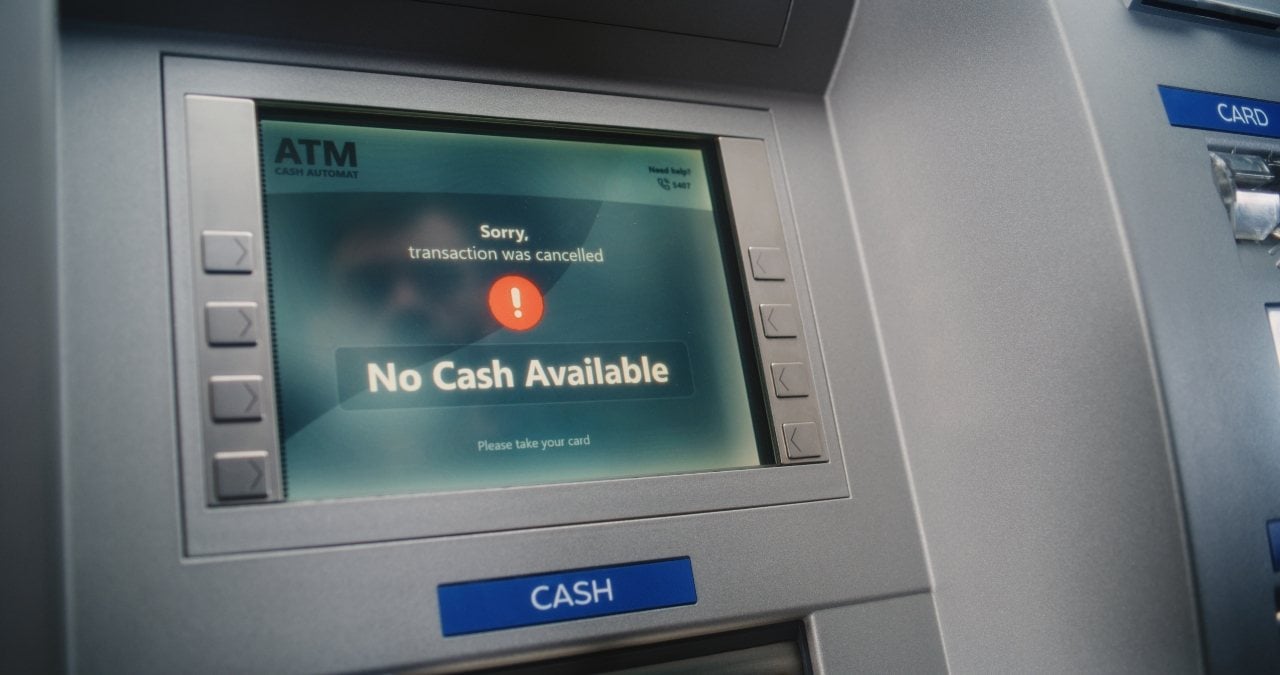
During the 13-day bank freeze in Cyprus, ATMs were locked and international wire transfers blocked, though local transfers remained briefly available. Wealthy account holders, facing imminent losses, engaged in frantic purchases of luxury goods—including high-end automobiles and jewelry—via local bank transfers, attempting to convert digital assets into physical property that would be harder to seize.
The immediate aftermath reshaped financial behavior in Cyprus. The University of Nicosia became the first accredited university worldwide to accept Bitcoin for tuition, and awareness of self-sovereign assets grew significantly among the population.
Alternative Assets and Self-Custody
Stone emphasizes that the crisis demonstrated a critical distinction: true diversification requires holding assets outside the banking system entirely, whether physical cash, gold, or Bitcoin held through private keys. He argues that third-party risk is unavoidable when an individual does not directly control the underlying asset.
The documentary also highlights recent government account freezes as evidence that censorship resistance remains relevant. Stone notes that governments can now restrict access to bank accounts without court orders, as demonstrated by account freezes in Canada in recent years.