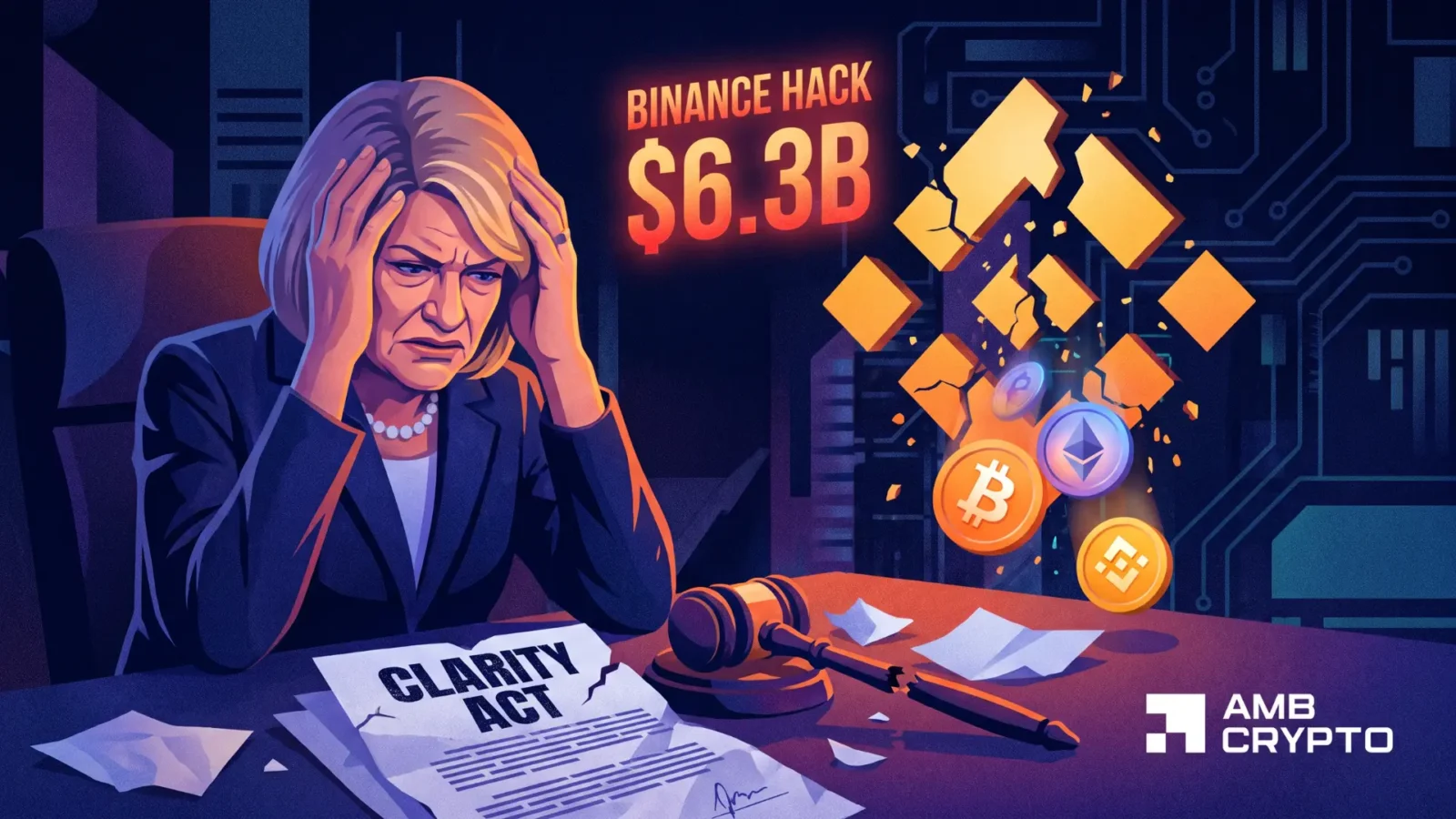
A $6.3 billion security breach at Binance, the largest crypto hack on record, has intensified discussion about cryptocurrency regulation in the United States and the need for enhanced protections at digital asset exchanges.
Regulators Call for Legislative Action
Senator Cynthia Lummis has highlighted the incident as evidence for the proposed CLARITY Act, legislation she argues would give crypto firms legal authority to freeze suspicious transactions immediately upon notification from law enforcement. According to Lummis, this rapid response capability could prevent losses that accumulate during regulatory delays.
The hack resulted in the theft of over $6 billion in less than four hours, surpassing the combined value of the two previous largest crypto thefts: the $3.5 billion LuBian hack in December 2020 and the $1.4 billion Bybit exploit in February 2025.
CFTC Chair Mike Selig similarly used the incident to advocate for a federal registration framework for crypto exchanges, arguing that offshore platforms lack the cybersecurity standards required of regulated U.S. financial institutions. Selig also noted that blockchain's transparent transaction record could assist regulators in tracing stolen funds, even when privacy tools are employed.
Market Impact
The breach triggered significant market movements. DeFi Total Value Locked declined 5.3% to $83.95 billion, reaching its lowest level since August 21. Stablecoin supply fell to $296.6 billion, remaining below the $300 billion threshold since October 24.
Bitcoin briefly fell to $76,400, triggering approximately $1.5 billion in liquidated leveraged positions across major cryptocurrencies. While some digital assets including Pepe, Sky, and Bitcoin Cash posted gains, riskier assets experienced significant losses.
Binance announced plans to resume withdrawals within 48 hours from the incident report date.