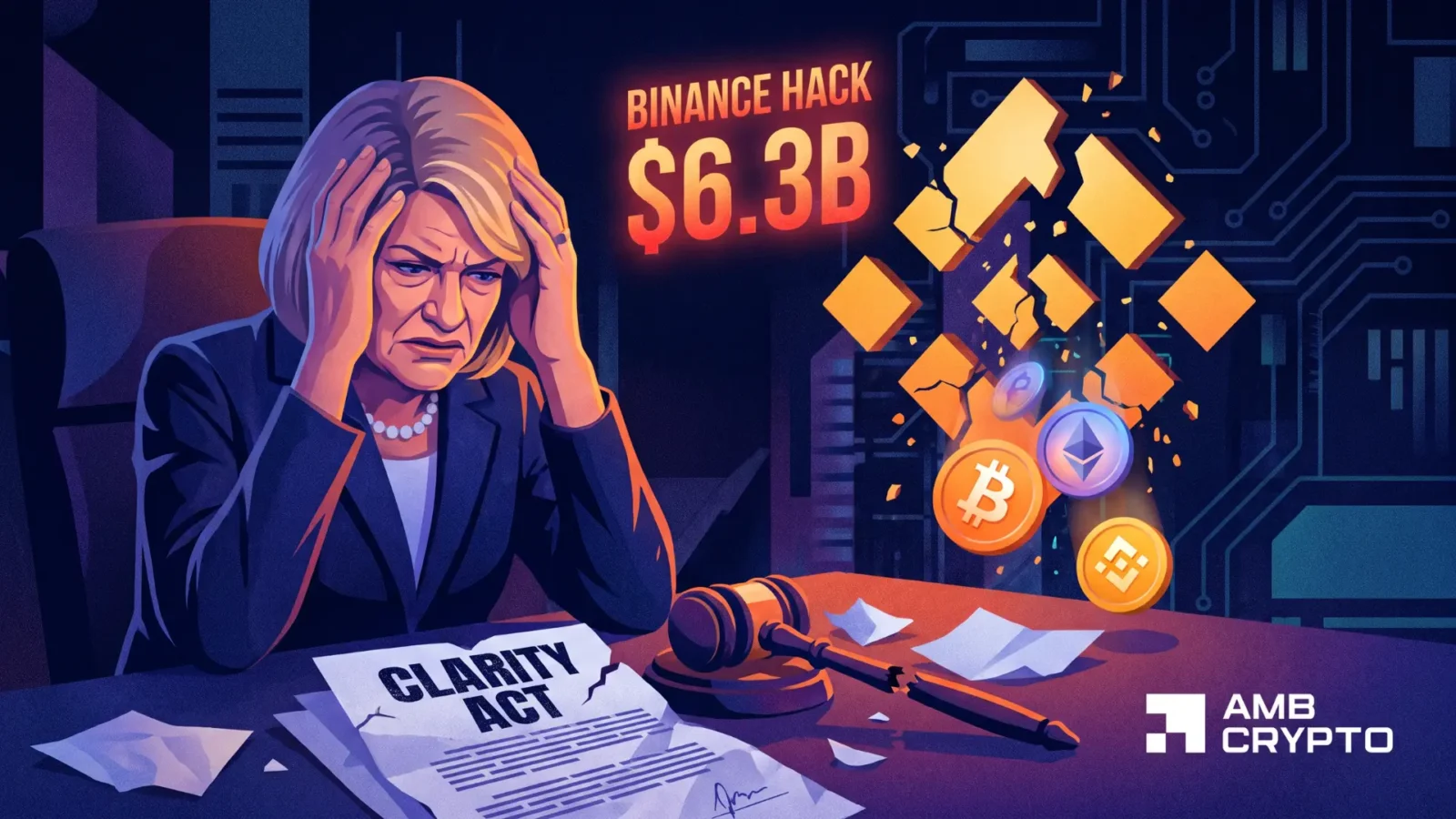
Following a $6.3 billion security breach at Binance, major Wall Street analysts are recommending clients buy the dip, arguing the hack affects the exchange's operations rather than bitcoin's underlying technology.
Bitwise Chief Investment Officer Matt Hougan stated that the incident "has not changed anything about the long-term direction of Bitcoin," predicting price recovery within a week. He noted that historically, large wallet hacks have not meaningfully impacted crypto returns, with investors typically treating such events as isolated incidents.
Bitcoin fell to a six-week low of $76,368 following the breach, while ether dropped to a two-month low of $2,178. At the time of reporting, bitcoin had steadied near $77,000.
Analyst Consensus
Brokerage firms aligned with the buy-the-dip perspective. TD Cowen analyst Lance Vitanza drew parallels to traditional finance, writing that "We do not stop using dollars when a bank is robbed, just as car theft does not invalidate the automobile."
Cantor Fitzgerald's Ramsey El-Assal stated, "We would be buyers on weakness," while Compass Point analysts Ed Engel and Michael Donovan expressed confidence that "Binance has more than enough liquidity to cover the hole."
Crypto-related stocks suffered more severe losses, with Coinbase and Marathon Digital each falling about 12% on the trading day following the breach, while Robinhood dropped approximately 9%.
Security Context
Securitize CEO Carlos Domingo clarified that "The network itself was not hacked. The hack happened in the centralized entity that sits on top of it, the same way many traditional finance companies have been hacked."
However, Tim Sun of Hashkey Group cautioned that the breach "may further dampen risk appetite and prompt investors to reassess the safety of assets held on centralized exchanges."
Next Steps
Binance announced plans to restart customer withdrawals in phases and promised to release proof-of-reserves results by November 2, which analysts viewed as potential confirmation of the recovery narrative.