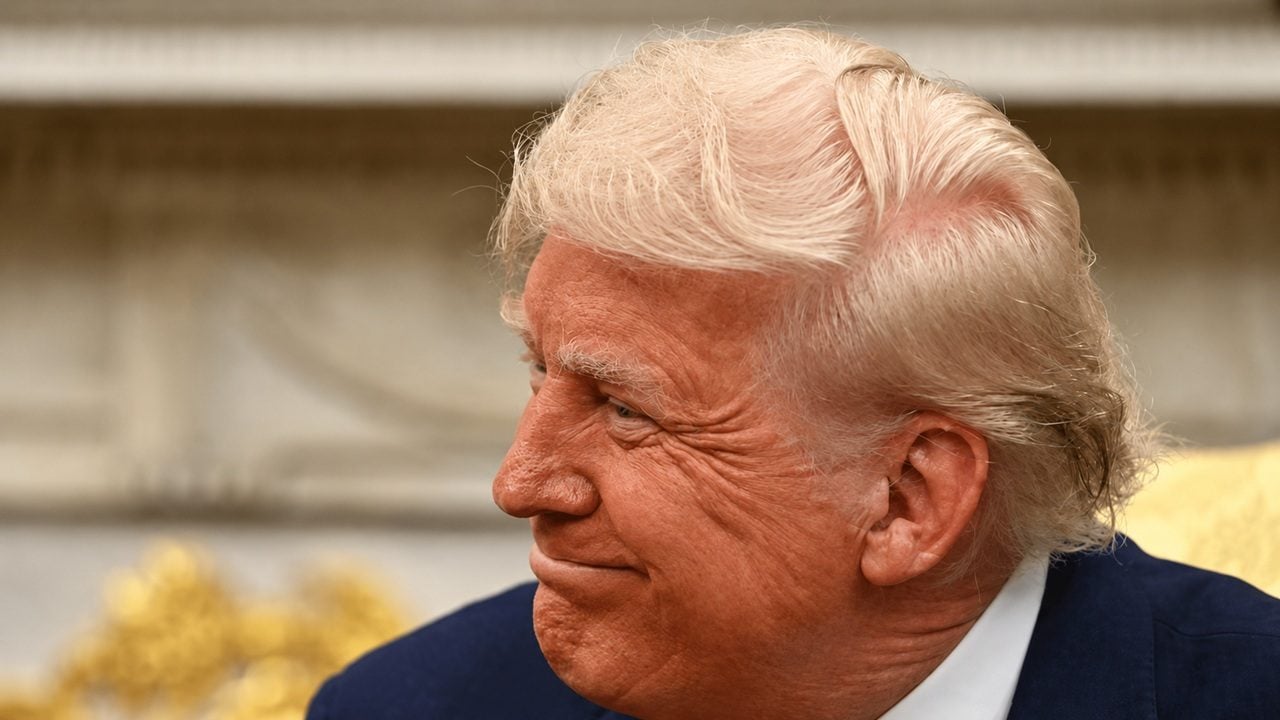
President Donald Trump recently stated in an interview with Time that Federal Reserve Chair Kevin Warsh and the central bank should not have raised interest rates. Despite the policy shift, bitcoin's price has climbed roughly 13% since the Federal Open Market Committee implemented the hike on September 16.
During a White House interview, Trump argued that the rate increase to a 3.75%-4% range was unwarranted, pointing to strong labor market numbers. While defending the Fed chair, Trump attributed the decision to a hostile board, claiming they possess "Trump derangement syndrome." The September 16 unanimous vote marked the Fed's first rate increase in more than three years, aimed at addressing elevated inflation.
Market data following the decision shows broad macroeconomic shifts. The 10-year Treasury yield climbed to a 2026 high of 5.29% by September 30, surpassing peak levels last seen in June 2007. Meanwhile, bitcoin rose from approximately $75,600 at the time of the rate decision to around $85,500.
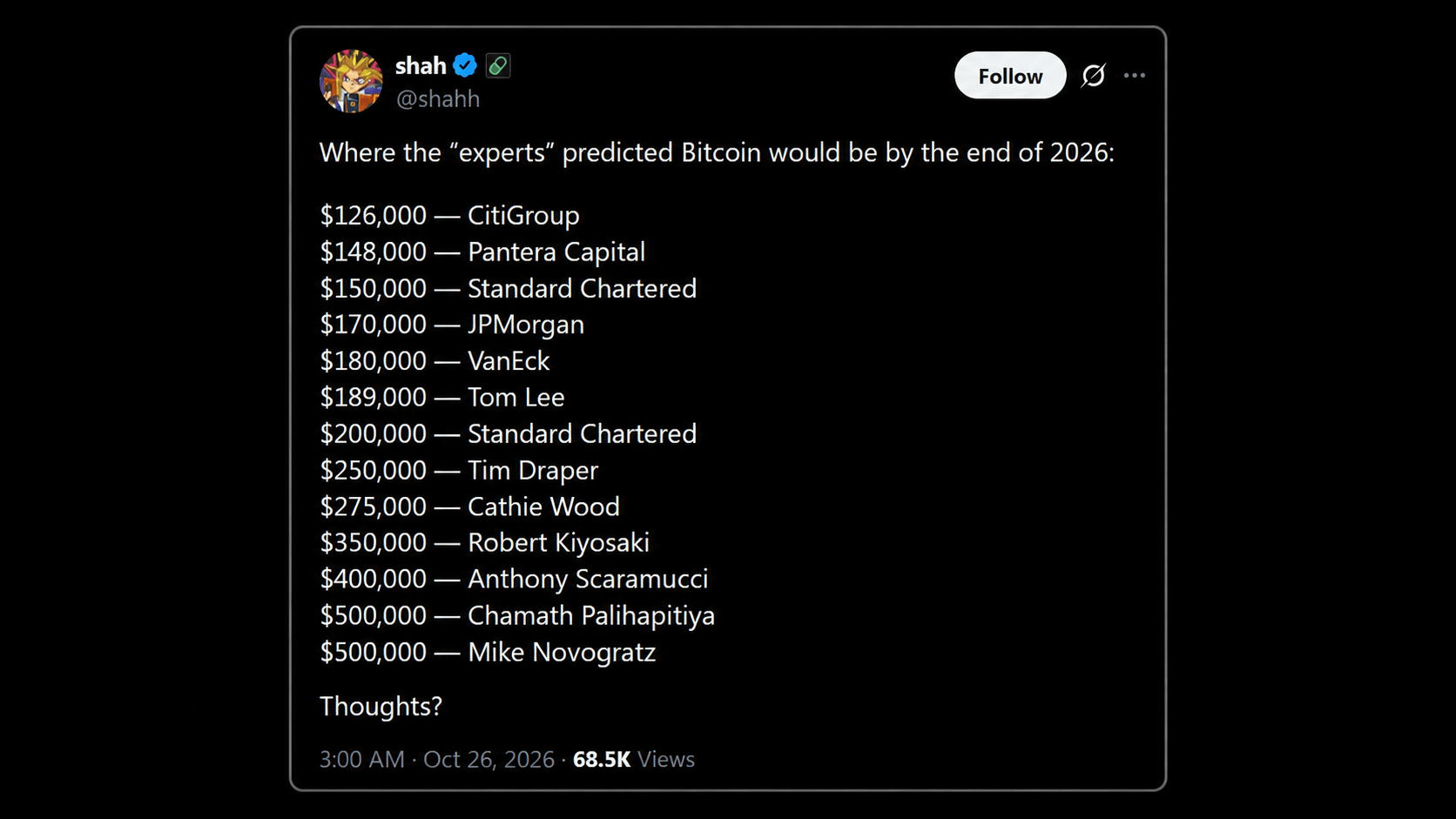
While traditional economic theory suggests higher yields should negatively impact non-interest-bearing assets like bitcoin, analysts note that the move was largely priced in after Fed leadership signaled tighter policy as early as August at Jackson Hole. Additionally, favorable large-bank forecasts and potential ETF inflows have supported market sentiment, alongside comments from Trump regarding inflation playing a role in paying down the national debt.
Attention now turns to the upcoming FOMC meeting scheduled for October 27-28. Polymarket data indicates a 24.5% chance of another 25 basis point hike, leaving traders to watch how the cryptocurrency market responds to ongoing macroeconomic catalysts.