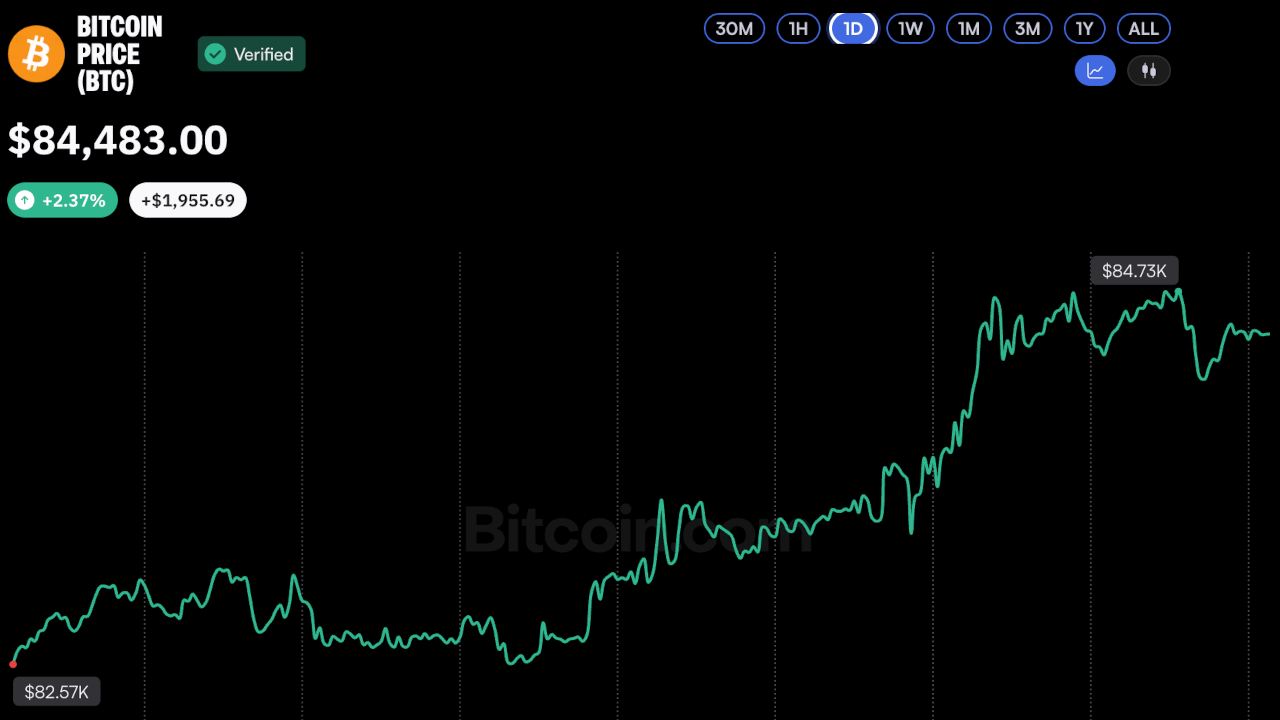
Bitcoin slipped under $78,000 following Wednesday's Wall Street open, recording daily price losses of up to 1% after US inflation data came in above expectations. The downturn also affected traditional markets, with US stocks opening lower and gold dropping below $4,600 per ounce.
The downward price action followed the release of the July Personal Consumption Expenditures (PCE) index, which is the Federal Reserve's preferred inflation gauge. The data showed a 3.7% year-on-year increase, coming in 0.1% higher than the anticipated 3.6%. According to the Bureau of Economic Analysis, the PCE price index increased 0.2% from the preceding month, both overall and when excluding food and energy.
Market participants reacted to the figures following June's unexpected drop in PCE gains, which had included the first month-on-month decrease in six years. Trading resource The Kobeissi Letter noted on social media that US inflation continues to run at nearly double the Federal Reserve's 2.0% target.
The inflation data precedes the Federal Reserve's annual Jackson Hole economic symposium, where chair Kevin Warsh is scheduled to deliver a keynote speech. Meanwhile, investors are also monitoring Nvidia's second-quarter earnings report, which analysts anticipate could act as a short-term catalyst for risk-asset volatility.
As the market looks toward the August monthly candle close, analyst Rekt Capital urged a cautious approach regarding Bitcoin's recent trajectory. The analyst warned that BTC/USD risks continuing a series of lower highs in place since October 2025 unless the macro downtrend is broken, noting that the past week's gains could otherwise be classified as a bear market relief rally. Attention is also focused on the 50-week exponential moving average at $77,251 as a key trend line to reclaim and hold.