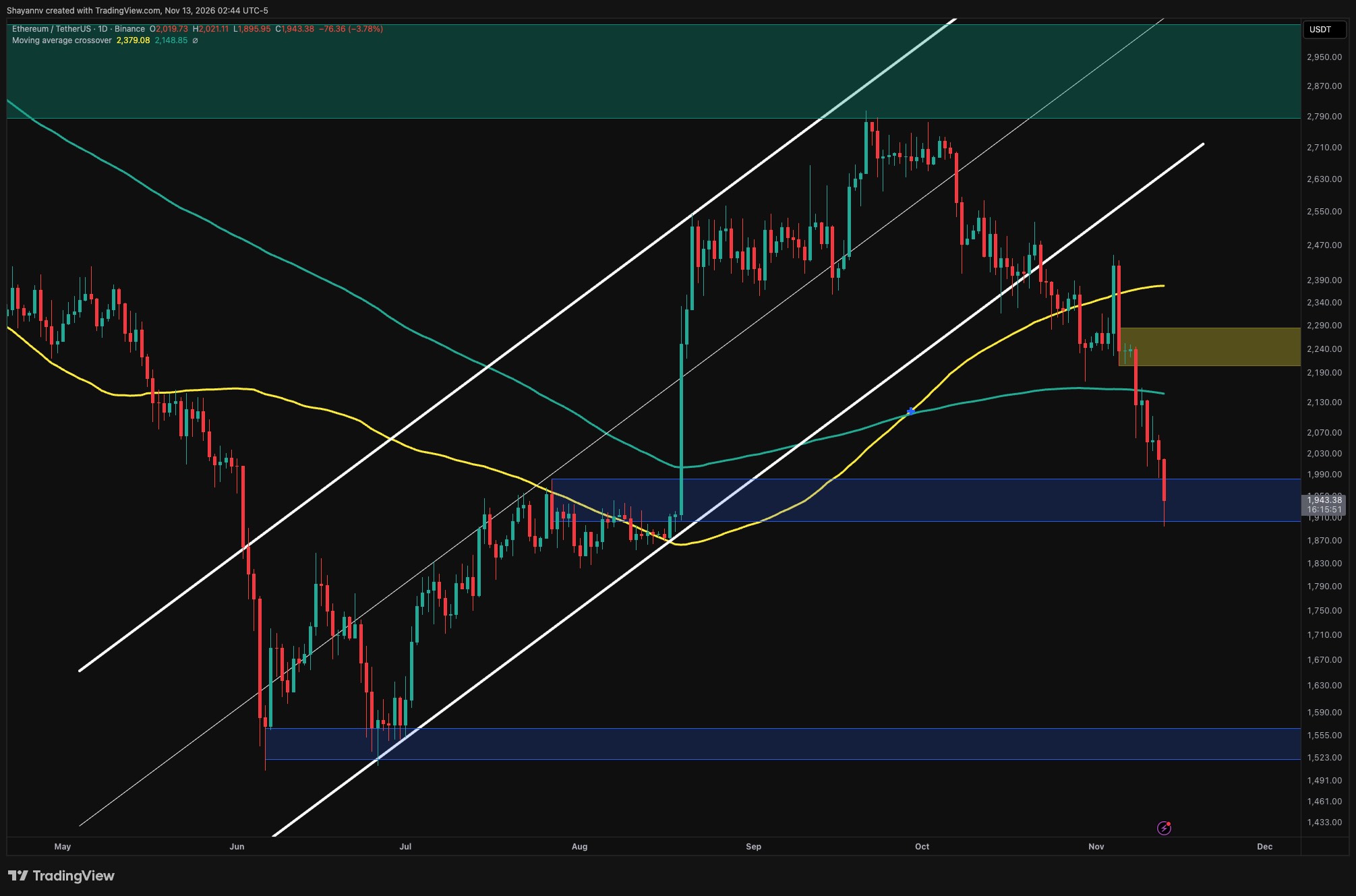
Bitcoin is on track to record its first consecutive annual losses in nearly 18 years of trading history. The asset declined 6.3% in 2025 and has fallen more than 21% so far in 2026, a performance that would mark an unprecedented losing streak for the world's largest cryptocurrency.
To avoid the historic downturn, Bitcoin would need to climb roughly 18.5% from mid-November levels to finish 2026 above its 2025 close near $87,500.
Price Movement and Timeline
Bitcoin peaked in October 2025 around $124,000 to $127,000 before entering a prolonged decline. By June 2026, the asset had fallen below $59,000, representing a peak-to-trough drop of more than 50%. Prices recovered somewhat by mid-November 2026, trading in a range between $69,000 and $74,000.
November provided no relief, with Bitcoin declining more than 4% through November 10 for the month.
Historical Context
Bitcoin has experienced significant down years before, but never two consecutive ones. After the 2018 down year, Bitcoin gained approximately 92% in 2019. Following the 2022 crash, the asset climbed roughly 155% the following year.
Implications for Investors
A pair of consecutive annual losses would represent a departure from Bitcoin's historical resilience narrative. The psychological impact may be particularly significant for institutional investors and newer market entrants who typically evaluate performance on a calendar-year basis.
For traders, the $87,500 level from the 2025 close now functions as a key reference point. Any rally approaching that level would likely draw substantial attention in the final weeks of 2026.