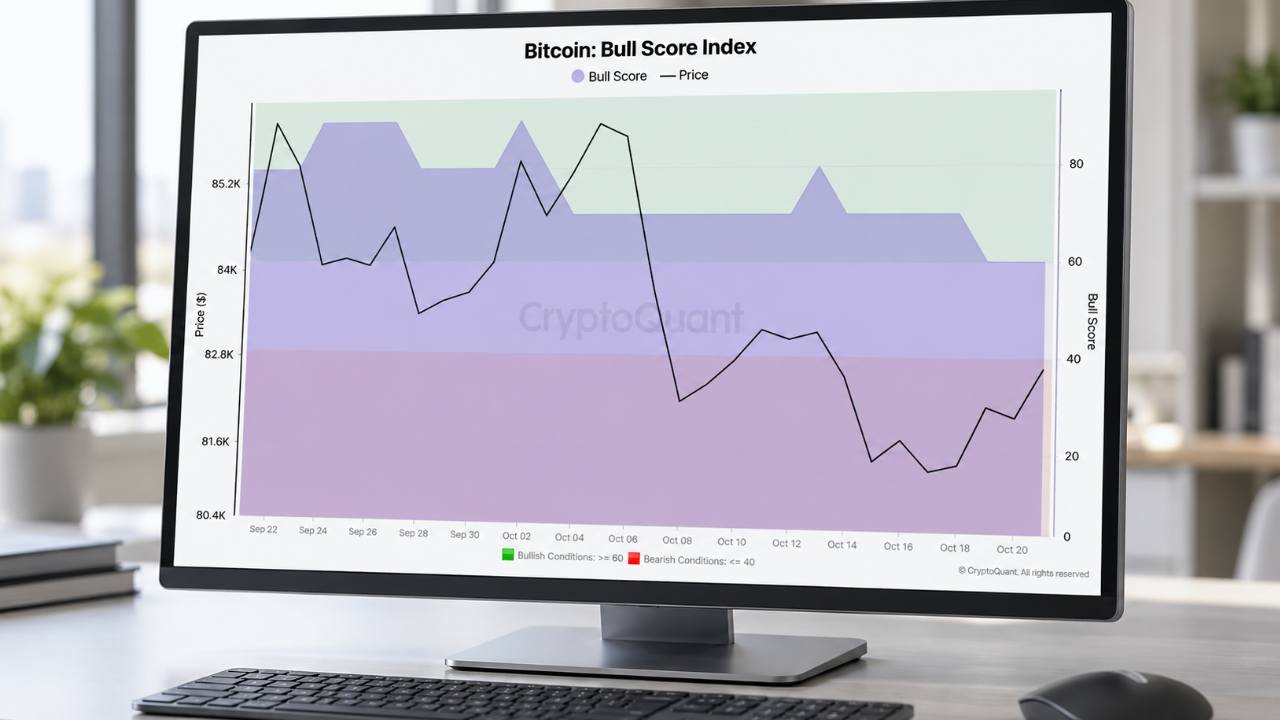
Bitcoin is currently displaying some of the strongest capitulation signals of the current market downturn, according to VanEck data. Eight of the 12 indicators tracked by the firm are flashing capitulation, while all 12 reached extreme levels at some point over the past three months. The measures track metrics such as holder supply, MVRV, NUPL, drawdown, options, and mining data to capture unusually severe selling pressure and market stress.
The readings coincide with Bitcoin trading around $65,000, attempting to establish a floor above its June low of $58,500 following a decline from its October 2025 peak of over $126,000. The current downturn has entered its 10th month, approaching the historical duration of previous major bear markets, which have averaged about 12.7 months to reach troughs, excluding the unusually short 2011 decline.
VanEck's ChainCheck analysis indicates that capitulation has historically been a poor tool for timing market turns. Bitcoin gained an average of 12.8% during the 90 days after eight to 12 capitulation indicators were triggered, which is below its broader 15.2% baseline return. Over a 180-day horizon, returns averaged 32%, trailing the 36.3% baseline.
Options Market Shows Heightened Anxiety
Despite subdued spot trading and a 30-day realized volatility falling to an annualized 27.2%—far below Bitcoin's long-term average near 80%—the options market reflects considerable anxiety. Premiums paid for Bitcoin puts climbed 42% over the past month to $551.8 million, while call premiums fell 10% to $237.6 million. This pushed the put-to-call premium ratio to 2.30, exceeding 99% of observations since 2021 and standing at more than three times its historical average.
This spending surge created an unusual divergence with outstanding positions. Call open interest increased 5% to $19.1 billion, while put open interest fell 11.5% to $10.8 billion, reducing the put-to-call open-interest ratio to 0.57. VanEck noted this discrepancy may partly reflect older, shorter-dated puts expiring alongside higher relative costs for new downside protection, leaving fewer put contracts outstanding despite higher overall spending.
Macro Pressures and Market Stabilization
Bitcoin is attempting to form a floor amid challenging macroeconomic conditions, including the 30-year US Treasury yield climbing above 5.3% to its highest level since 2007, and an ongoing conflict between the US and Iran. Additionally, corporate holder Strategy sold Bitcoin this year to help fund dividends on its preferred stock.
Despite these pressures and a 27% drop in 30-day spot volume to levels last seen in the 2023 bear market, Bitcoin has risen nearly 3% this month and remained above its June low. Long-term holders have continued distributing coins, with holdings for investors holding over a year falling by roughly 356,000 BTC over a 30-day period. However, US spot Bitcoin exchange-traded products have provided a counterweight, attracting more than $1 billion in net inflows over the past 30 days to reverse the prior month's $2.4 billion in outflows.