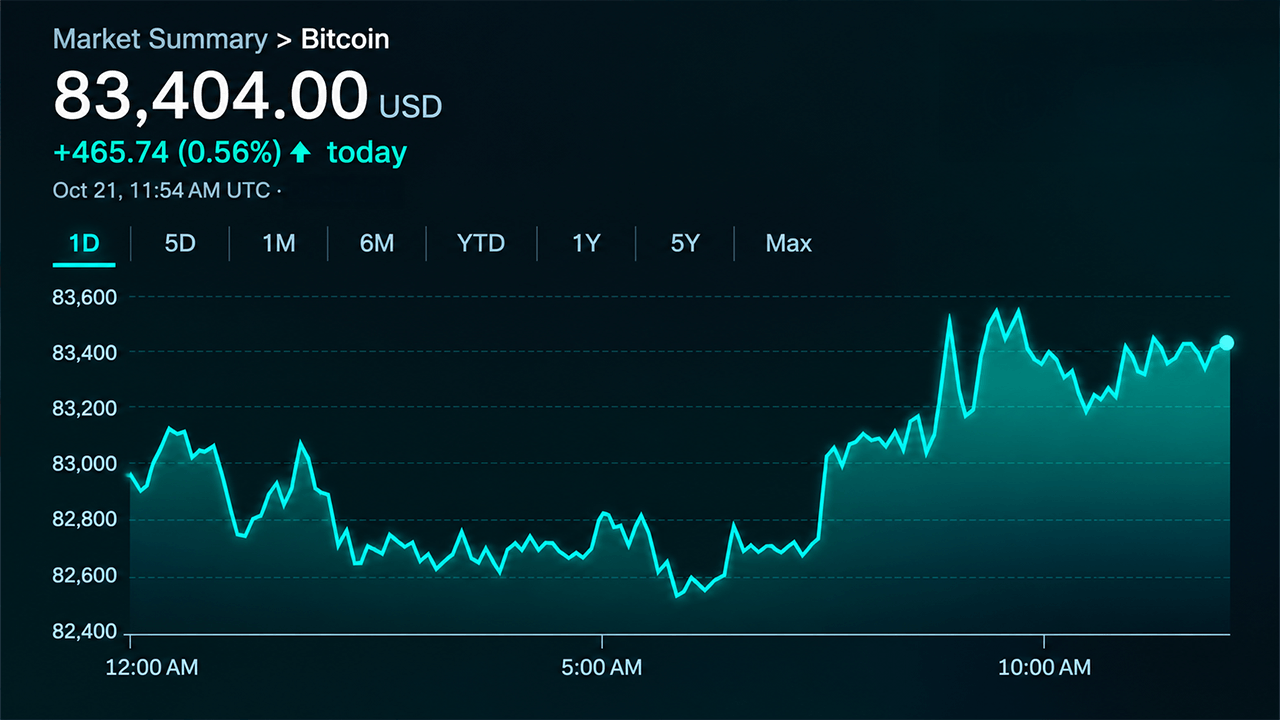
Bitcoin briefly touched $80,000 on Monday before relinquishing the level, trading near $78,835 at press time. The price movement coincided with attention drawn to a U.S. Treasury plan involving the Treasury General Account (TGA).
The Treasury General Account and Buyback Plans
The TGA, which functions as the government’s checking account at the Federal Reserve, has grown significantly, with official daily cash statements showing $935.1 billion on August 20. Reports indicate the account has sat near $950 billion.
According to CNBC, citing two senior Treasury officials, the U.S. Treasury is considering using funds from the TGA to help finance larger buybacks of long-term debt. On August 19, the Treasury doubled long-end operations from $2 billion to at least $4 billion each, with the first operation scheduled for September 9.
Market participants viewed the potential spending of TGA cash as a boost to liquidity because it moves money into bank reserves without expanding the Federal Reserve's balance sheet.
Bond Market Reaction and Yields
Treasury yield data reflected volatility surrounding the announcements. The 30-year yield reached 5.31% on August 17, its highest level since 2007. Following the buyback news, it dropped to 5.19% two days later before rising back to 5.27% by August 21. On Monday, a second bounce lowered the 30-year yield to 5.21% and the 10-year yield to 4.69%, a move that accompanied Bitcoin's temporary push to $80,000.
Criticism and Differing Market Perspectives
Treasury Secretary Scott Bessent has referred to the strategy as a “Treasury Twist,” drawing comparisons to the 1961 Operation Twist aimed at lowering long-term rates. However, the plan has faced pushback from various financial figures:
- Citadel Securities criticized the expanded buybacks as “financial repression,” warning that the policy could weaken the dollar and stoke inflation while leaving underlying budget deficits untouched.
- Peter Schiff, chief economist at Euro Pacific Asset Management, argued that the plan shortens the average maturity of national debt and increases exposure to rising short-term rates, calling it a recipe for massive quantitative easing and inflation.
- Benjamin Chabot, a former economist at the Federal Reserve Bank of Chicago, questioned the long-term impact, noting that TGA funds are largely spoken for and that the critical factor is how the Treasury plans to refill the account after purchases.
- Tom Lee of Fundstrat offered a contrasting view, stating that the shift favors long-duration assets such as equities, crypto, gold, and real estate.
The Treasury has not yet spent funds from the account, with market focus turning toward the initial buyback operations scheduled for September 9.