A recent commentary published by Forbes suggests that Bitcoin could serve as a neutral reserve asset, offering a potential escape from the structural conflicts associated with the U.S. dollar's global reserve status. The analysis, written by contributor Dave Birnbaum, builds on remarks from a resurfaced video of U.S. Vice President JD Vance discussing the trade-offs of dollar dominance.
The debate centers on the Triffin dilemma, a conflict identified over six decades ago by economist Robert Triffin during the Bretton Woods system. The dilemma highlights the tension that arises when a national currency also functions as an international public good, forcing the issuing country to balance domestic economic goals with global liquidity demands.
The Domestic Trade-Off of Dollar Dominance
In the resurfaced remarks, Vance questioned whether the dollar's reserve status ultimately benefits the broader U.S. economy. While global demand for the dollar lowers borrowing costs and allows American consumers to purchase foreign goods more cheaply, it can drive up the exchange rate and place pressure on domestic manufacturers and exporters.
This dynamic creates a conflict between consumer purchasing power and the competitiveness of U.S.-produced goods. The dollar's share of global foreign exchange reserves has gradually declined over time, accounting for approximately 58% of global reserves, down from about 72% in 2001.
Meanwhile, dollar-backed stablecoins have extended the currency's use into digital markets. Approximately 97% of the stablecoin market is denominated in dollars, with regulated issuers holding reserves in cash and short-dated U.S. Treasuries. While stablecoins increase global demand for U.S. government debt, analysts note they do not remove the underlying monetary conflict described by the Triffin dilemma.
The Case for Bitcoin and Sovereign Reserves
Birnbaum argued that Bitcoin presents a different structural model because its supply follows protocol rules and is not tied to the fiscal or trade policies of any single nation. Unlike fiat currencies or stablecoins, Bitcoin ownership does not depend on a sovereign issuer providing an underlying liability.
However, analysts note that significant obstacles remain for central banks, including market volatility, custody requirements, and limited sovereign adoption. Gold currently occupies a much stronger position as a politically neutral reserve asset, with World Gold Council data showing central banks purchasing more than 1,000 metric tons annually across 2022, 2023, and 2024. Unlike physical gold, which incurs storage, transportation, and verification costs, Bitcoin offers digital settlement capabilities.
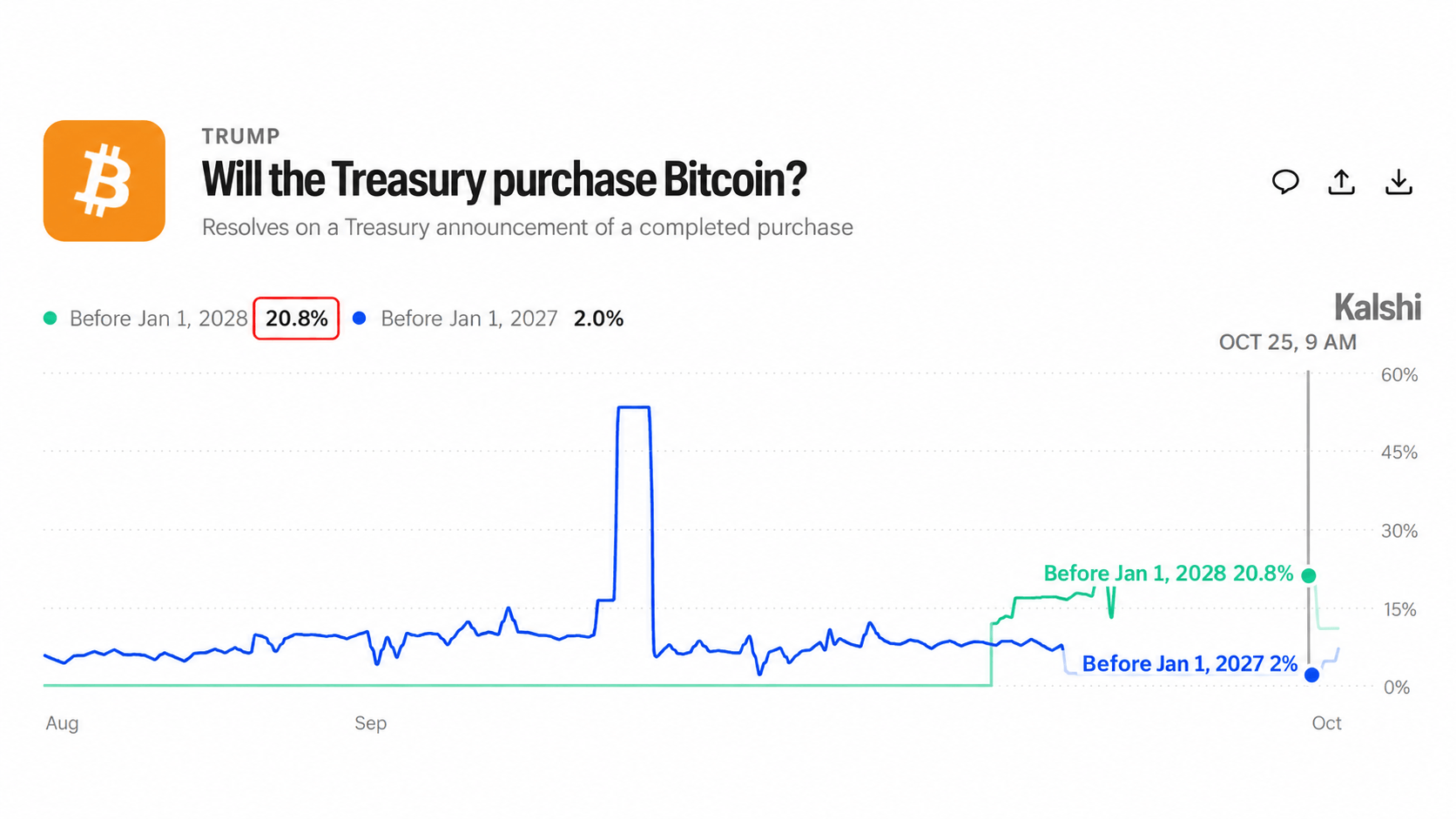
The United States has taken limited steps regarding sovereign holdings. An executive order signed by President Donald Trump created the Strategic Bitcoin Reserve using BTC obtained through asset forfeitures, functioning primarily as a retention mechanism rather than an active purchasing program. Additional legislative proposals, such as Senator Cynthia Lummis' BITCOIN Act, have also sought to establish larger federal reserves.
Birnbaum's analysis does not position Bitcoin as an immediate replacement for the dollar or gold in central bank reserves. Instead, it frames Bitcoin as a potential long-term asset that could separate sovereign savings from the fiscal liabilities of dominant currency issuers.