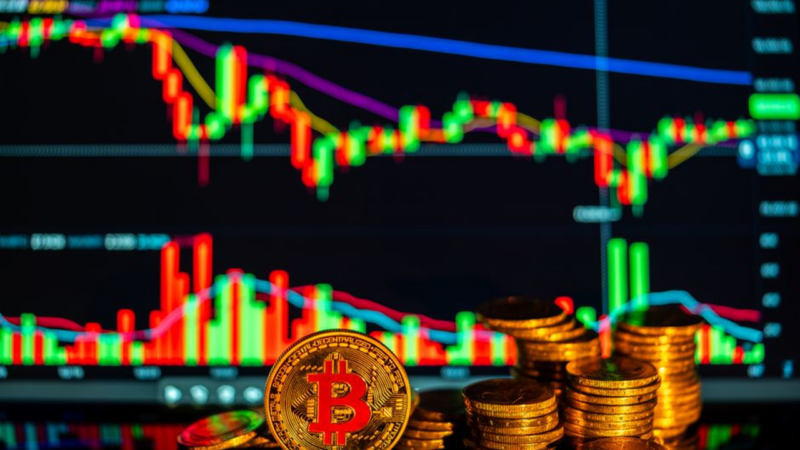
Bitcoin's recent sell-off was initiated by the $6.4 billion Binance hack in October but was primarily sustained by weakening investor demand and forced liquidations, according to a November 24 report from crypto asset manager 21Shares.
The hack on October 29 triggered an initial 5.1% decline in Bitcoin over two days. However, Bitcoin recovered most of that loss by November 4. Between November 4 and November 11, weakening demand drove Bitcoin down an additional 8.3%. Forced selling of leveraged positions accelerated losses, sending Bitcoin down another 13.5% over the next three days.
Crypto liquidations totaled $5.8 billion in the week ending November 15, with long positions accounting for 81% of that volume.
Signs of Weakening Investor Appetite
Stablecoin supply contracted by $10.7 billion following the hack, marking the largest 18-day decline in dollar terms since the Terra collapse in 2022. US spot Bitcoin and Ether exchange-traded funds recorded combined outflows of $3.9 billion between October 30 and November 13.
The market faced headwinds before the hack. The Federal Reserve had raised rates in September, core inflation had risen 0.3% for a third consecutive month, and uncertainty about artificial intelligence spending had kept the Nasdaq-100 below its October 6 record.
Major Holders Remain Inactive
The 18,270 BTC and 522,409 ETH stolen in the Binance hack remained unspent as of mid-November. Neither the US government nor the Mt. Gox trustee had transferred Bitcoin to exchanges since the attack.
Bitcoin treasury firm Strategy continued accumulating, purchasing 2,332 BTC between October 26 and November 15. Miner transfers to exchanges fell to their lowest levels since at least 2020, though the data may not capture sales by publicly traded mining companies.
Outlook and Key Levels
21Shares believes Bitcoin is already more than a year into a cyclical bear market. Historically, such downturns have lasted approximately two and a half years with average price declines of 84%.
However, the firm sees a lower probability of Bitcoin reaching previous bear market lows, citing the growing presence of institutional investors and spot ETFs. The competitive landscape has shifted, with artificial intelligence and robotics drawing talent and capital from cryptocurrency.
21Shares identified Bitcoin's realized price of $53,250 as a key downside level. A return to the $73,000 to $75,500 range coupled with sustained ETF inflows and rising stablecoin balances would signal renewed demand.
Potential risks to recovery include a larger-than-expected Federal Reserve rate hike in December and the $2.2 billion in BTC and ETH from the Binance hack potentially reaching the market through over-the-counter brokers in the coming months.