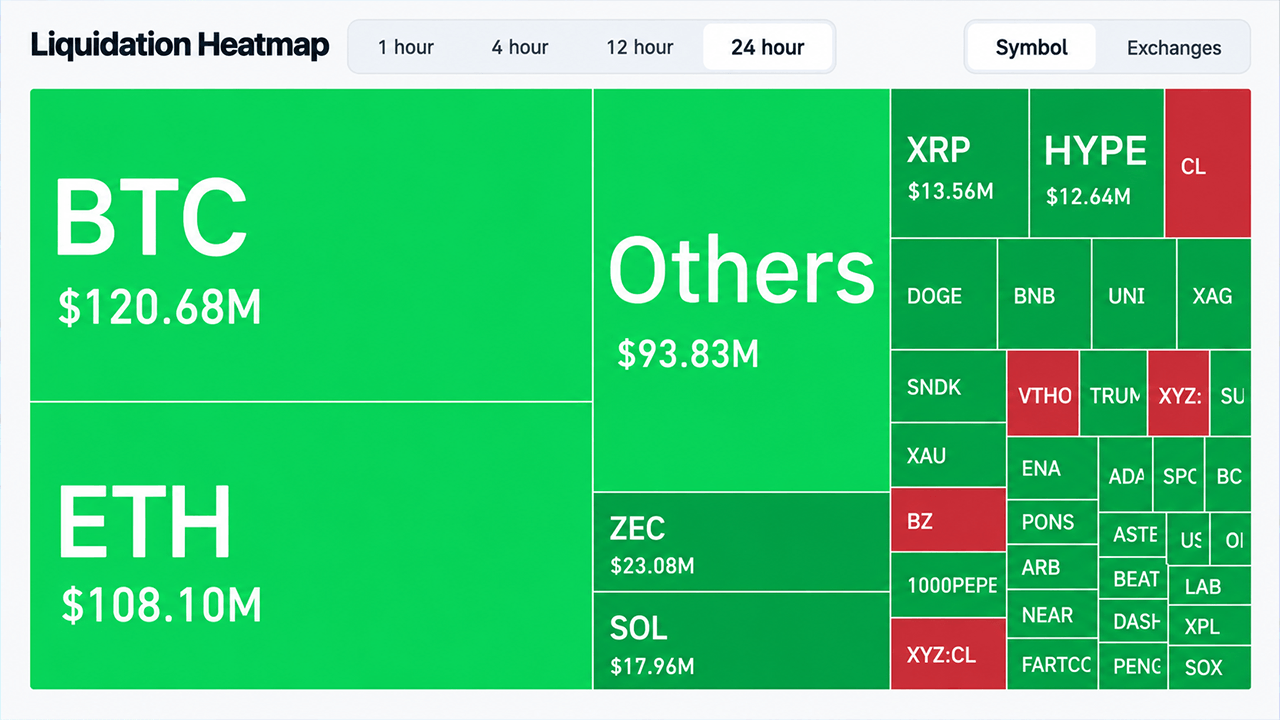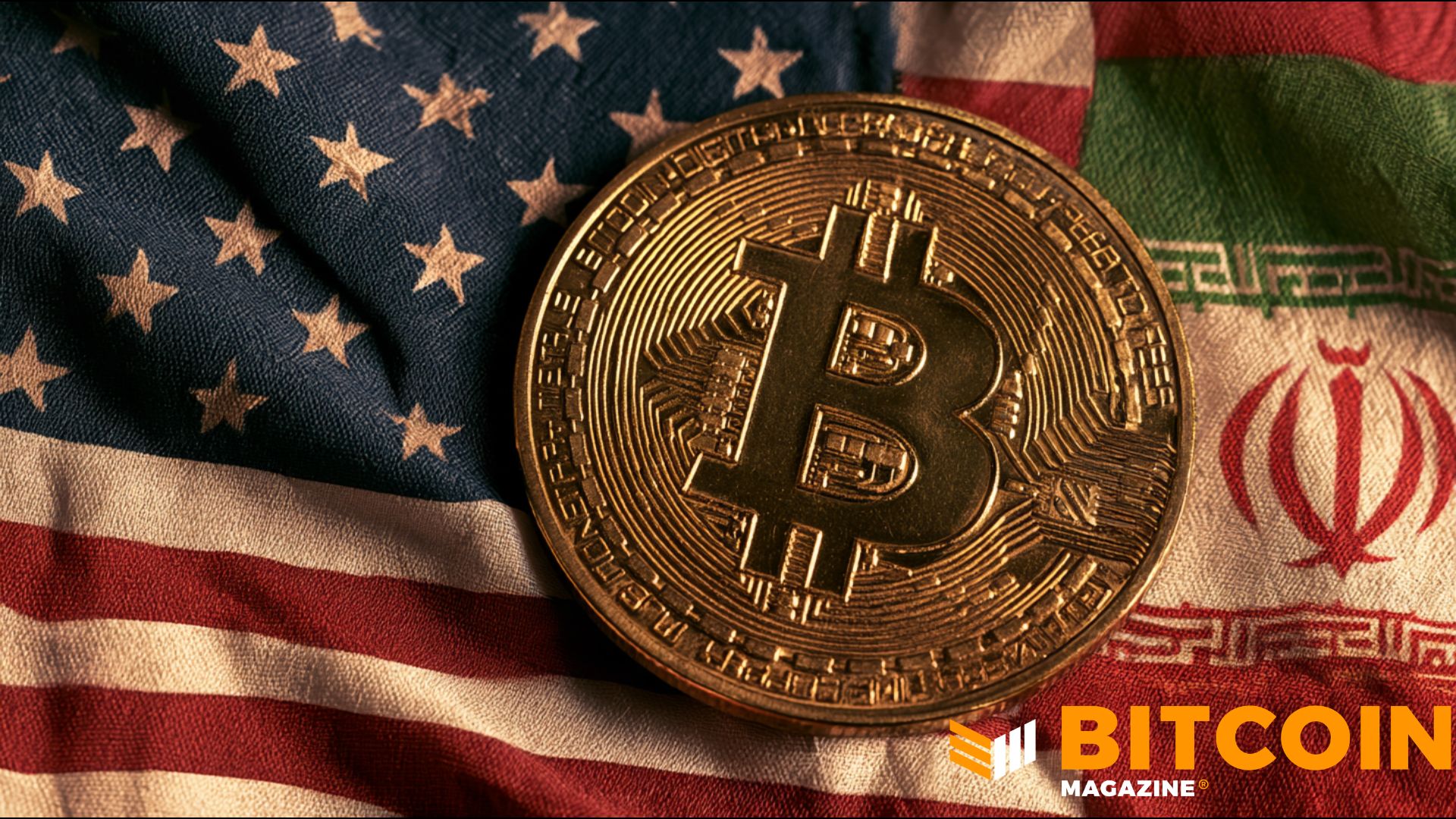
Bitcoin declined on Thursday amid escalating Middle East tensions that sent oil prices surging above $105 a barrel. The cryptocurrency traded recently at $77,208, down from a low of $76,748 over the previous day.
The selloff followed signals from Iran that it would not back down against U.S. forces, with the two countries engaging in some of the heaviest fighting since the conflict began in February. Tehran-backed Houthis in Yemen also targeted Saudi Arabian assets this week, adding further pressure to oil markets.
Rising oil prices typically fuel inflation concerns, reducing the likelihood of Federal Reserve interest rate cuts. Bitcoin has historically performed well in low interest rate environments and has faced selling pressure when the central bank adopts a more hawkish stance.
Federal Reserve Chair Kevin Warsh said in his first speech as leader that inflation in the U.S. economy had not declined sufficiently. Traders are now pricing in an interest rate hike when the Fed meets next week.
The timing compounds challenges for bitcoin after a strong August performance, when the U.S. Treasury announced it would at least double its liquidity-support buyback operations in response to rising borrowing costs. That move benefited non-yielding assets like bitcoin and gold while pressuring the dollar.
Bitcoin has increasingly moved in tandem with gold this year as investors use both assets to hedge against dollar weakness, a shift from its earlier correlation with risk-on assets like technology stocks.