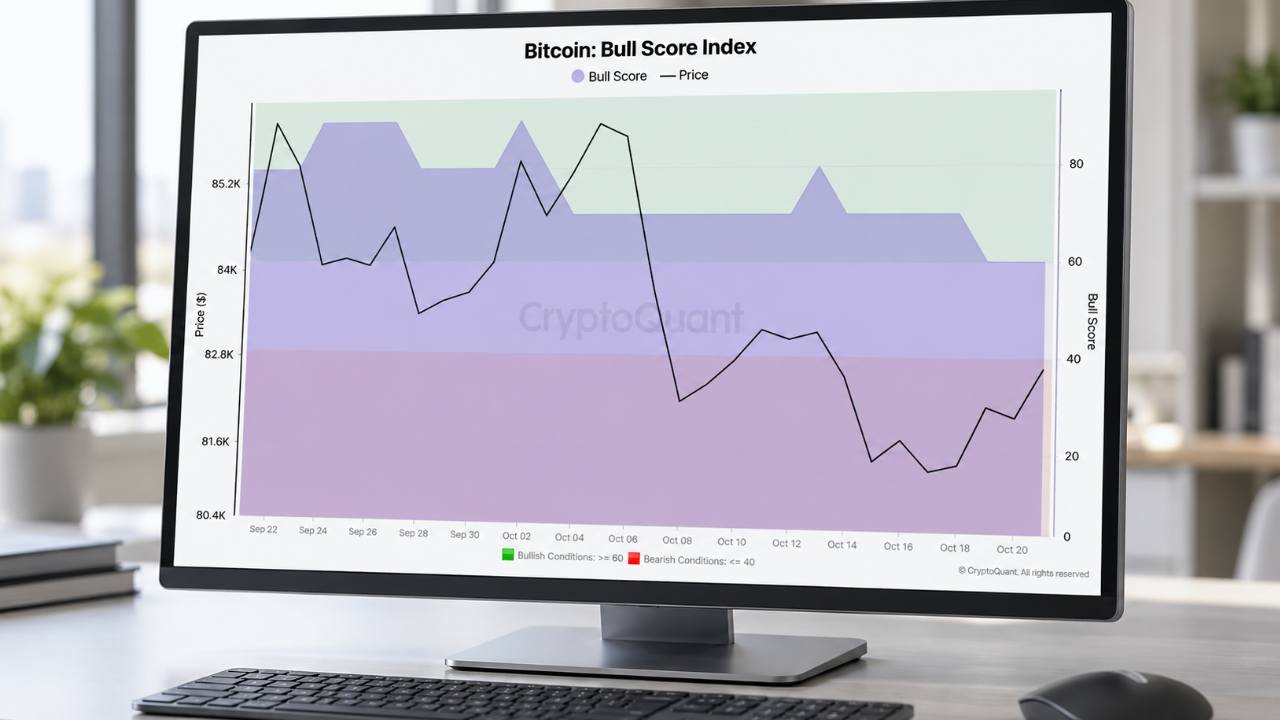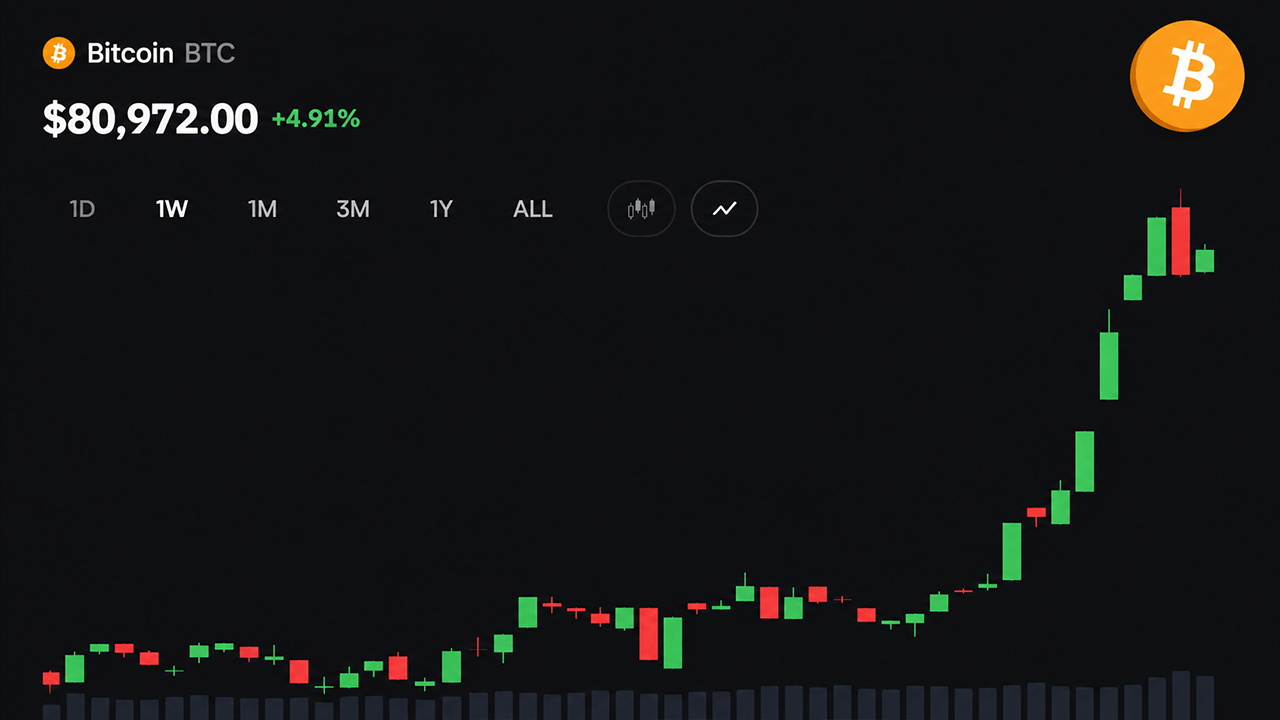
Bitcoin rallied above $80,000 in late August following a short squeeze, but the advance quickly stalled as selling pressure mounted. The price reached $81,364 on September 3 before settling around $81,257, remaining trapped below a key resistance zone between $83,000 and $86,000.
According to onchain data, bitcoin faces heavier selling pressure at current levels than earlier in the year. When bitcoin traded near $78,000 in May, approximately 65% of the circulating supply was held at a profit. By late August, that figure had risen to 68%, reflecting summer accumulation and pushing short-term holder cost basis toward $71,000. This creates a larger pool of investors sitting on unrealized gains who may sell into strength.
The market structure is well-defined, with a dense accumulation zone between $62,000 and $65,000 providing the strongest nearby support. Long-term holder supply between $83,000 and $86,000 remains the primary barrier to further upside, effectively confining bitcoin to a range until one side breaks through.
Macro conditions have become less supportive for upside movement. The U.S. 10-year Treasury yield climbed back to 4.8%, reaching new cycle highs just eight trading sessions after falling toward 4.6%. Higher yields tend to pressure risk assets by raising discount rates and reducing the appeal of speculative exposure.
Institutional demand through spot bitcoin exchange-traded funds has shown modest strength, with an average daily absorption of $338 million over a nine-day period that included $3.04 billion in inflows at the rally's peak. However, daily secondary-market turnover remained below $3 billion, well below levels seen during stronger expansion phases.
Traders are focusing attention on the September 25 quarter-end options expiry, which carries roughly $14 billion in open interest across derivatives exchanges. Unless buyers absorb supply at $83,000 to $86,000, the market remains vulnerable to a move toward the lower end of the range.