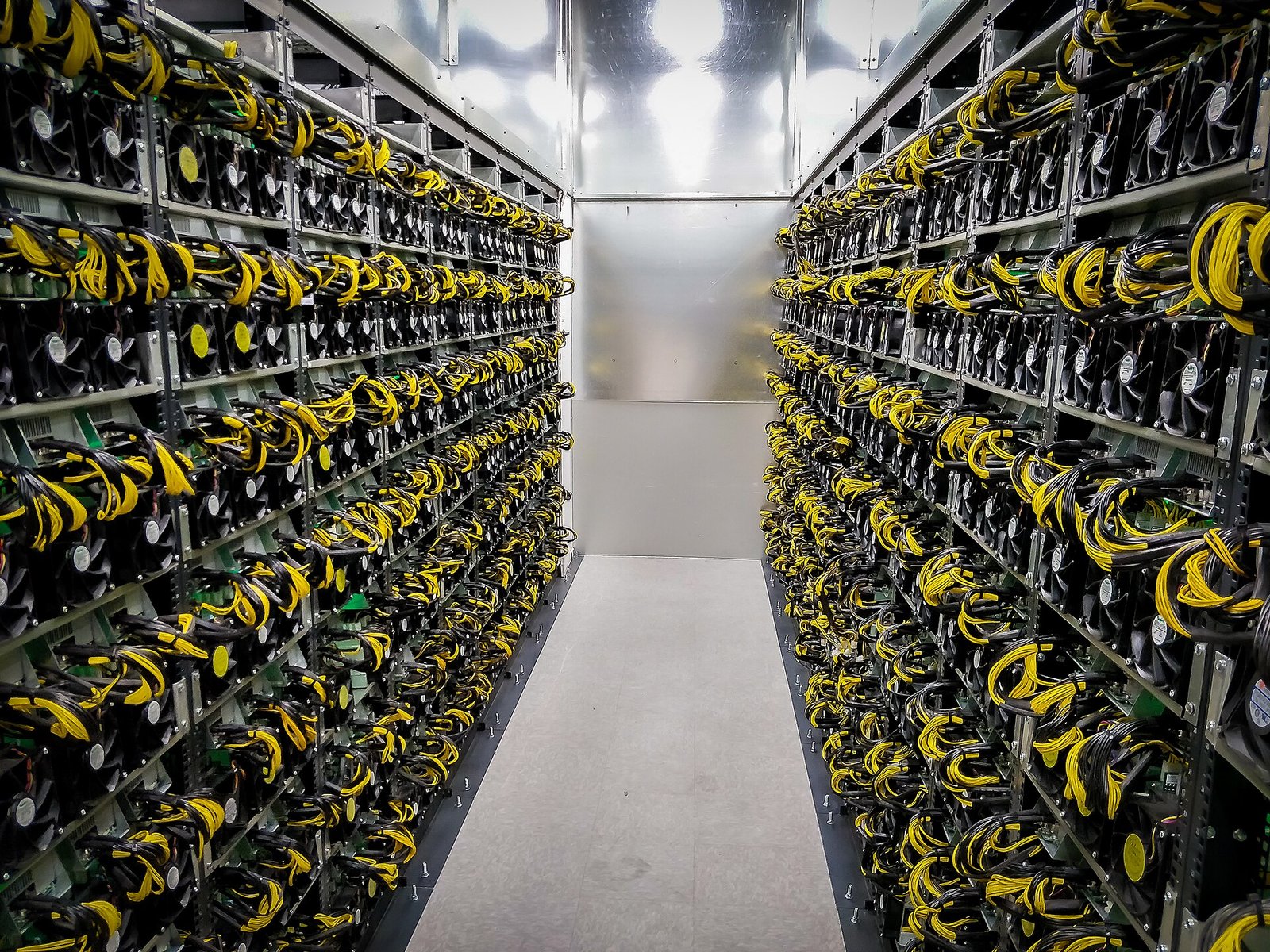
BitFuFu reported that it mined 137 BTC in October, a decline from 167 BTC in September, according to its monthly operating statement released November 6. The drop occurred even though the company's total hashrate under management remained largely unchanged at 19.5 exahashes per second (EH/s), compared with 19.4 EH/s a month earlier.
Difficulty weighs on production
BitFuFu attributed part of the production decline to a rise in Bitcoin network difficulty. The company said difficulty increased about 11.8% during October, from 132.76 trillion at the start of the month to 148.36 trillion at month-end. Higher difficulty means miners collectively must expend more computing power to find valid blocks, so a miner with an unchanged share of hashing power may capture a smaller share of rewards.
Self-mining falls, cloud mining steady
The split within BitFuFu's operations showed differing trends. Self-mining production fell to 67 BTC from 98 BTC in September, while cloud-mining production was nearly flat at 70 BTC, compared with 69 BTC the prior month. Total monthly production declined by 30 BTC, but the effect was not uniform across operating categories.
Treasury grows while production slows
BitFuFu held 1,454 BTC at the end of October, up from 1,388 BTC at the end of September. The increase in the company's Bitcoin balance alongside lower production reflects the distinction between coins mined and coins retained.
Efficiency improves, capacity slips
The company's average fleet efficiency improved to 16.3 joules per terahash from 16.7 in September. Lower energy use per unit of hashing can be beneficial, though it does not automatically offset higher difficulty, power prices, financing costs, or changes in Bitcoin's market price. BitFuFu also reported power capacity under management of 317 megawatts, down from 324 MW a month earlier.
Managed hashrate can include machines owned by clients or supplied by third parties, not just equipment on the company's balance sheet. Investors may therefore distinguish self-owned hashrate, contractual capacity, energy efficiency, and coins actually received when evaluating mining businesses.
What to watch in November
The next monthly update will show whether October's production weakness was temporary or persisted under the next difficulty environment. Metrics to watch include self-mined output, third-party mining contribution, installed and energised capacity, average fleet efficiency, and the amount of Bitcoin retained rather than sold.
BitFuFu's figures are unaudited operating metrics, not a full measure of profitability. They nonetheless illustrate that an operator can improve hardware efficiency while producing fewer coins, and that mining comparisons require more than a headline hashrate number.