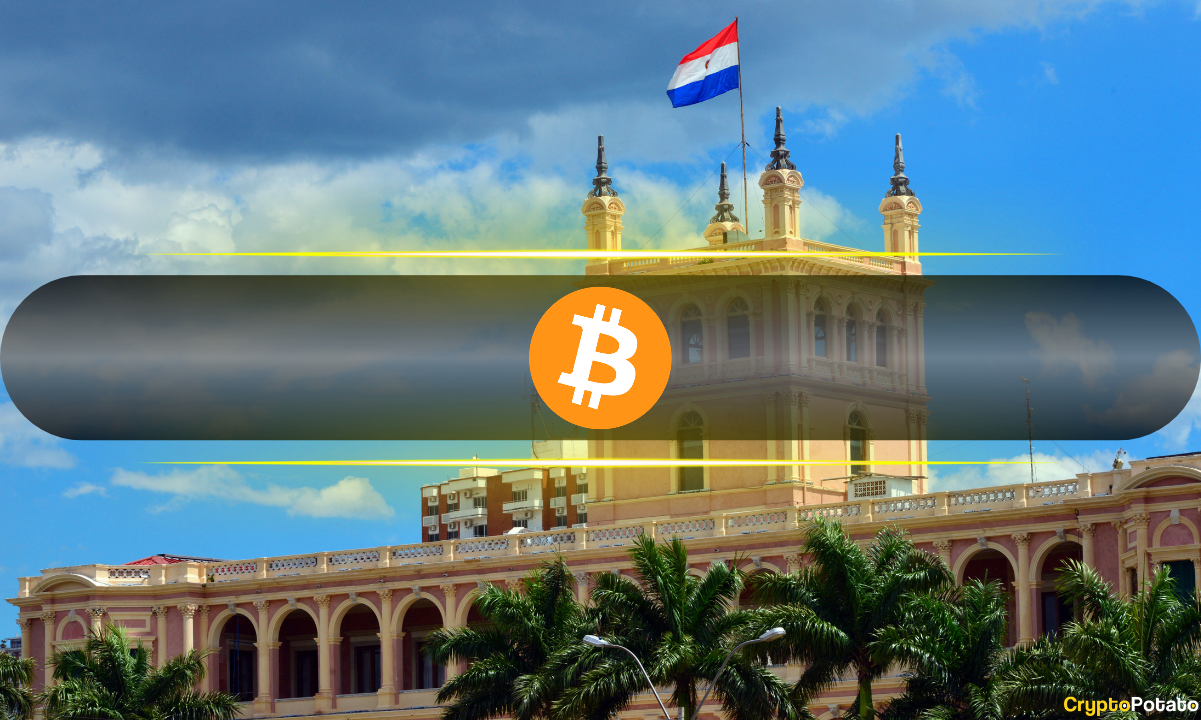
The collapse of Paraguay's Ueno Bank has escalated into a national financial and political crisis, drawing attention to the role of self-custodied bitcoin as an alternative to traditional banking. Regulators seized the fast-growing digital lender after it fell below minimum solvency requirements, triggering frozen accounts, protests, criminal investigations, and an impeachment battle involving President Santiago Peña.
From Fintech Star to National Crisis
Ueno Bank grew rapidly from a small fintech into a major Paraguayan lender, claiming roughly three million customers in a country of about 6.5 million people. It also claimed to have administered approximately $850 million in public funds, including money connected to state institutions and pension bodies.
The crisis intensified after the local central bank found that adjustments to Ueno's financial statements left its solvency ratio below half the legally required minimum, prompting resolution proceedings. Subsequent investigations scrutinized alleged excessive lending to companies linked to controlling shareholder Grupo Vázquez, insufficient documentation, and assets that regulators said had been improperly recorded. Prosecutors later charged bank executives and associates, and several senior figures were detained.
The situation escalated further due to political connections. President Peña previously owned a stake in Grupo Vázquez, though he claims he sold it in March 2025 and denies any wrongdoing. Former central bank chief Carlos Carvallo also previously headed Ueno's predecessor before being appointed to supervise the country's banking system; he resigned after the crisis erupted. Peña offered his resignation, but lawmakers rejected it and continued impeachment proceedings while prosecutors opened investigations into Ueno's oversight, its collapse, and the placement of public money at the institution.
Impact on Customers
For everyday customers, the problem is simpler: their money became inaccessible. Ueno's app, cards, and transfers stopped functioning, and demand for accounts elsewhere became so intense that other banks' digital services were disrupted. Paraguay's central bank has begun paying deposit guarantees and says deposits are protected up to ₲228.3 million (around $37,000) per depositor per institution, with the first groups already receiving money.
Bitcoin's Role and Limitations
Bitcoin can help to an extent, but not in the simplistic sense that it could "solve" Paraguay's banking crisis. The clearest advantage is self-custody: someone who already holds BTC in a wallet they control does not need permission from Ueno, the central bank, or any other central authority to access or transfer the bitcoins. A bank entering resolution cannot freeze BTC held outside its infrastructure.
Bitcoin could also provide an alternative rail for moving wealth internationally without waiting for a bank transfer system to reopen. In situations of institutional distrust or political instability, that optionality has real value.
However, practical issues remain. Buying bitcoin typically requires access to exchanges that are frequently funded via some sort of banking institution. Bypassing that requires technical knowledge that everyday consumers still lack. Purchasing BTC also requires internet connectivity, wallet security, and then finding someone who would accept BTC as legal tender. Self-custody comes with risks: if you lose your private keys, there is no deposit-guarantee fund to call.
Bitcoin does not fix all of this, but the Ueno crisis demonstrates one specific thing Bitcoin was designed to offer: an alternative asset that can be held without making a commercial bank the ultimate custodian of your savings.