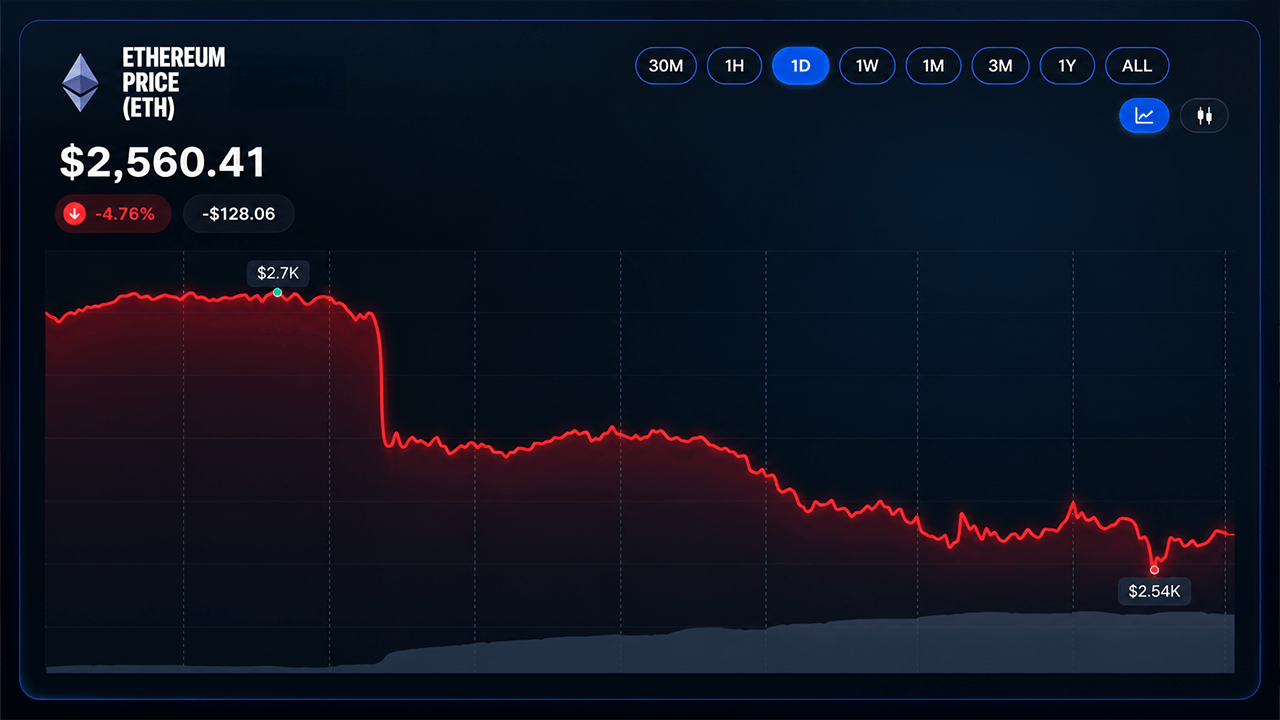
Bitwise CEO Hunter Horsley and MetaMask CEO Joseph Lubin both say the crypto winter is over, though they differ on timing. Speaking at TOKEN2049, the executives offered separate perspectives on market conditions to CNBC.
Horsley: Sellers Exhausted, Substance Grows
Horsley attributed the end of the bear market to sellers exiting the space and the sector's growing fundamentals. He pointed to institutions building in crypto, stronger usage and revenue numbers across platforms, and expanded access through exchange-traded funds (ETFs) and exchange-traded products (ETPs).
"I think the crypto winter is over. I think that the substance in the space has grown tremendously," Horsley said, adding that many investors are optimistic about the outlook.
He described current conditions as a sweet spot for institutions and wealth managers to build exposure, noting he hopes prices do not move too rapidly. On Bitcoin specifically, Horsley said he would not be surprised by a new all-time high next year, though he emphasized he was not offering Bitwise's official view.
Bitcoin traded at $83,309 at press time, down 2.39% over 24 hours and approximately 33.9% below its all-time high of $126,080 set on October 6, 2025. The cryptocurrency has experienced volatility as markets anticipated potential Federal Reserve rate decisions before year-end.
Lubin: The Thaw Came Earlier
Lubin offered a different timeline, stating the crypto winter ended some time ago depending on perspective. The Ethereum co-founder pointed to institutional recognition of Ethereum as a censorship-resistant settlement layer and its establishment as the leading smart contract platform.
He cited trends in stablecoins and real-world assets as evidence that digital assets are moving into decentralized finance (DeFi).
Regulatory Clarity Remains an Issue
Both executives addressed the Clarity Act, which failed to advance through the Senate. Industry participants viewed the setback as significant. However, Horsley said he sees no partners or clients waiting on the bill. Lubin expects the SEC and Commodity Futures Trading Commission (CFTC) to provide clarity through rulemaking and no-action letters.