Investors recently moved a record $7 billion into gold and Bitcoin funds over a five-day period, a movement that analysts attribute to a structural vulnerability in the traditional 60/40 portfolio. According to Bitwise CIO Matt Hougan, a standard 60/40 portfolio holds 60% in stocks and 40% in bonds, but both asset classes are priced in dollars and provide no protection if the fiat currency loses value.
Bloomberg senior ETF analyst Eric Balchunas referred to the movement as the debasement trade, representing a shift toward assets that governments cannot print. During the week leading up to August 21, SPDR Gold Shares (GLD) took in $3.4 billion, while BlackRock’s iShares Bitcoin Trust (IBIT) added just over $1 billion. Conversely, the VanEck Semiconductor ETF (SMH) experienced outflows of $1.7 billion as capital rotated out of artificial intelligence funds.
The market shift followed recent economic developments in Washington. US debt surpassed $40 trillion on August 19, and the 30-year Treasury yield reached 5.337% earlier in the month, its highest level since 2007. In response, Treasury Secretary Scott Bessent announced plans to double long-bond buybacks to at least $4 billion per operation starting September 9. Markets interpreted the strategy as an effort to cap yields amid wide deficits, contributing to a decline in the US Dollar Index to a three-month low near 98.8 on August 21, while the euro touched its strongest level since mid-May at $1.1711.
Central banks have also adjusted their reserves. European Central Bank figures show that by late 2025, gold accounted for 27% of central bank reserves, surpassing US Treasuries at 22%.
Despite the broader adoption of hard assets, market observers disagree on the inclusion of cryptocurrencies. Robin Brooks, a senior fellow at the Brookings Institution, stated that while buybacks signal further dollar weakness, bitcoin should not be viewed in the same category as precious metals or considered a safe haven.
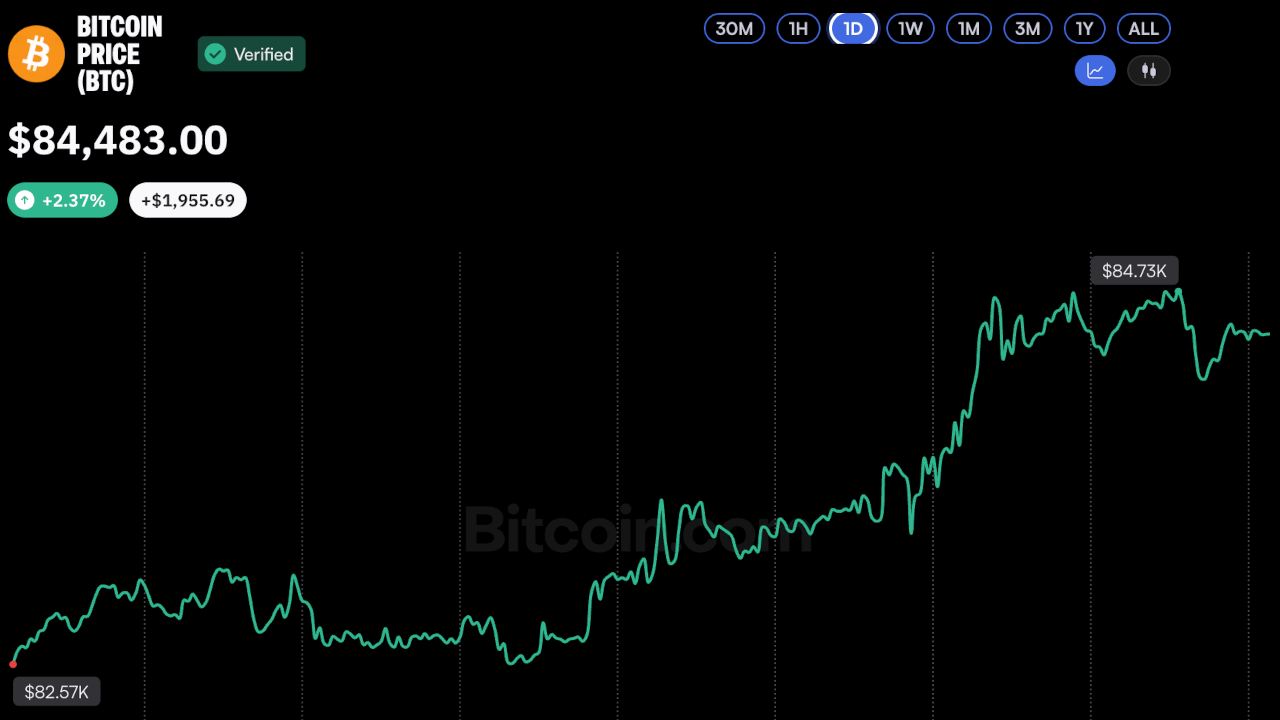
Market performance figures show Bitcoin trading near $78,046, while gold's primary ETF is up approximately 8% in 2026 following a weak summer. BlackRock's IBIT remains down roughly 10% for the year, though daily Bitcoin ETF inflows reached $606 million on August 20, marking the largest single day since May 1 and erasing earlier year-to-date losses.