BlackRock’s Managing Director and Head of Digital Assets, Robert Mitchnick, stated that Bitcoin’s fundamental investment case is strengthening as US fiscal conditions deteriorate. Speaking to CNBC, Mitchnick highlighted that federal debt has risen past $40 trillion, with annual interest payments approaching $1 trillion.
The current interest bill consumes over 14% of total federal spending, matching what the government spends on defense. Mitchnick previously identified US fiscal deterioration as a primary fundamental driver for Bitcoin, citing growing borrowing levels and the risk of reliance on money printing to meet obligations.
According to this logic, when sovereign balance sheets weaken, assets outside the control of any single government, such as Bitcoin and gold, become more attractive to institutional allocators. BlackRock’s iShares Bitcoin Trust (IBIT) continues to position Bitcoin as a portfolio diversifier for institutional clients.
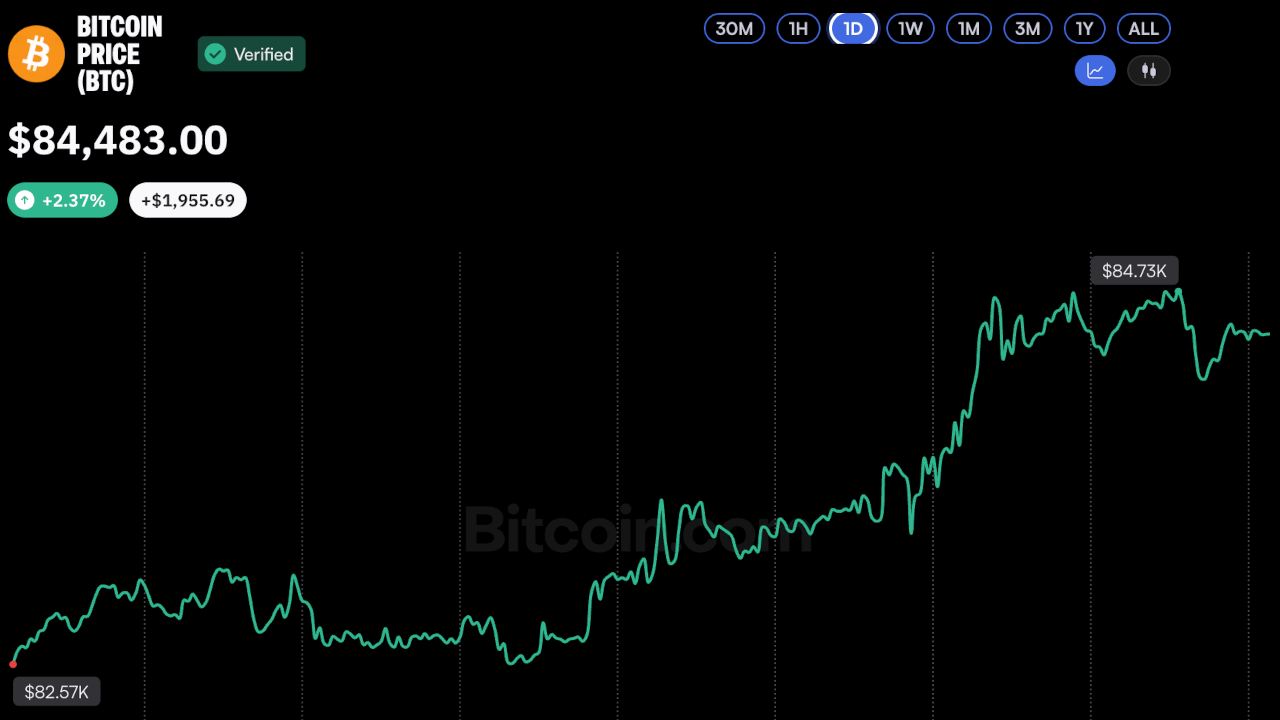
This macroeconomic perspective arrives following a notable market drawdown. After peaking near $126,000 in October 2025, Bitcoin experienced a decline of approximately 49%, trading near $64,500 by mid-June 2026. This downturn was partially attributed to capital rotation into artificial intelligence investments throughout late 2025 and early 2026. However, Mitchnick expressed optimism regarding the recovery, interpreting the rebound to $64,500 as evidence that selling pressure was exhausting itself.
Unlike previous cycles driven primarily by retail enthusiasm and crypto-native funds, this cycle features participation from traditional asset managers, sovereign wealth funds, and pension allocators via spot Bitcoin ETFs launched in early 2024.
Mitchnick also downplayed the immediate impact of regulatory developments on Bitcoin specifically, noting that stalled legislation such as the CLARITY Act is less critical for Bitcoin than for other sectors of the industry. Because spot ETFs have already been approved and Bitcoin is widely treated as a commodity rather than a security, the asset occupies a distinct regulatory position.
For market participants, observing renewed ETF inflows serves as an indicator of whether institutional capital is actively positioning around the macroeconomic thesis of long-term US dollar purchasing power erosion.