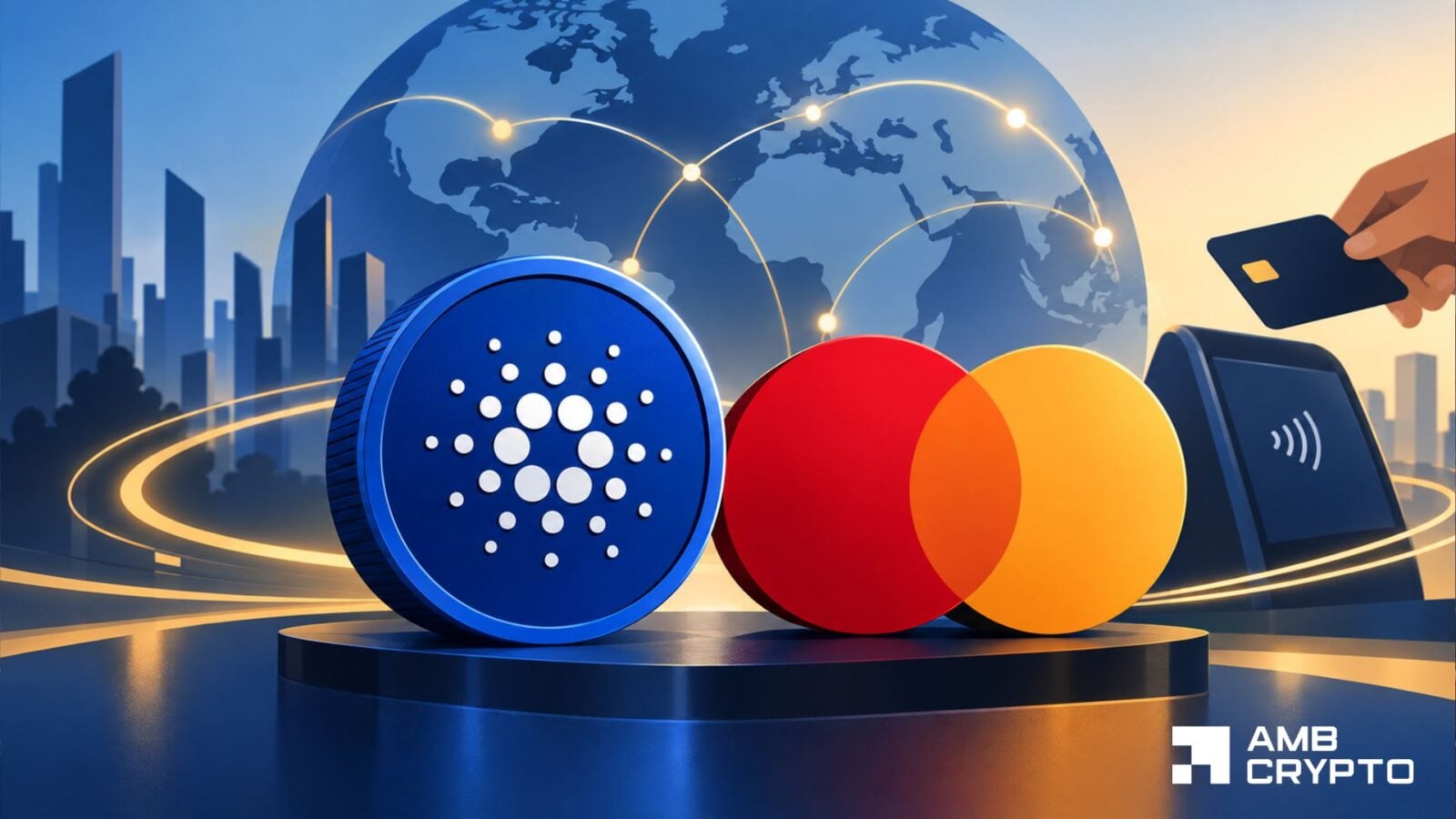
Cardano has joined Mastercard's Crypto Partner Program, positioning itself alongside other blockchain projects exploring payment applications. The Cardano Foundation's participation focuses on developing cross-border payments, business-to-business transactions, stablecoins, and settlement solutions.
The partnership provides Cardano access to established participants in the global payment space to explore potential use cases on its network. However, the agreement does not indicate that Mastercard will directly integrate Cardano into its payment platform. Instead, it represents opportunities for future collaboration that may lead to additional applications if discussions progress to concrete payment implementations.
Stablecoin Liquidity Remains a Challenge
For Cardano to support the payment applications targeted by Mastercard's program, it must build sufficient stablecoin liquidity. The network currently holds approximately $60 million in stablecoin assets, with USDCx comprising over 70% of dollar-denominated assets available to users.
Most stablecoin activity on Cardano occurs within decentralized finance applications rather than real-world payments. Mastercard's program focuses on cross-border transfers, B2B payments, and settlement—use cases that require meaningful liquidity to process larger transaction volumes. Increased circulation of stablecoins, active user wallets, and higher transfer volumes would be necessary to demonstrate genuine payment demand.
User Adoption and Network Activity
Cardano's payment potential depends on user adoption and transaction frequency. The network reports approximately 10,000 daily active users, while monthly active accounts reach 323,600. Despite low average transaction fees of $0.06, which support small, high-volume transfers, the key question remains whether users are actually utilizing stablecoins for payments.
Sustained growth in stablecoin transfers, payment wallet usage, and transaction frequency would indicate whether the Mastercard partnership has practical significance or remains largely theoretical.