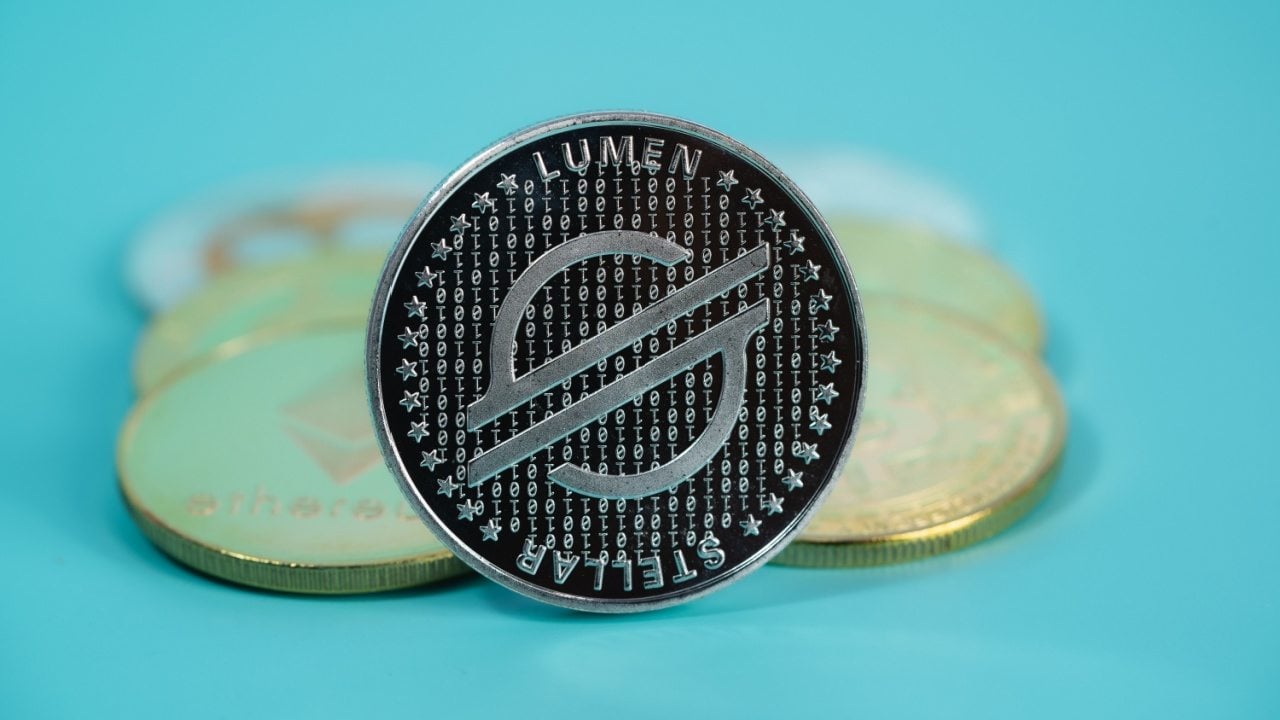
Chainlink's data infrastructure is now operational on the Stellar blockchain, providing market data to decentralized finance applications across a network that already hosts more than $4 billion in tokenized real-world assets.
The Stellar Development Foundation announced that Chainlink's Data Feeds and Data Streams are available to developers. The integration supports lending platforms, prediction markets, perpetual futures exchanges, and other blockchain-based financial services on Stellar.
Expanding Stellar's DeFi Capabilities
Chainlink's oracle technology supplies external market information to blockchain applications, allowing smart contracts to access pricing data. This enables functions such as determining collateral values, calculating loan-to-value ratios, and triggering automated liquidations.
According to the foundation, Stellar ecosystem applications are already adopting the infrastructure to support lending operations and stablecoin pricing. The integration represents an effort to expand Stellar's role beyond issuing and transferring tokenized assets, enabling those assets to be traded, used as collateral, and incorporated into more sophisticated financial products.
The launch follows Stellar's earlier decision to join the Chainlink Scale program, under which the network committed funding to make Chainlink's infrastructure more affordable for developers. The broader partnership also includes plans to integrate Chainlink's Cross-Chain Interoperability Protocol, though that component was not included in the latest announcement.
Building Institutional-Scale Markets
Raja Chakravorti, chief business officer at the Stellar Development Foundation, stated that tokenizing assets represents only the first stage of developing blockchain-based financial markets. Institutional-scale markets require dependable systems for pricing, execution, and asset movement, he said.
For Stellar, the integration aims to transform its growing inventory of tokenized assets into a more active financial ecosystem, where capital can be borrowed against, traded, and deployed across decentralized markets. This development comes as blockchain networks compete to attract financial institutions and developers seeking to bring traditional financial assets onchain.