A confrontation broke out during a Commodity Futures Trading Commission (CFTC) Innovation Advisory Committee meeting, highlighting debates over the regulation of event contracts and prediction markets. The size of the prediction market grew significantly, reaching $63.5 billion in 2025 compared to $16.5 billion in 2024, as platforms increasingly interact with crypto settlement systems.
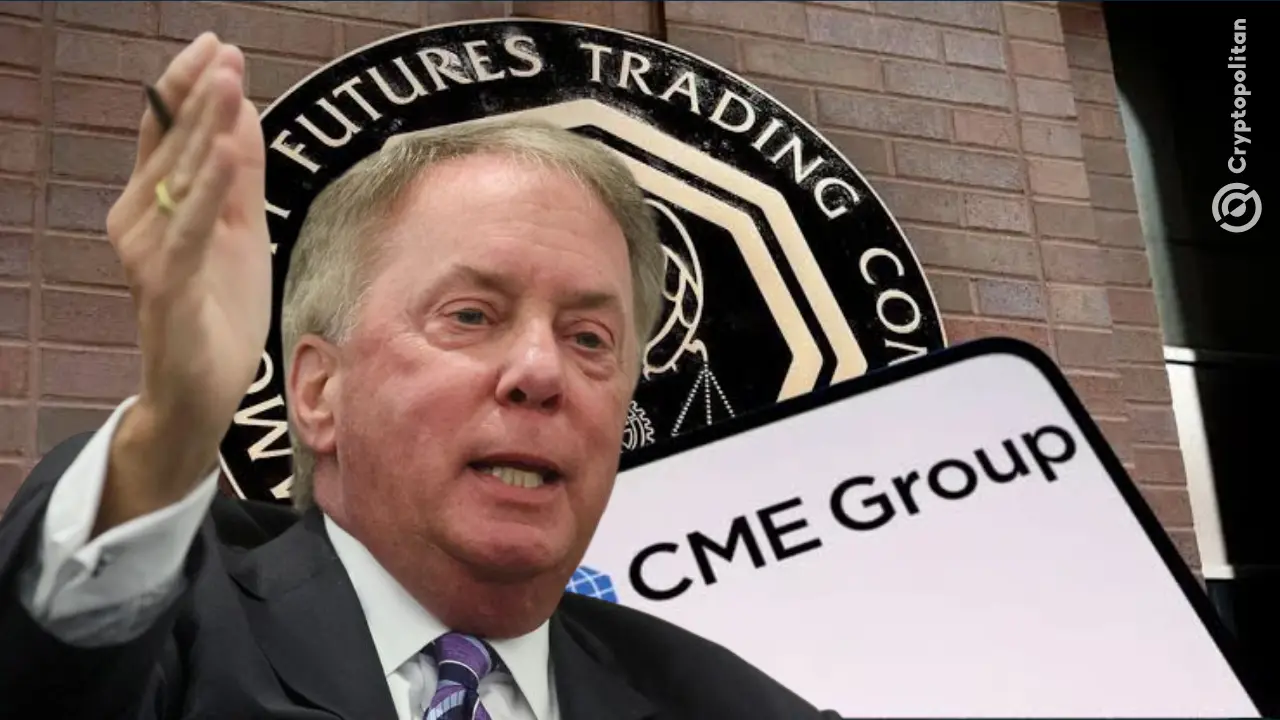
During the meeting, CME Group CEO Terrence Duffy criticized the volume of self-certified event contracts issued by exchanges rather than submitted for formal review. Duffy pointed to speculative contracts concerning statements by President Donald Trump during a State of the Union address and the potential removal of Venezuelan President Nicolás Maduro, warning that such contracts are susceptible to manipulation by dishonest actors.
CFTC Chair Michael Selig challenged Duffy's examples, stating that the specific contracts cited were listed offshore rather than in the United States. While Selig asserted that the CFTC maintains exclusive jurisdiction over prediction markets, various state authorities argue that these products constitute gambling subject to state law.
The regulatory scrutiny follows recent media attention surrounding insider-trading scandals. Notably, a U.S. soldier was charged with placing bets on the capture of Venezuela's President Maduro using classified information, and a teleprompter operator for Donald Trump faced suspicion regarding bets on Kalshi involving State of the Union events. In response to these incidents, lawmakers have proposed restrictions, and the Senate passed a measure barring its members from trading on prediction markets, while Kalshi and Polymarket introduced new controls.
The debate also involved a direct exchange between Duffy and Kalshi Chief Operating Officer Luana Lopes Lara regarding corporate size and regulatory oversight. The ongoing dispute extends to the legal system, as CME previously filed a lawsuit against the CFTC and Selig in June concerning the regulatory approval of Kalshi, arguing that the products should fall under swaps rules rather than futures regulation.