The crypto Fear and Greed Index climbed to 62 on Thursday, marking a Greed reading that wiped out the previous day's score of 46. The 16-point daily jump ranks among the sharpest sentiment swings of 2026.
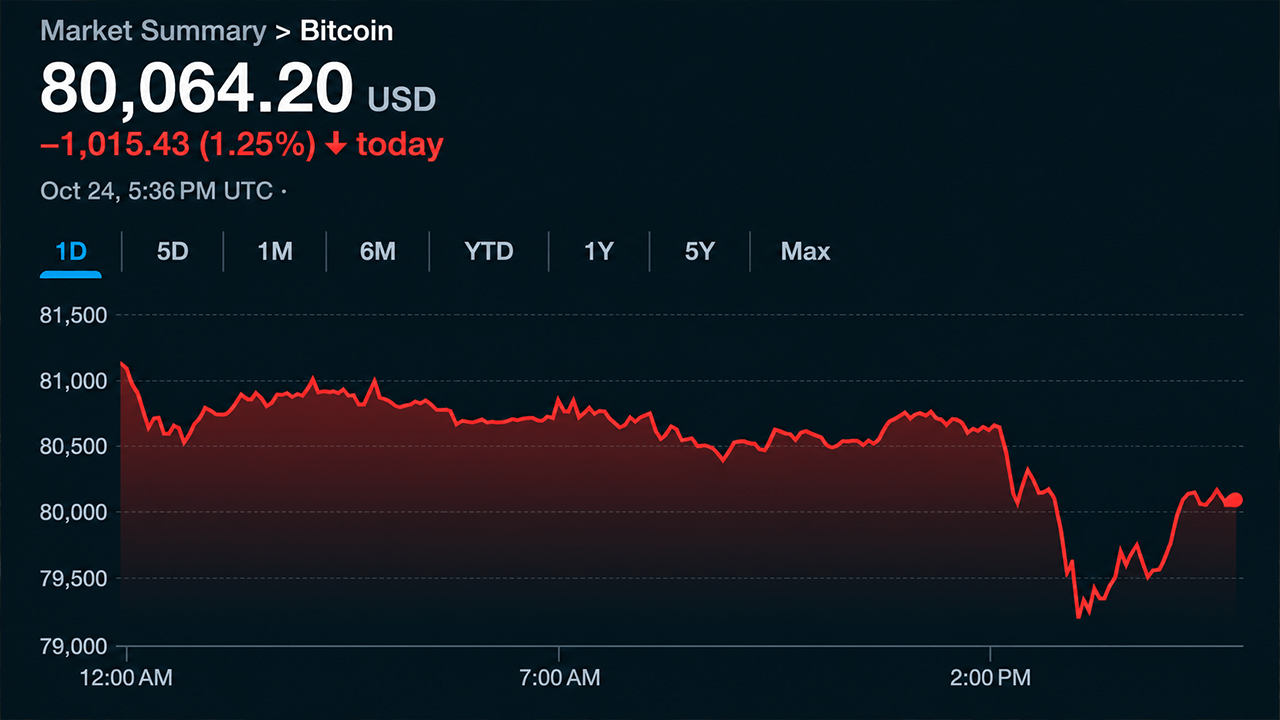
Bitcoin drove the shift, gaining 8.8% over a 24-hour period to trade near $69,803, while ether and other major digital assets posted even larger moves. Ether led the majors with an 18.5% daily gain to reach $2,259. Solana added 11.9%, and XRP rose 11.2%, bringing Bitcoin's market capitalization back to approximately $1.4 trillion.
What Pushed the Index Into Greed
The sentiment scale runs from zero to 100, with readings above 50 indicating Greed and scores near 25 signaling Extreme Fear. Thursday's print marks the highest level on the index's 30-day chart, following readings of 29 last week and 25 a month ago.
The index blends five inputs, with volatility and market momentum carrying the most weight at 25% each. Both metrics shifted rapidly as prices moved. Short sellers accelerated the upward price movement, with roughly $1.23 billion in bearish positions unwound during the rally, forcing traders to buy back exposure at higher prices.
Additional inputs include social media activity and Google search interest, which account for another quarter of the score, alongside weekly investor surveys and Bitcoin dominance.
Factors Requiring Caution
Despite the rapid sentiment shift, market context reveals potential vulnerabilities. Exchange stablecoin reserve data indicates that stablecoin balances held on exchanges have dropped by about 20%, leaving less idle cash available to absorb potential selling pressure.
Furthermore, the leverage that fueled the price rally through short liquidations also leaves fewer bears remaining to be squeezed in future sessions. Analysts note that a quiet trading session could cause volatility and momentum scores to reverse direction quickly.