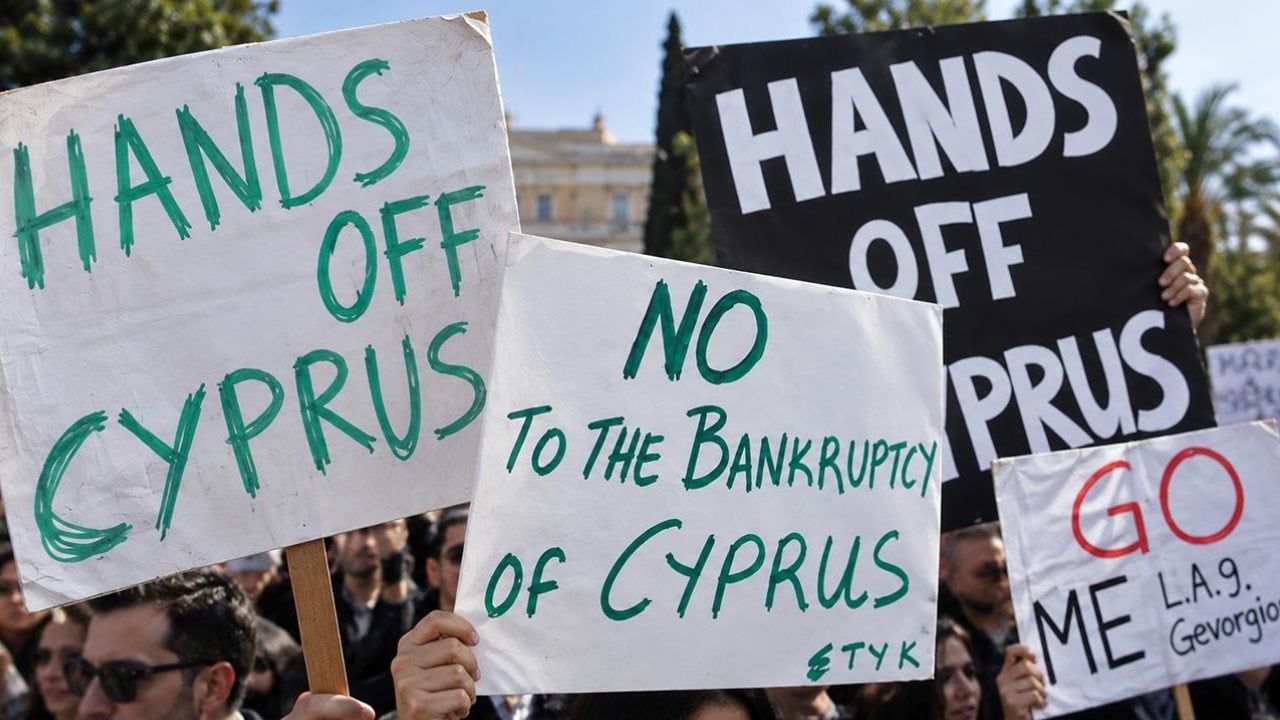
Cyprus' banks locked their doors in 2013, freezing transfers, rationing cash, and placing depositors' savings out of reach. The crisis unfolded as the island's banking system collapsed under heavy exposure to Greek government debt and eroding asset quality. Authorities imposed temporary restrictions on domestic and cross-border transfers to stem deposit outflows.
The restructuring imposed severe losses on depositors and shareholders. A proposed levy of 6.75% on deposits below 100,000 euros and 9.9% above that threshold was rejected by parliament, but the final agreement proved harsh nonetheless. The Bank of Cyprus converted 47.5% of its uninsured deposits into shares. Laiki Bank was dissolved, with insured accounts transferred and uninsured deposits left in liquidation. Capital controls remained in place until April 2015, even after banks reopened.
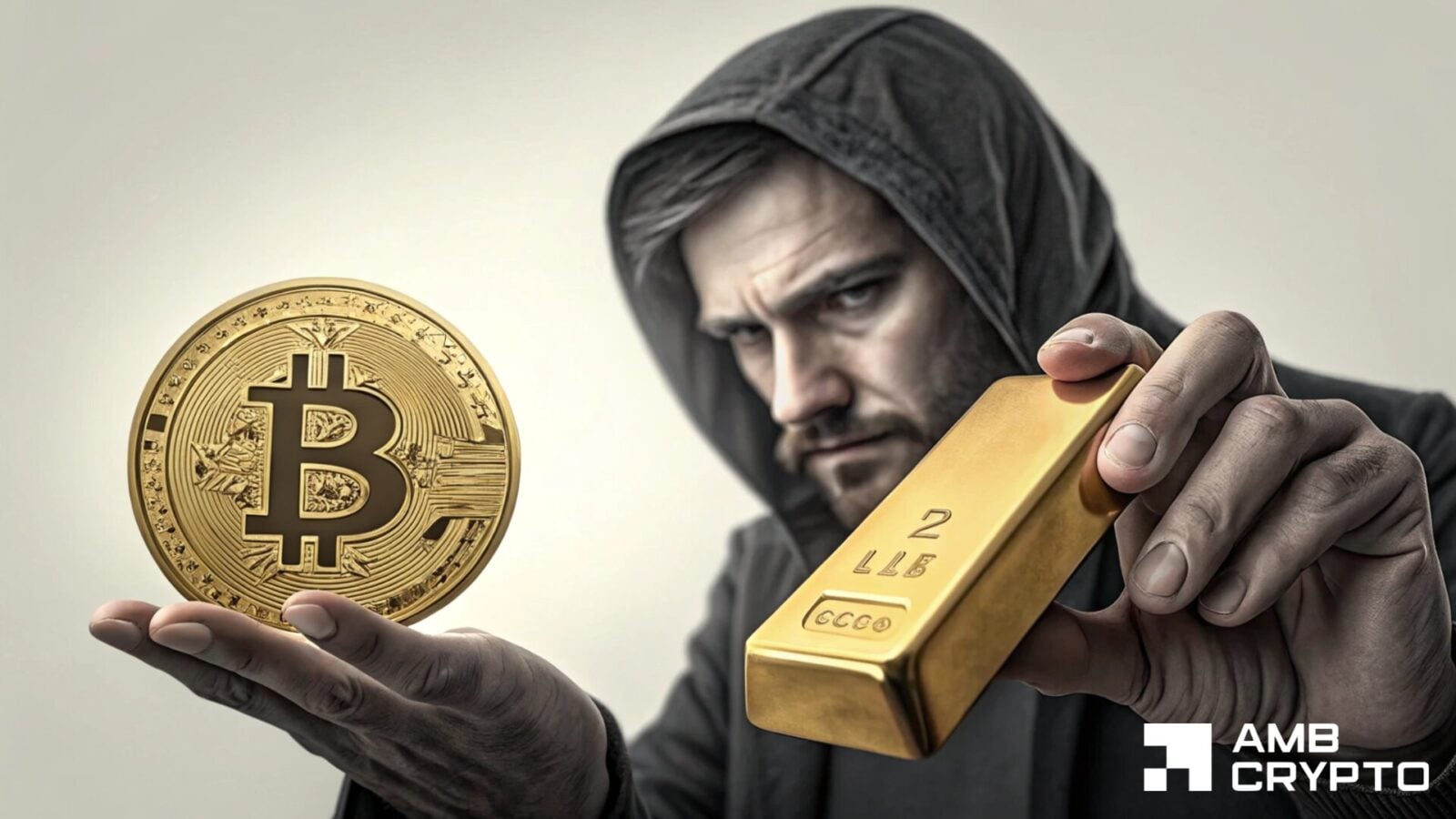
During this period, bitcoin's price climbed sharply. On March 15, 2013, bitcoin traded around $47. By April, it had peaked near $265. Bitcoin's market value crossed $1 billion on March 28, the day Cypriot banks reopened behind capital controls. The timing drew attention to bitcoin as a potential alternative to traditional banking systems.
The University of Nicosia became an early adopter, accepting bitcoin for tuition in November 2013 and announcing a master's degree in digital currency. This institutional move gave Cyprus an enduring connection to cryptocurrency beyond the immediate crisis and price surge.
The documentary also examines broader questions of financial control. Telegram founder Pavel Durov purchased bitcoin in 2013 while facing political pressure in Russia, illustrating how concerns about institutional access to assets extend beyond banking crises to state censorship and control. The European Union adopted its Bank Recovery and Resolution Directive following Cyprus, while the U.S. had already established frameworks under Dodd-Frank in 2010, establishing rules for who pays when financial institutions fail.
The central question the documentary raises is whether traditional banking offers adequate protection for deposits. Bitcoin is presented as an asset that can be held through self-custody, where users maintain direct control of private keys rather than relying on institutional intermediaries. When Cyprus' banks reopened, depositors found their savings still restricted—visible on screens but beyond their control.