DeepSeek, a Chinese AI laboratory, has appointed Yan Wentao, a partner at GL Ventures, as its first chief financial officer. The appointment signals the company's preparation for a potential initial public offering and reflects its transition toward more traditional financing structures.
Founded in 2023 and initially funded by its founder's quantitative hedge fund High-Flyer, DeepSeek began seeking external funding earlier this year. Yan, born in 1991, has invested in AI companies including MiniMax and brings experience in venture investing and financial markets to the role.
IPO Plans and Valuation
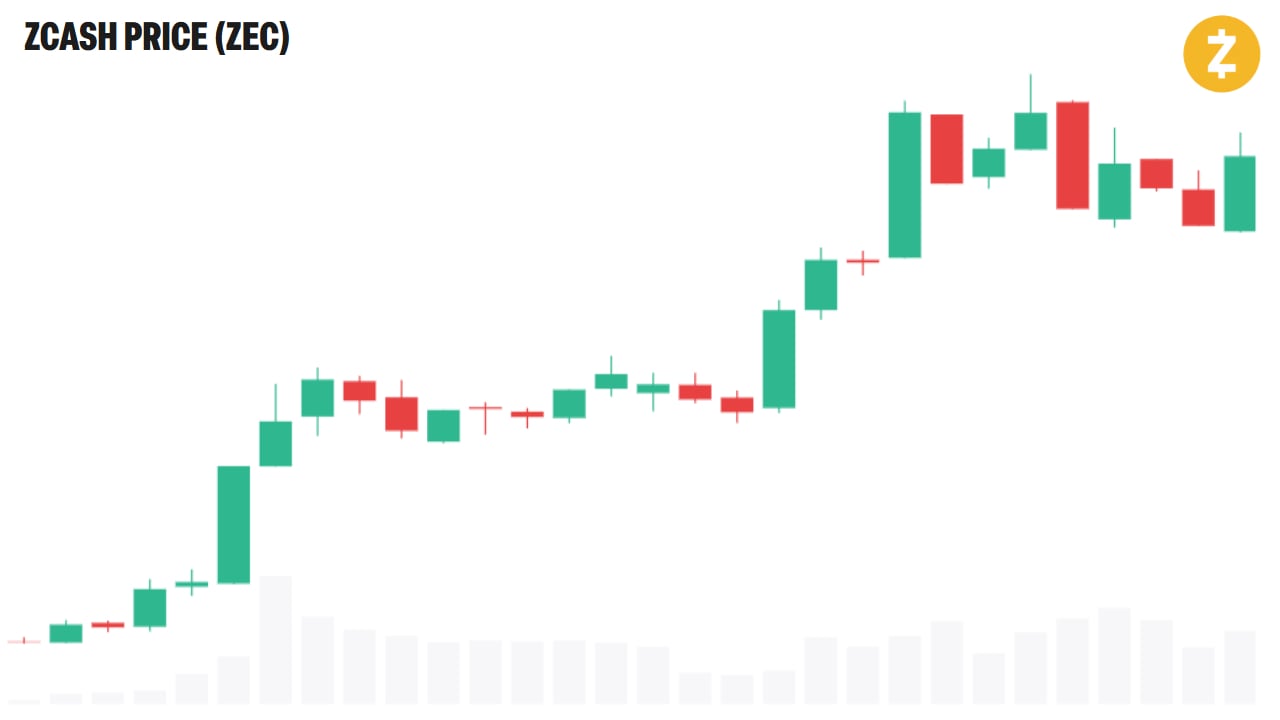
According to the South China Morning Post, DeepSeek has appointed underwriters including CITIC Securities and aims to launch its IPO this year on the STAR Market in Shanghai. The company is securing financing ahead of the listing, with an anticipated valuation around ¥500 billion, or approximately $74 billion.
In the current funding round, DeepSeek seeks to raise ¥50 billion. A previous investment round in June valued the company at ¥350 billion after final valuations, down from an initially estimated ¥450 billion. Major Chinese entities including Tencent and CATL participated in that round alongside other private investors.
In June, the Shanghai Stock Exchange published guidelines for a fifth set of listing criteria for "large-model companies," requiring that firms demonstrate at least one operating model in widespread use. The exchange acknowledged the sector's need for significant computing power and specialized talent investments.
Competitive Pricing Strategy
DeepSeek's competitive advantage centers on its pricing model. Research by Juniper Research indicates that Chinese AI models operate at costs up to 90% lower than popular U.S. alternatives, a significant consideration for organizations operating large data centers.
The DeepSeek-V4.1-Flash model demonstrates this pricing edge. According to VentureBeat, the model achieves a cached-input rate of $0.003, compared to $0.40 for GPT-5.6 Sol and $0.50 for Claude Opus 5.
Narrowing Performance Gap
Historically, cheaper AI models lagged behind premium options in performance, but this trend is shifting. Stanford's 2026 AI Index reports that top-performing U.S. AI models were only 2.7% ahead of leading Chinese models as of March 2026, with the two countries swapping rankings in numerous metrics since early 2025. RAND research indicates U.S. and Chinese AI models are converging in architecture, commercial positioning, and foundation model development approaches.
Enterprises have begun evaluating Chinese technology options based on cost. Airbnb and Siemens are exploring Chinese AI systems, while Thomson Reuters adopted Alibaba's Qwen in place of Claude for document review tasks. While U.S.-based models retain advantages for complex tasks, alternatives are gaining adoption.