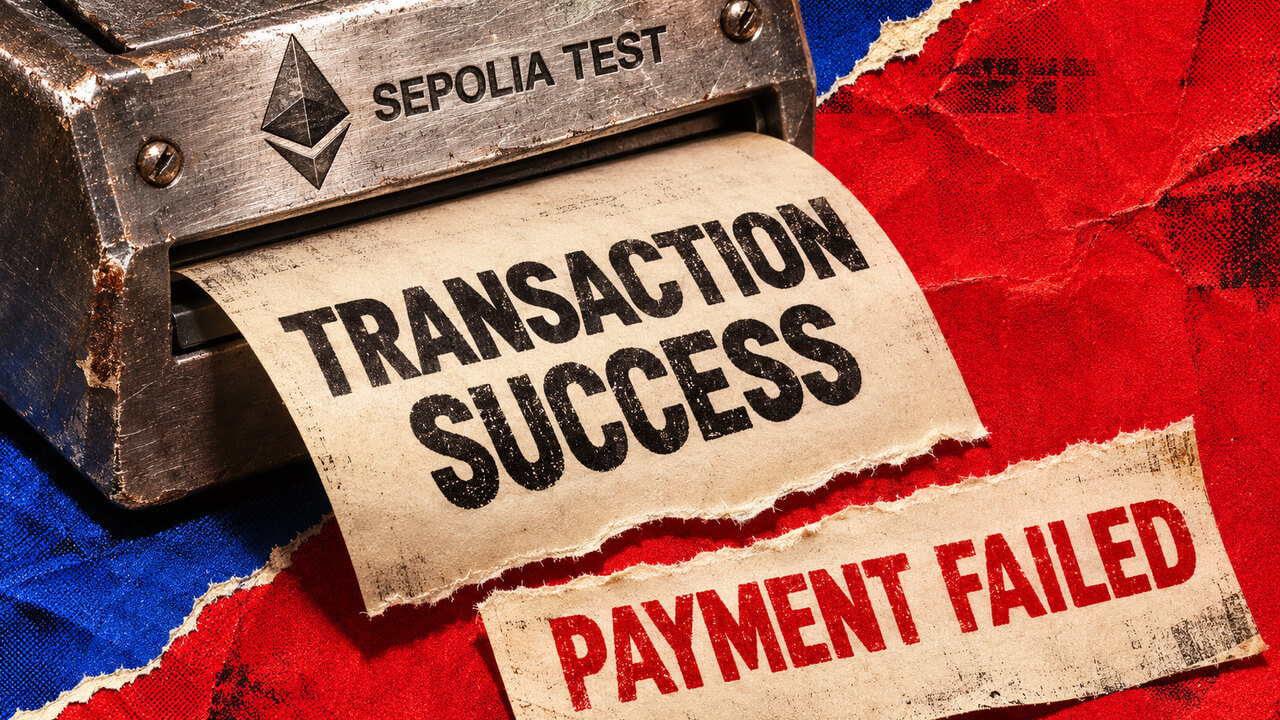
Tests of Ethereum's proposed Glamsterdam upgrade reveal a potential reliability issue: transactions can succeed while payments inside them fail, according to developer-published simulations of Juicebox V6's project-payment contracts.
Four tested paths on the Sepolia test network produced this outcome, giving core developers concrete examples of how the protocol changes could alter application payment guarantees. The Nov. 14 simulations examined Juicebox V6 contracts that route payments between projects.
Specific Issues Identified
The published results include scenarios where a buyer receives an NFT while its associated payment to another project fails, and a cash-out completes while a 2.5% fee is forgiven. In one test, a successful transaction skipped a split to another project, leaving funds in the paying project instead.
In cash-out tests, certain gas limits in the 679,622-to-817,622 range allowed withdrawals to complete without paying the fee. A reserved-token distribution also completed despite a failed cross-project payment, with the beneficiary receiving raw tokens instead.
Technical Root Cause
The distinction stems from which operation runs out of gas first. Under the tested Glamsterdam rules, an internal payment that writes fresh storage can fail before the outer transaction does. The contract's try/catch error handling absorbs that failure and lets the surrounding operation finish.
Simulations on Ethereum's mainnet showed only transaction failures or complete delivery across the sampled ranges for all four paths, suggesting the issue is specific to Glamsterdam's proposed changes.
Protocol Changes Under Review
EIP-8037 proposes higher costs for creating persistent blockchain data, while EIP-8038 updates the costs of accessing and writing state. Both changes aim to support more throughput while controlling resource demands.
Ethereum's Nov. 16 testing-call agenda explicitly lists Juicebox's compatibility concerns. The Ethereum Foundation's Nov. 9 update recommended reviewing public audit findings before deciding on specification changes, with Nov. 19 scheduled for discussion of findings and possible next steps.
Note: These are developer simulations, not independently reproduced. No live incident or network-wide exposure has been established.