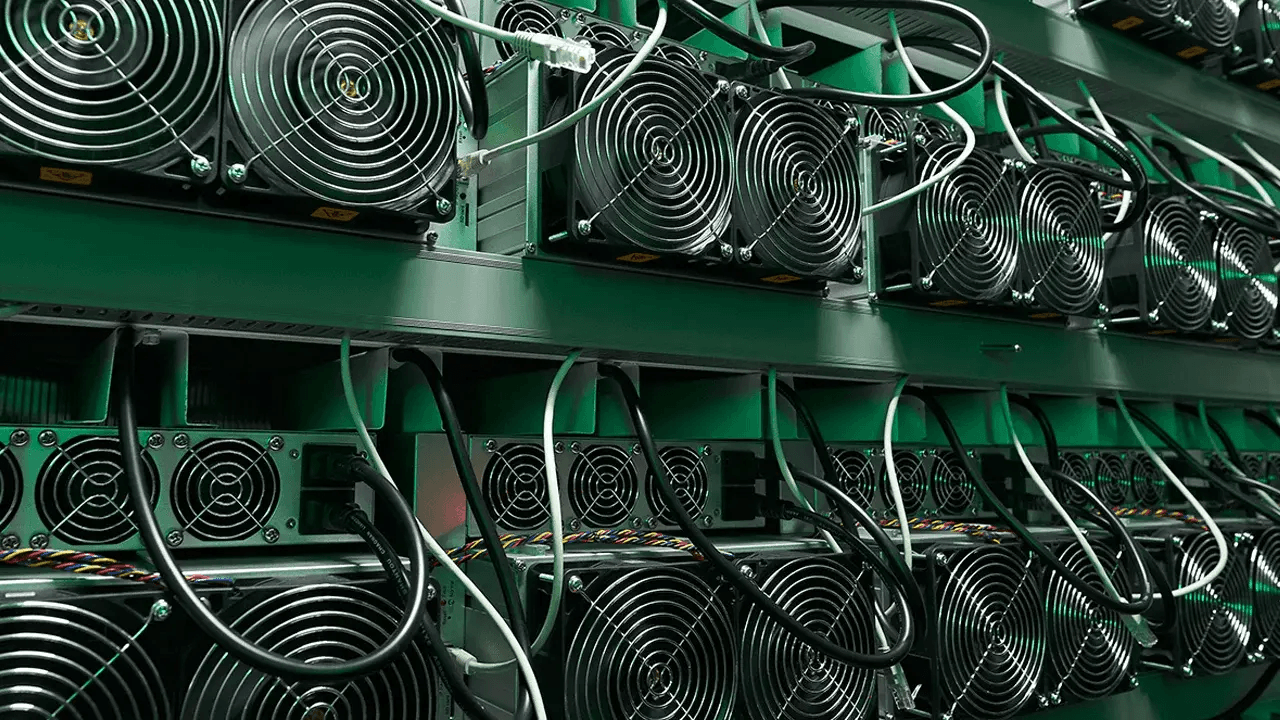
Ethiopia has reduced electricity deliveries to bitcoin miners to just 23% of their contracted power supply, down from 75%, after El Niño weather patterns reduced reservoir inflows by approximately 20%. The cuts mark a sharp reversal for an industry that had become a major customer and revenue source for Ethiopian Electric Power (EEP).
Bitcoin miners in Ethiopia had grown to consume roughly one-third of the country's electricity while generating about 35% of EEP's revenue. Miners paid approximately 50.4 billion birr last year, more than what Ethiopia's national distribution utility paid EEP. The arrangement had attracted multiple international mining operations, including Phoenix Group, Canaan, Bitfufu, Bitdeer, Dahab Miners, and Sazmining.
The power cuts reflect a fundamental constraint: hydropower supplies roughly 95% of Ethiopia's electricity, making water availability critical. The Grand Ethiopian Renaissance Dam (GERD), which alone produced 18.3 terawatt-hours last year—roughly 52% of the country's electricity—has seen declining inflows. Falling reservoir levels have cost some generating units as much as 50 megawatts each.
Domestic and industrial customers have moved ahead of miners in the priority queue. According to one estimate, mining a single bitcoin in Ethiopia consumes roughly 6.4 million kilowatt-hours annually, equivalent to the electricity use of approximately 14,950 average Ethiopian households. With about half the country's population still lacking electricity access, the political calculation favors residential consumers.
EEP plans to reassess the situation in October, with the possibility of deeper cuts if reservoir levels do not recover. The utility has already cut its electricity-export revenue forecast by 40% to $279 million. Power exports to neighboring countries could also face restrictions if inflows remain low.
Ethiopia accounts for approximately 2.4% of the global hashrate, or roughly 23 exahash per second, according to available metrics. While not a network-critical share for bitcoin mining globally, the cuts pose significant financial pressure for operations built around the country's previously abundant and inexpensive hydropower.