Market traders are positioning for an extended period of tighter monetary policy, with CME FedWatch data indicating a 4.75% to 5% federal funds rate as the likely outcome by June 2027. This would represent four quarter-point rate increases from the current 3.75% to 4% range, following a 25 basis point hike already implemented this month.
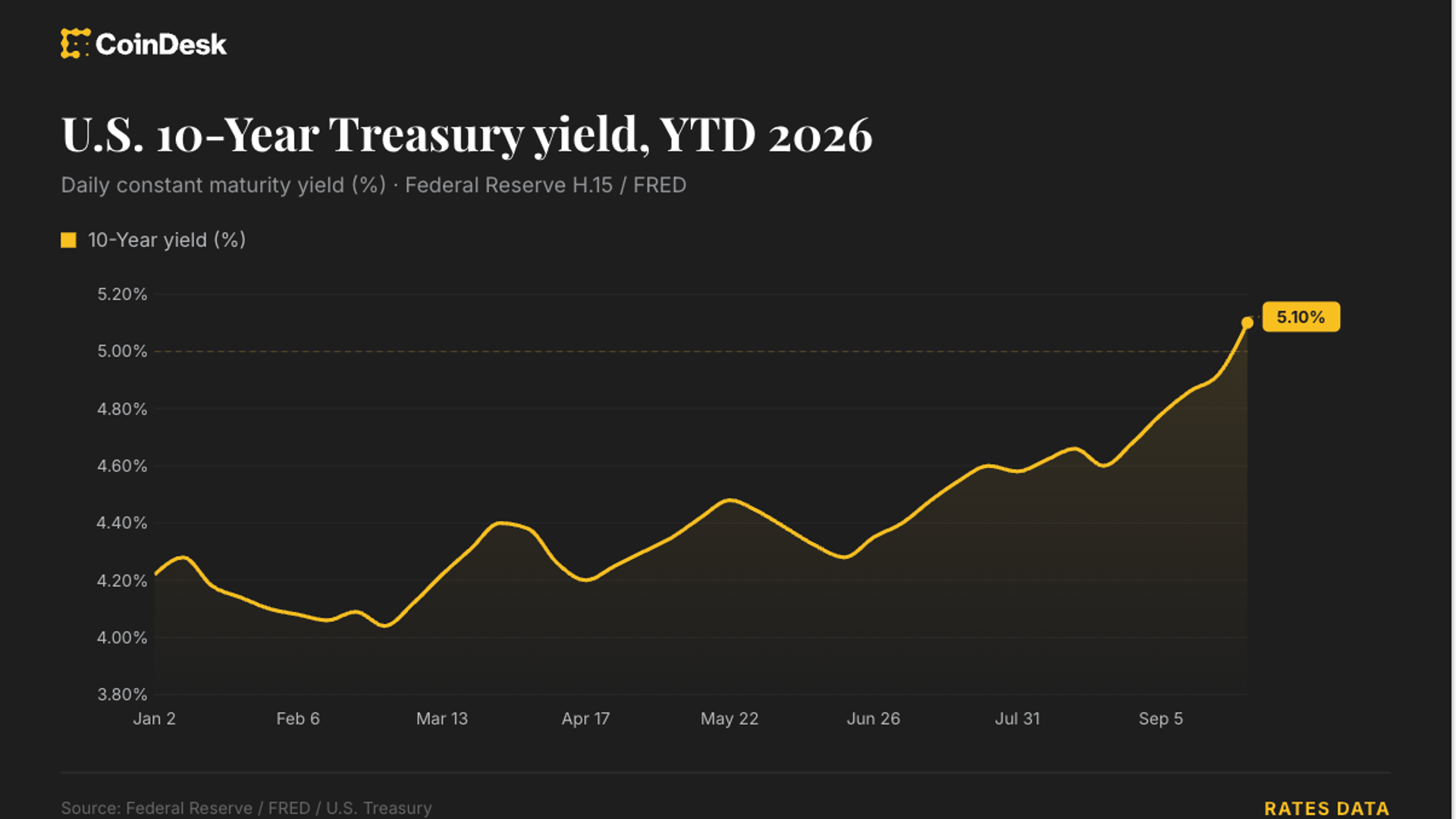
U.S. Treasury yields have climbed across the entire curve, with the 10-year yield now above 5.1%—levels not seen since 2007—while the 20-year yield approaches 5.5%. These increases reflect expectations of sustained higher interest rates and have driven the long-bond ETF (TLT) to all-time lows below $80.
Several factors are contributing to rising yields. The U.S. economy remains robust, with the S&P Global composite PMI reaching 58.4 in September, exceeding expectations. Additionally, Middle East tensions have created uncertainty around inflation outlooks, supporting higher oil and diesel prices. Heavy capital demands for AI infrastructure have also increased bond supply competing with Treasuries for investor demand.
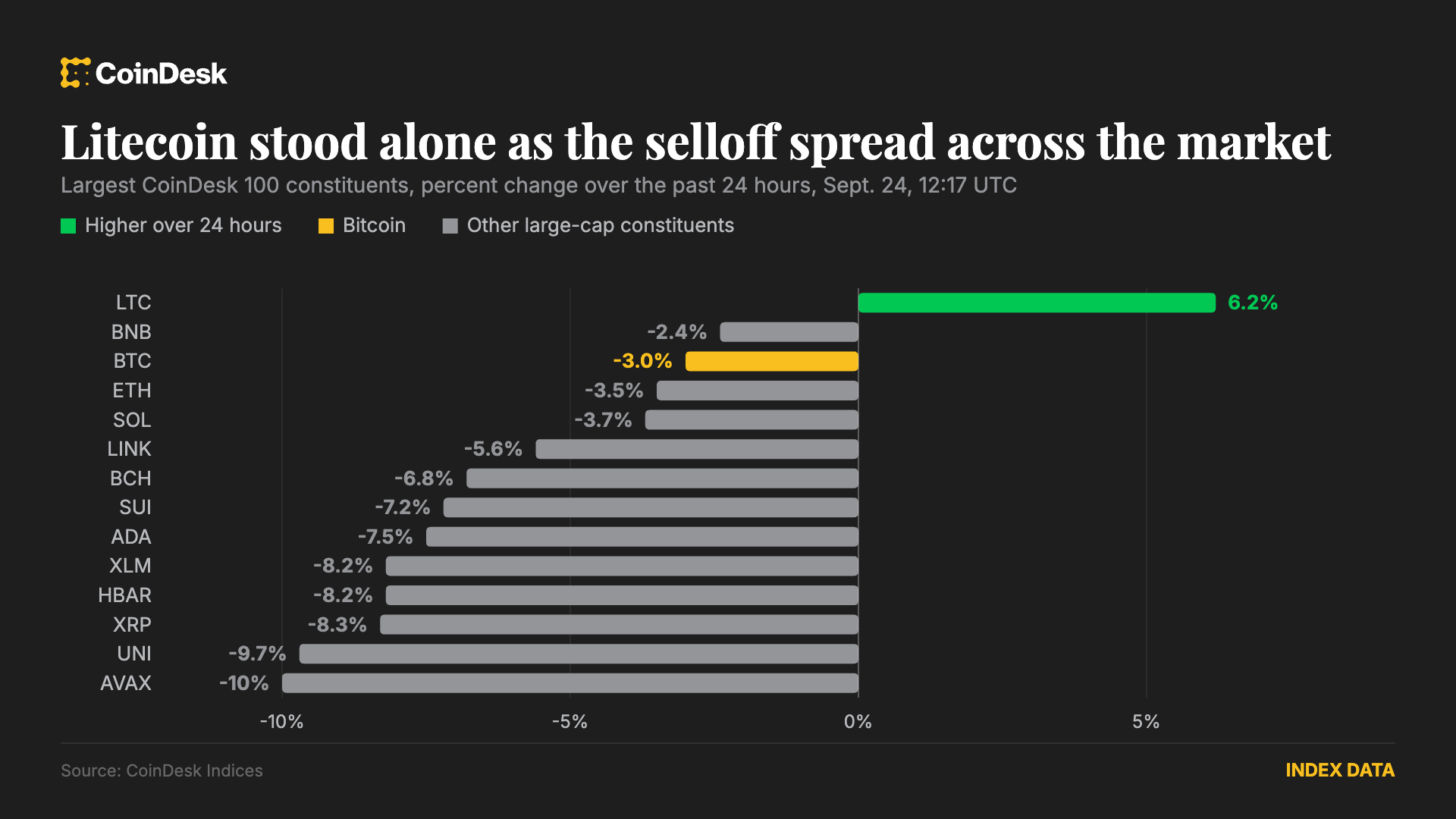
Risk assets are facing headwinds from higher yields and a strengthening dollar. The dollar index has climbed above 101, gaining 3% year-to-date. Bitcoin has fallen below $83,000 from a local high of $87,500, while gold remains just above $4,200, down 25% from its January all-time high. Government bond yields are also rising internationally, with pressure evident in France, Germany, the U.K., and Japan.
Currency markets have also shifted, with the Japanese yen weakening to 159 against the U.S. dollar, reversing much of its recovery from around 153 following reported U.S. and Japanese intervention last month.