Financial technology innovations are fundamentally altering how online casinos operate, with blockchain-based systems, smart contracts, and instant payment networks becoming central to industry operations. The shift reflects growing player demand for speed, transparency, and control over their funds.
Industry adoption metrics reveal the scale of this transformation. In 2024, over 45% of all online casino deposits globally used cryptocurrency or instant payment methods, up from 12% in 2020. Blockchain-based provably fair games processed 2.3 billion transactions in 2025, with an average settlement time of 1.8 seconds per bet. Smart contract casinos reduced operational costs by 38% in 2026 compared to traditional platforms. The global market for fintech-enabled gambling solutions reached $9.7 billion in early 2026, with projections showing a compound annual growth rate of 21% through 2030.
A 2025 survey of 10,000 active players found that 67% ranked withdrawal speed as their top priority, ahead of game variety and customer support. Regulated jurisdictions using blockchain-based audit trails cut dispute resolution times from an average of 14 days to just 2 days in 2026.
Smart Contracts Eliminate Payment Delays
Smart contracts represent the most disruptive innovation, with self-executing agreements coded directly onto blockchain networks automating payouts when conditions are met. These digital protocols remove intermediaries from transaction verification, allowing funds to be released instantly when game results are confirmed. Traditional casino systems require human verification and accounting review, while smart contract systems execute exactly as coded and allow both parties to verify outcomes on public blockchain explorers.
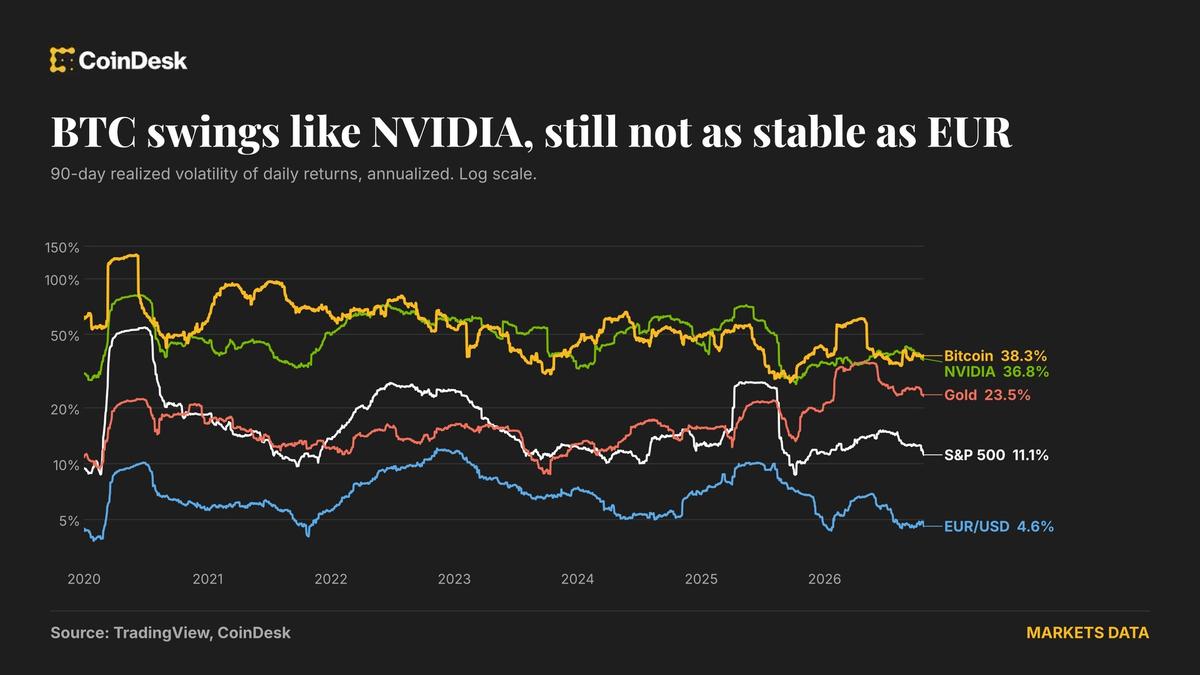
Some platforms employ hybrid models where fiat deposits convert to stablecoins for gameplay, then back to local currency for withdrawals, capturing the speed of cryptocurrency while avoiding volatility concerns.
Instant Withdrawals Reshape Player Behavior
Withdrawal times have compressed significantly through open banking APIs and real-time payment networks. European operators now integrate directly with banking systems, enabling transfers that complete in minutes rather than days. This speed shift transforms player confidence and retention, with casinos reporting higher retention rates and larger average deposits when players know funds are immediately accessible.
Decentralized Systems Improve Trust and Security
Blockchain technology enables provably fair systems where every game outcome generates a cryptographic hash that players can independently verify. Decentralized identity solutions reduce security risks by allowing players to maintain reusable identity credentials on their own devices rather than uploading sensitive documents to multiple platforms.
For operators, decentralized systems streamline onboarding and compliance through automated checks against blockchain-based registries that identify suspicious activity in real time.